
What to See in Albuquerque If You Only Have 48 Hours
Two days in Albuquerque is a short amount of time for a city with this much in it. You will not see everything. You will not eat everything. You will leave with a list of things you meant to get to and did not.
What you will see, if you use this guide, is the city that the people who live here actually experience — not the version assembled from tourism brochures and generic travel app recommendations. The petroglyphs at the hour when the light illuminates them correctly. The tram at the time of day when the city below you is beginning to light up. The breakfast burrito at the place where the green chile is made from actual green chile. The plaza in the hour when it communicates what 320 years of continuous use actually feels like.
2026 is a particularly exceptional year to visit. Route 66 turns 100 this year, and Albuquerque has 18 miles of it — the longest continuous urban stretch of the Mother Road in any American city. New murals, new installations, and the specific cultural energy of a city celebrating a centennial are running through the year from January to December.
"If you're visiting in 2026, you've picked a great year. This is the centennial of Route 66, and Albuquerque has the longest continuous urban stretch of the Mother Road in the country at 18 miles. There are celebrations, new art installations, and special events running throughout the year," confirmed FindingtheUniverse's 2026 Albuquerque travel guide. That centennial context applies to everything in this itinerary that touches Central Avenue — which is most of it.
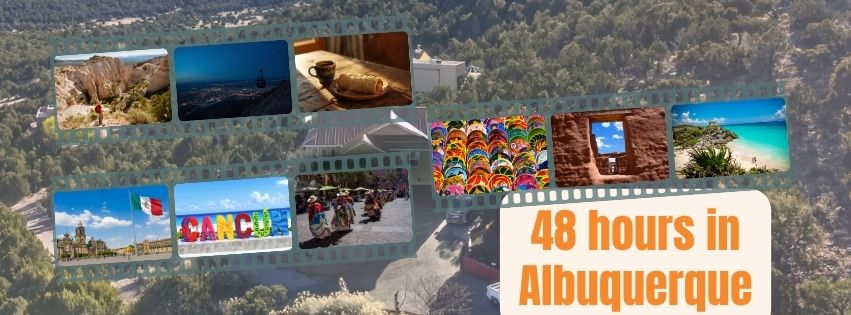
Here is how to spend 48 hours in Albuquerque correctly.
Before You Arrive — The Practical Setup
Where to Stay
The two best base locations for a 48-hour Albuquerque visit depend on what you are prioritizing.
Hotel Zazz in Nob Hill — along Route 66 on Central Avenue — is the most strategically positioned boutique hotel for visitors who want to walk out the door and be in the middle of Albuquerque's best restaurant and cultural corridor. It is described as a woman-owned, mother-daughter-designed boutique property with artsy vibes and direct access to Nob Hill's walkable scene. For visitors whose 48-hour itinerary is weighted toward food, culture, and walkable evening activity, Hotel Zazz's Nob Hill position is ideal.
Hotel Albuquerque at Old Town is the landmark choice for visitors whose itinerary is centered on the historical and cultural core. The property sits in the heart of Old Town and the Sawmill District — within walking distance of the museum cluster, the Old Town plaza, and the BioPark corridor. For visitors who want to minimize driving between major attractions, the Old Town position reduces the logistics overhead significantly.
The practical planning note that both hotels share: book as early as possible in October if your visit falls during Balloon Fiesta week. The entire city fills up, and rates at every property in every category spike significantly. Outside of Fiesta season, Albuquerque's hotel supply is sufficient to find quality accommodation without months of advance planning.
Getting Around
A car is necessary for a full 48-hour Albuquerque experience. The city's major attractions — the Petroglyph Monument, the Tramway, Old Town, and the Nob Hill corridor — are distributed across a geographic footprint that requires driving between destinations. Rental car from the Albuquerque Sunport (ABQ) is straightforward and parking at most attractions is either free or very inexpensive.
The exception: the Nob Hill evening corridor is walkable from hotels in that area, and the Old Town museum cluster is walkable from the Hotel Albuquerque. For those specific windows of the itinerary, the car can stay parked.
Day One — The Ancient, the Historical, and the Mountain
7:00am — Petroglyph National Monument at Sunrise
Start your first morning at the Petroglyph National Monument's Boca Negra Canyon or Rinconada Canyon unit — whichever matches your preferred intensity. Boca Negra is the more accessible option with paved trails and the highest concentration of easily visible petroglyphs. Rinconada is the longer, more atmospheric canyon walk with more space and more quiet.
The specific reason for the 7am arrival is the light. The volcanic basalt escarpment faces west, and the morning sun comes from behind — illuminating the petroglyphs in a low-angle light that makes the carved spirals and figures readable in ways that the flat midday sun flattens entirely. By 9am in summer, the rock is already radiating heat. At 7am, the desert is cool, the light is extraordinary, and the trails are empty.
What you are looking at: approximately 24,000 images carved into the black basalt escarpment over seven centuries by ancestral Puebloan people and early Spanish settlers. The monument protects 7,244 acres of volcanic landscape — including five extinct volcanic cones visible to the north — that is the specific geological and cultural record of this landscape's human history. It is free to enter at most units (Boca Negra charges a small day-use fee). Dogs on leash are welcome. Allow 90 minutes.
9:00am — Breakfast Burrito at the Frontier Restaurant
Drive from the monument to the Frontier Restaurant adjacent to the University of New Mexico campus. The Frontier is not a discovery — it is a 50-year-old institution serving New Mexican breakfast and lunch to a rotating democracy of students, professors, staff, and the occasional disoriented tourist who wandered in from Central Avenue. The painting of John Wayne watching over the dining room is original. The green chile stew is made fresh. The breakfast burrito — egg, potato, bacon and/or carne adovada, and covered in red, green, or Christmas (both) chile — is the most representative single item on the menu for a first-time New Mexican food encounter.
Eat in. Order the green chile stew alongside whatever else you get. The Frontier's specific quality of service — efficient, unpretentious, consistently staffed by people who have been working there for years — is itself a cultural experience. Budget $15 for a full breakfast including coffee.
10:30am — Old Town Albuquerque and the Museum Cluster
Drive to Old Town and spend the late morning in the museum cluster and the plaza. The specific sequence that most efficiently covers the Old Town cultural infrastructure:
First: the Indian Pueblo Cultural Center, slightly north of Old Town proper. Allow 90 minutes for the permanent collection, the courtyard, and the Indian Pueblo Kitchen lunch if the timing works. The center is owned and operated by the 19 Pueblos of New Mexico — the most important cultural institution for understanding what New Mexico actually is and has been for thousands of years before it was a state.
Then: the Old Town plaza itself. The San Felipe de Neri Church on the north side of the plaza has held services continuously since 1706. The adobe buildings surrounding the plaza are original or reconstructed in original materials. The courtyard of the Mission-era church grounds, visible from the plaza, has the specific quiet that active religious and civic spaces develop over centuries of continuous use.
The Plaza Don Luis shopping complex across from the church — artisan-owned boutiques carrying Southwestern pottery, jewelry, rugs, and collectibles — is the legitimate shopping option in Old Town. The turquoise is real. The prices reflect the work.
12:30pm — Lunch at Sawmill Market
Sawmill Market, New Mexico's first food hall, operates in the historic locomotive repair facility in the Sawmill District near Old Town. The collection of local vendors — covering New Mexican, Japanese, Filipino, Italian, farm-to-table, coffee, and dessert — gives visitors the most concentrated introduction to Albuquerque's food culture available in a single location. The outdoor courtyard on a spring or fall afternoon, with the Sandia Mountains visible to the east, is one of the more pleasant outdoor eating experiences in the city. Budget $20 to $30 for a full lunch.
2:00pm — The New Mexico Museum of Natural History and Explora!
The Old Town museum cluster is walkable from Sawmill Market. The New Mexico Museum of Natural History and Science — with its dinosaur collection and planetarium — is excellent for families and genuinely interesting for adults who approach the exhibits with curiosity rather than obligation. Explora!, the science center and children's museum immediately adjacent, is the better choice for visitors with children under 14. Budget 90 minutes to two hours across both.
4:30pm — Check In, Change, and Drive to the Tramway
Allow time to check into your hotel if you have not already, freshen up, and drive to the Sandia Peak Aerial Tramway base station on Tramway Road NE. Purchase tickets for the late-afternoon ascent — ideally the tram that arrives at the summit approximately 90 minutes before sunset. Book online in advance; the peak-hour trams fill up.
5:30pm — Sandia Peak at Sunset — The Best Evening in the City
The 2.7-mile, 15-minute ascent passes through four ecological life zones. At 10,378 feet, the view takes in over 11,000 square miles of New Mexico landscape. The city is 5,000 feet below you. The Rio Grande is visible as a silver line through the valley. The volcanic West Mesa stretches to the Jemez Mountains on the horizon.
The specific experience to seek: take the first tram to the summit, walk to the Crest viewpoint, and watch the light change on the mountains for 30 to 45 minutes before settling in at TEN3 — the summit restaurant and bar — for the actual sunset. The city below begins to light up before the sun sets, creating the brief window where you can see the full city illuminated against the darkening sky simultaneously with the last of the orange and amber above the western horizon. Order what the bar makes best. Stay until the city is fully lit. Take the tram down in the dark.
Practical: the summit runs 25-30 degrees cooler than the city. Bring a layer. TEN3 dinner reservations book weeks in advance for weekend evenings — the bar is walk-in. Round-trip tram tickets run approximately $35 per adult.
8:30pm — Dinner in Nob Hill
After the tram descent, drive to Nob Hill's Central Avenue for dinner. The timing works in your favor: the Route 66 neon is glowing, the restaurants are in full evening service, and the dinner-hour energy of Albuquerque's best dining corridor is at its peak.
Scalo Northern Italian Bar & Grill has been the anchor of serious dining in Nob Hill for over three decades — a reliable, quality Italian restaurant with a wine program that surprises visitors who do not expect this level of beverage care in a mid-sized Southwest city. Standard Diner, if you want the American version done right, is the alternative. Whatever the choice: budget 90 minutes and do not rush. This is the evening meal in the city's best neighborhood for food. Give it the time it deserves.
Day Two — Culture, Green Chile, and the Road That Made America
8:00am — Green Chile Breakfast at Mary and Tito's or Garcia's Kitchen
Day two begins with the New Mexican breakfast that most visitors describe as the meal they most want to recreate at home — and cannot, because the green chile does not exist in the same form anywhere else.
Mary and Tito's on 4th Street NW is the carne adovada standard — a family-run institution that has been making pork braised in red chile sauce since 1963 and has the James Beard America's Classics award to confirm that the rest of the country has noticed. The breakfast menu is extensive. The green chile is made from actual Hatch chile. The prices are honest. Arrive early — the restaurant fills quickly on weekend mornings.
Garcia's Kitchen, with multiple Albuquerque locations, is the more accessible neighborhood diner alternative for visitors who want the same food quality at slightly shorter wait times. The breakfast burrito here is the format that most Albuquerque residents grew up eating. Unpretentious, excellent, and specifically New Mexican in the way that matters: made by people for whom this food is daily life rather than a cultural performance for visitors.
10:00am — Indian Pueblo Cultural Center (If You Did Not Visit Yesterday)
If the Day One schedule did not allow for the Indian Pueblo Cultural Center, make it the first cultural stop of Day Two. This is not the second-choice version of Old Town. It is a separate and more important cultural experience — one that reframes everything else seen in New Mexico by providing the Pueblo perspective on a landscape that European settlers arrived in only 400 years ago, while the Pueblo people had been building sophisticated civilizations here for thousands of years before that.
The traditional dance performances on weekend mornings in the performance courtyard are the most immediately affecting experience at the center — the drumming, the dancers, and the communal cultural practice being maintained in real time produce a kind of emotional response that informational exhibits cannot. Allow two to three hours. The Indian Pueblo Kitchen serves traditional Pueblo food alongside contemporary dishes — the lunch here is worth staying for.
1:00pm — The Route 66 Centennial Drive and Nob Hill Exploration
In 2026, the Route 66 centennial makes the Central Avenue corridor specifically worth driving in both directions. Start at the KiMo Theatre — the 1927 Pueblo Deco building at 423 Central Ave NW whose architecture defies categorization and whose restored neon marquee is the most photographed facade in the city. "From beautiful hiking trails to modern museums, a weekend in the land of enchantment will inspire and delight travelers," confirmed the AAA Club Alliance 48 Hours in Albuquerque itinerary. The KiMo is the most concentrated single example of New Mexican cultural syncretism available anywhere in the city: a building that combines Navajo design elements, Pueblo pottery motifs, Art Deco commercial styling, and a specific New Mexico sensibility into something that exists nowhere else in the world.
Drive east on Central from the KiMo through Downtown and into Nob Hill — the full Route 66 urban experience in a single continuous drive. The new centennial murals installed throughout 2026 are visible along the corridor. The Dog House Drive-In on Central (open since the 1950s) is the appropriate chili dog stop if your appetite has recovered from the breakfast. The neon arches marking Nob Hill's entrance on either side of the corridor are the most recognizable Route 66 streetscape elements in Albuquerque.
Park in Nob Hill and walk the corridor from the eastern neon arch to the western one — approximately half a mile of independent restaurants, coffee shops, galleries, and boutiques. The Guild Cinema is the Route 66-adjacent independent movie theater that has been showing art and independent films in a classic commercial theater space for decades. Bookworks, on the neighborhood's western end, is the bookstore that matters in Albuquerque — the staff know what they are selling and the selection reflects genuine editorial judgment.
3:00pm — Casa Rondena Winery or the ABQ BioPark
The afternoon of Day Two is the variable in the itinerary — the stop that should be determined by who you are traveling with and what your afternoon energy calls for.
For couples or pairs of adults without children: Casa Rondena Winery in the North Valley. The Mission Revival architecture, the shaded courtyard of vines and pomegranate trees, the award-winning wine program producing from New Mexico-grown grapes, and the specific New Mexico afternoon of sitting in a beautiful courtyard with a glass of something made fifteen minutes away — this is the experience that the afternoon slot was made for. The tasting room is open daily without reservations. Allow two hours and no agenda.
For families with children: the ABQ BioPark. The combined zoo, aquarium, and botanical garden complex along the Rio Grande is genuinely excellent and genuinely large enough to accommodate a family afternoon without the sense of having seen everything too quickly. The aquarium's shark tank and stingray touch pool are the standard child-delight highlights. The botanical garden's Mediterranean biome greenhouse is the adult highlight. Budget three to four hours.
5:30pm — The Bosque Walk or the Albuquerque Museum
For visitors whose Day Two has trended toward the cultural and indoor, the late afternoon is the right time for a walk in the Rio Grande bosque — the cottonwood forest that lines the river through the city. The Paseo del Bosque Trail is the most accessible entry point, running 16 miles north to south through the bosque as a paved multi-use path. Any 45-minute stretch of this trail in the late afternoon, with the Sandia Mountains visible through the cottonwood canopy to the east and the Rio Grande audible to the west, provides the nature-balance that a culture-intensive day requires.
For visitors who want more indoor culture before dinner: the Albuquerque Museum of Art and History, anchored on the Old Town plaza, holds the most comprehensive permanent collection covering the city's history from Spanish colonial settlement to the present. The outdoor sculpture garden is free and accessible independently of the paid galleries. Both options can be done in under an hour if the remaining energy budget is limited.
7:30pm — Final Dinner at Scalo, El Pinto, or the Frontier (If You Must)
The final dinner of a 48-hour Albuquerque visit deserves a deliberate decision rather than a default. Three options, depending on what the trip has not yet delivered:
El Pinto in the North Valley — for the full New Mexican dining experience in a historic hacienda setting. The restaurant has been serving New Mexican cuisine in an adobe compound with traditional decor since 1962. The red and green chile are made in-house from New Mexico-grown chile. The setting — indoor rooms, covered portales, and outdoor courtyard — is the most complete traditional New Mexican restaurant experience available in the city. Book a reservation.
Scalo Northern Italian Bar & Grill in Nob Hill — if yesterday's Nob Hill dinner was a different choice and you want to experience the corridor's anchor restaurant. The wine list is the best in the neighborhood. The pasta is made in-house. The service is the kind that has been refined over three decades in the same location.
The Frontier Restaurant — if the Day One breakfast was extraordinary enough that you want one more green chile stew before the flight tomorrow. The Frontier is open late. It never disappoints. It costs $12.
Day Two Evening — The Route 66 Centennial Walk After Dark
If the dinner ends before 9pm and the energy remains, Central Avenue after dark in 2026 is worth a final hour of exploration before sleep. The combination of the restored neon signs, the new centennial murals, and the specific evening energy of an active urban restaurant and bar corridor at night — with the Sandia Mountains visible as a dark silhouette above the city lights to the east — is the specific Albuquerque sensory experience that photographs most consistently produce the reaction: "Wait, this is Albuquerque?"
Yes. This is Albuquerque. Park near the neon arch on the eastern end of Nob Hill and walk west. The light will find you. It always does in this city.
If You Have a Third Morning Before Your Flight
A flight home in the early afternoon rather than the early morning opens the possibility of a third morning activity — and the right choice depends on what the previous 48 hours delivered and what it left undone.
- The Sandia Crest Scenic Byway drive: Highway 536 from I-40 east to the Sandia Crest is a 13-mile mountain drive that takes approximately 90 minutes round trip and passes through five climatic zones. The views from the various pullouts and the summit are the east-facing version of the Sandia landscape — the Estancia Valley, the Manzano Mountains, and the specific limestone and granite geology of the range's eastern face. No tram required. No cost. Genuinely beautiful.
- The Turquoise Trail to Madrid: Highway 14 south through the Ortiz Mountains to the village of Madrid — an hour each way, with the morning gallery and coffee shop visit in the village before the drive back. Madrid's Mine Shaft Tavern has been in operation in various forms since the 1940s. The galleries carry work made within a few miles. The drive itself through the high desert and piñon forest is one of the better short road trips available in New Mexico.
- A final bosque walk: For visitors who did not make it to the Rio Grande on Day Two, a morning walk in the bosque before the airport is the low-effort, high-quality conclusion to any Albuquerque visit. The Paseo del Bosque is accessible from multiple points along the river. In October, the cottonwood color peak makes this the only choice.
The Things This Itinerary Does Not Include — And Why
Every 48-hour Albuquerque guide is a series of choices about what to leave out. The experiences not included here deserve a brief explanation so visitors who have heard about them can decide whether they change the itinerary.
Breaking Bad Locations
Albuquerque was the setting and filming location for Breaking Bad, and tours of filming locations are available and well-attended. The experience is genuinely enjoyable for fans of the show. It is not included in this itinerary because Albuquerque has 320 years of continuous history and a cultural heritage that significantly predates 2008, and because 48 hours is not enough time to do both the Breaking Bad tour and the things in this guide. If the show is the reason for the visit, the tours are easy to find and professionally run. If the city is the reason for the visit, prioritize accordingly.
The Albuquerque International Sunport Museum
The Sunport terminal houses a genuinely excellent collection of New Mexican art and traditional crafts in a free, publicly accessible museum that most passengers walk past without noticing. If the departure gate is reached with 30 spare minutes, a circuit of the terminal's art collection is one of the better airport experiences available in any American city. It does not require special planning — just arriving at the airport with time to look at what is already there.
For visitors who are finding that 48 hours is not enough and want to understand what a longer-term relationship with Albuquerque might look like, our ultimate Albuquerque bucket list for first-time visitors covers the extended version of what this city offers. And our post on why Albuquerque is one of the Southwest's most underrated travel destinations makes the case for a longer visit more fully than any 48-hour guide can.
The Bottom Line — 48 Hours Is Enough to Understand Why People Stay
Every city has a version of itself that reveals itself slowly and a version that reveals itself quickly. Albuquerque's quick version — the 48-hour version — is anchored in the petroglyphs at sunrise, the tram at sunset, the green chile breakfast that tastes like nowhere else, and the specific evening light on the Sandia Mountains that the Spanish named for watermelons because the color is that specific and that vivid.
These are not approximations of experiences available elsewhere. They are the real things, specific to this place, and they are available to a visitor who uses two days intelligently without needing to rush or overplan.
The Albuquerque Reveal — the moment when a visitor's assessment of the city shifts from positive to something like longing — happens at different points for different people. For some, it is the tram summit at sunset. For others, it is the first green chile that is genuinely and unambiguously excellent. For some, it is the petroglyph at 7am with no one else around. The common element in every version of the Reveal is the same: the city delivered more than they expected, and the expectation had not been low.
Come for 48 hours. See what the city shows you. Some visitors leave having had a wonderful trip. Some leave looking up flight prices for next October's Balloon Fiesta. A few leave doing both — and also looking at Albuquerque home prices, because the city got under their skin faster than they anticipated and the math started making itself obvious.
That is what 48 hours in Albuquerque can do. This guide is designed to make sure it does it for you.
Did Albuquerque Get Under Your Skin?
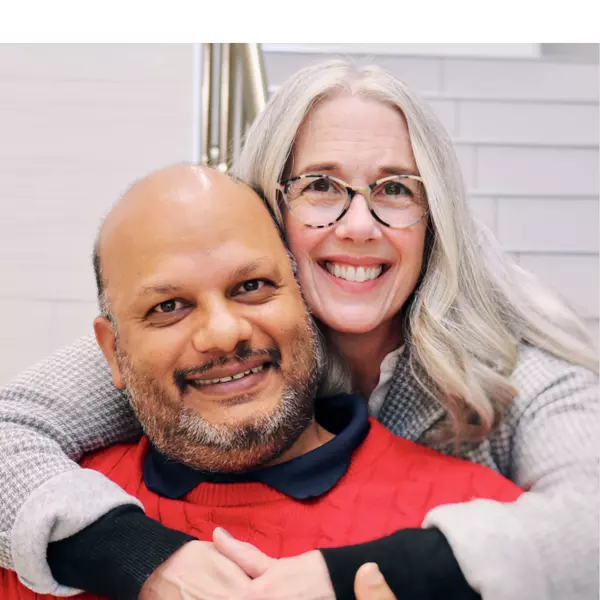
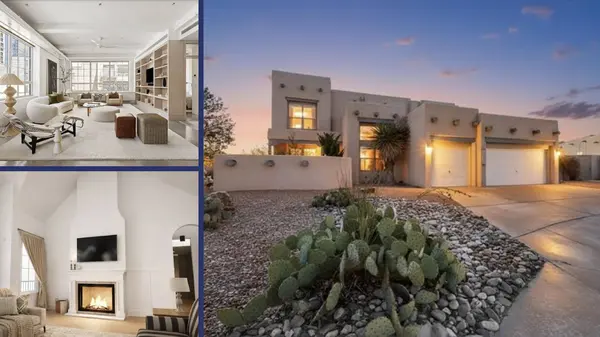
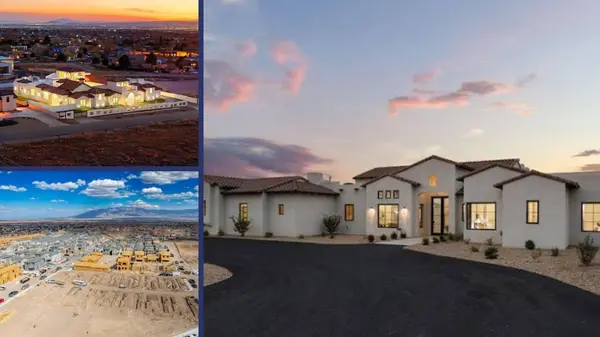
Jenn & Vinay from The Rodgers Neighborhood Real Estate Group help visitors who experienced the Albuquerque Reveal take the next step — from understanding which neighborhoods deliver the tram view as a daily commute backdrop to finding the homes that put the petroglyphs within a 10-minute morning walk. If the 48 hours worked the way this guide intended, the conversation about what living here could look like starts with a call.
Jenn & Vinay Rodgers are Albuquerque's trusted real estate professionals with The Rodgers Neighborhood Real Estate Group, brokered by Real Broker, LLC, serving buyers and sellers across Albuquerque, Rio Rancho, Corrales, Los Lunas, Tijeras, Cedar Crest, Sandia Park, the East Mountains, Bernalillo County, Sandoval County, and surrounding New Mexico communities.
The Rodgers Neighborhood Real Estate Group
Jenn & Vinay Rodgers
Real Broker, LLC
Albuquerque, NM
📞 505-417-2733
🏠 Browse Albuquerque homes near your favorite spotsCategories
- All Blogs (322)
- 2026 & Beyond for Real Estate (218)
- Doctors and Nurses looking for homes in NM (4)
- Guide to buying a home in NM (146)
- Health Care Heros (7)
- Home Upgrades (38)
- Jenn & Vinay your Local Real Estate Experts! (107)
- Moving to Albuquerque (127)
- Neighborhoods in Albuquerque NM (87)
- Rent or Own (2)
- Sellers Questions for Selling homes (2)
Recent Posts



GET MORE INFORMATION