

Living Near the Sandia Mountains: What It's Really Like
There is a moment that happens to nearly everyone who moves to one of Albuquerque's Sandia Mountain foothills neighborhoods. It happens sometime in the first few weeks, usually on a morning when they have stepped outside for no particular reason — to get the mail, to walk the dog, to carry something to the car — and the mountain is doing something with the light that makes them stop.
The light might be the pre-dawn glow that turns the granite a specific shade of rose before the sun clears the Crest. Or the late afternoon amber that the range catches when the sun is low and the sky west of the city is still bright. Or the specific pink-to-red transition that happens in perhaps 15 minutes on clear evenings and that the Spanish named the mountain for — sandia, watermelon — because the color is that precise.
Whatever the specific moment, the effect is consistent: the person standing outside stops moving and stands still for longer than they intended. And something changes in how they understand where they live.
"What consistently stands out about living near the Sandia Foothills is how it changes your relationship with your environment," confirmed the a leading Albuquerque market analysis. "In more central neighborhoods, outdoor time often feels like something you have to plan around your day. In the foothills, it becomes part of your day without much effort. The trails are right there. The sunsets feel closer. Even stepping outside for a few minutes in the evening has a different quality to it."
This guide covers what it is actually like to live near the Sandia Mountains — the specific neighborhoods where the mountain relationship is most immediate, the daily and seasonal rhythms that living at the mountain's base produces, the wildlife you will share the landscape with, and the honest trade-offs that foothills living requires. For buyers who are choosing a neighborhood with the Sandias as a primary criterion, this is the ground-level picture that listing descriptions do not provide.
The Sandia Mountains — A Brief Geography
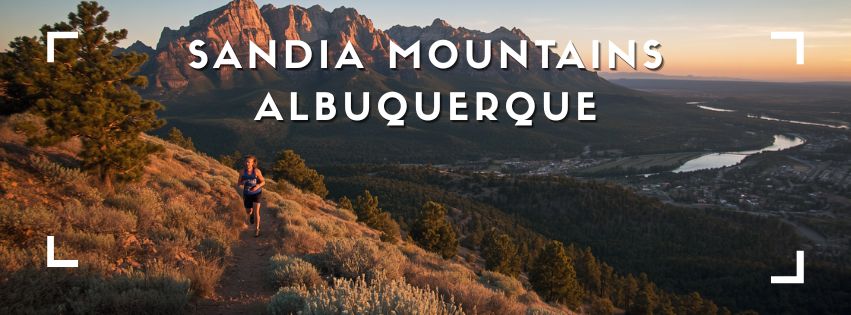
The Sandia Mountains are a fault-block range running approximately 17 miles north to south along Albuquerque's eastern edge. The range rises from the city floor at approximately 5,300 feet to Sandia Crest at 10,378 feet — a vertical relief of over 5,000 feet in a horizontal distance of roughly four miles. That ratio of vertical rise to horizontal distance is what produces the mountain's dramatic visual presence from the city: it does not recede gently into the distance but rises abruptly, filling the eastern sky from neighborhoods at its base.
The western face — the face visible from Albuquerque and from the foothills neighborhoods — is composed of Precambrian granite and gneiss, among the oldest exposed rock in New Mexico. The pink color of the granite in certain light conditions is the literal source of the mountain's name. The Cibola National Forest and the Sandia Mountain Wilderness designation protect 37,236 acres of the range from development, ensuring that the foothills neighborhoods' eastern view corridors will not be compromised by future construction regardless of what happens to the surrounding urban development.
The eastern face of the Sandia Mountains — accessible via the Sandia Crest Scenic Byway from Highway 14 — is a different geological and ecological world: limestone rather than granite, the Estancia Valley and the Manzano Mountains visible to the east, and the specific character of the range's rain-shadow eastern slope that produces the Tijeras and Cedar Crest communities discussed later in this guide.
The West Face Neighborhoods — Living at the Mountain's Feet
Sandia Heights — Inside the Mountain, Not Just Near It
Price range: $400,000 to $2.5 million+ | Elevation: 5,800 to 7,000 feet
Sandia Heights is the neighborhood where the Sandia Mountains relationship is most physically immediate — not a view from a distance, but a daily existence on the mountain's actual western face. "Sandia Heights is a beautiful area, nestled at the base of the majestic Sandia Mountains across 1,600 acres of some of the most breathtaking terrain in New Mexico," confirmed the a leading Albuquerque market source Sandia Heights community guide. "Living in Sandia Heights means embracing the outdoors in ways most neighborhoods can't offer. The iconic Sandia Peak Tramway, visible from nearly every property, serves as both a dramatic visual landmark and a recreational gateway — locals with season passes can ride up for sunset dinners at the summit restaurant or access world-class hiking and skiing without the long drive around the mountain."
The elevation differential is the first thing new Sandia Heights residents notice in the summer: when the Albuquerque valley floor is 95 degrees, Sandia Heights is 85 to 88 degrees. The 1,200-to-1,700-foot elevation advantage produces a temperature differential that makes outdoor evening living in August genuinely comfortable rather than aspirational. For buyers from coastal markets who love Albuquerque but have concerns about summer heat, Sandia Heights specifically addresses that concern through geography.
The wildlife at Sandia Heights is a daily reality rather than an occasional encounter. Mule deer move through residential streets on their routes between the developed neighborhood and the wilderness above. Black bear sightings are not uncommon during fall, when bears range widely before hibernation. Coyotes are heard nightly. Wild turkey appear in small groups on the larger residential lots. The specific wildlife character of living at the mountain's edge — sharing the landscape with animals whose territory predates the neighborhood — is one of the features that Sandia Heights residents most consistently describe as defining their daily experience.
The Tramway is the practical expression of the mountain relationship: Sandia Heights residents with season passes can ascend to the 10,378-foot summit in 15 minutes from a base station that is within 10 minutes of most Sandia Heights addresses. Sunset hikes, morning runs at alpine elevation, and winter snowshoeing are all accessible as casual activities rather than planned expeditions.
The trade-offs: Sandia Heights' access roads are steep and require capable vehicles in winter snow conditions. The same elevation that produces summer coolness adds winter driving friction. The mountain terrain limits the flat walking and cycling that more valley-floor neighborhoods provide. And the distance from the commercial density of the Northeast Heights commercial corridor — while only 15 to 20 minutes by car — requires planning that valley-floor residents do not.
Best for: buyers whose primary lifestyle criterion is the most immediate possible relationship with the Sandia Mountains; outdoor enthusiasts for whom trail access from the front door is the defining quality-of-life feature; buyers who want the mountain view as a constant daily presence rather than a background feature.
High Desert — The Foothills Premium Address
Price range: upper $400,000s to $3.5 million+ | Elevation: 5,500 to 6,200 feet
High Desert offers the Sandia Mountain relationship in a more architecturally refined and community-structured context than Sandia Heights — a master-planned community with 40% permanent protected open space, architectural design standards that preserve view corridors, and the National Forest wilderness boundary as its eastern edge.
"High Desert is consistently ranked among the most desirable places to live because it offers a refined foothills lifestyle with thoughtful planning and long-term value. Located along the Sandia Mountains, High Desert features custom and semi-custom homes, scenic open space, and architectural standards that preserve the" landscape character," confirmed the a leading Albuquerque real estate guide. The 40% permanent protected open space — which includes the wildlife corridors connecting the neighborhood to the Cibola National Forest — means that the view corridors and the natural landscape character that make High Desert premium are protected by the community's own development controls rather than dependent on the absence of future development.
The High Desert relationship with the Sandia Mountains is mediated by the community's planning rather than by direct mountain-face proximity. Homes sit at the National Forest boundary or within a few blocks of it, with trails connecting the residential streets to the wilderness within a 5-to-10-minute walk. The mountain is visible as a dramatic eastern backdrop from most of the community, but the experience is of looking at the mountain from its base rather than being on its face as in Sandia Heights.
The 65% appreciation over 15 years that High Desert has produced is the investment-grade expression of what the permanent wilderness adjacency means in market terms over time. The buyers who are in High Desert are not there only for the mountain view — they are there because the mountain's permanent wilderness neighbor status is the structural feature that sustains long-term value regardless of what happens in the broader market.
Best for: buyers who want the premium foothills experience within a well-planned, architecturally governed community; long-horizon buyers who are purchasing against the permanent structural advantage of National Forest adjacency; families who want the La Cueva school zone combined with the most immediate trail access available in the corridor.
North Albuquerque Acres — Mountain Views Without HOA Governance
Price range: $400,000 to $4 million+ | Elevation: 5,400 to 5,800 feet
North Albuquerque Acres offers the Sandia Mountain backdrop experience in the most architecturally free context available in the foothills corridor — no HOA, no design review, no restrictions on how to configure the home, the yard, or the accessory structures on the 0.75-to-1-acre lots that define the neighborhood.
The mountain views from North Albuquerque Acres are unobstructed in the eastern direction from most residential lots — the Sandia range is visible at the close range that the foothills position produces, from lots that provide the space to design a home's orientation around capturing that view completely. The absence of HOA architecture standards means that custom homes in this neighborhood are specifically designed for their specific lot's view orientation rather than built to a template.
The wildlife presence is consistent — coyotes, roadrunners, quail, and occasionally deer move through the neighborhood's larger lots. The foothills trail system is accessible via a short drive to the Elena Gallegos or other trailhead access points. The specific combination of large-lot privacy, mountain views, and no-HOA freedom makes North Albuquerque Acres uniquely appealing to buyers who want the mountain relationship without the community governance that Sandia Heights and High Desert entail.
Best for: buyers who want mountain views and large-lot scale in a no-HOA environment; custom home builders who want to design their mountain relationship into the architecture specifically; buyers who value individual autonomy over community governance.
Glenwood Hills — The Foothills Neighborhood Most Families Do Not Know About
Price range: $350,000 to $800,000 | Character: Established family neighborhood, Albuquerque Academy adjacent
Glenwood Hills is the foothills neighborhood that appears on few buyer radar screens until an agent specifically mentions it — and consistently earns high resident satisfaction once discovered. Surrounded by the Bear Canyon open space to the north and the Sandia foothills trail system to the east, Glenwood Hills provides the foothills lifestyle access in an established family neighborhood whose resident stability and school quality are specific advantages.
The Albuquerque Academy — consistently New Mexico's highest-ranked private high school — is adjacent to Glenwood Hills, providing private school access that no other foothills neighborhood can match for proximity. The Highpoint Sports and Wellness center serves the neighborhood with fitness and family programming. The neighborhood's mix of ranches, townhomes, and Spanish Revival-style homes produces the architectural variety that gives established neighborhoods their visual character.
The Bear Canyon Open Space immediately to the north of Glenwood Hills provides direct trail access that connects to the broader foothills system. For families whose outdoor lifestyle priority is more hike-focused than elevation-seeking, Glenwood Hills provides the trail access without the Sandia Heights elevation and winter driving complexity.
Best for: families who want foothills trail access, Albuquerque Academy proximity, and established neighborhood character at a price point below High Desert and North Albuquerque Acres.
The East Mountain Communities — Living on the Other Side
The Sandia Mountains have another side — and the communities on that eastern face offer a fundamentally different version of the mountain relationship than the west-face foothills neighborhoods.
Tijeras, Cedar Crest, and Sandia Park — Forest Living in the Mountain Corridor
Price range: $250,000 to $1.5 million+ | Elevation: 5,800 to 7,000 feet | Commute: 20 to 35 minutes via I-40
The East Mountain communities in the Tijeras Canyon corridor sit in the ponderosa pine forest of the Sandia Mountains' eastern and southern reaches — a setting that produces a completely different daily experience from the west-face foothills neighborhoods. You are not at the base of the mountain looking up at it. You are in it.
The forest character of Tijeras, Cedar Crest, and Sandia Park is the defining feature that no Albuquerque city neighborhood can replicate. Ponderosa pine is the dominant species at the lower elevations, giving way to mixed conifer and aspen at higher elevations. Wildlife is more abundant and more diverse than in the west-face foothills: black bear, mule deer, wild turkey, coyote, and the specific bird community of the mountain forest (Steller's jay, western tanager, mountain chickadee) are daily presences rather than occasional sightings.
The Paa-Ko Golf Club community in the Sandia Park corridor provides the specific combination of golf community living and mountain forest setting that no west-face neighborhood can match — the course winds through the ponderosa forest at 6,500 feet elevation, with views across the Estancia Valley to the east and the Manzano Mountains beyond.
The honest trade-off: the East Mountain communities are 20 to 35 minutes from Albuquerque's employment and service infrastructure via I-40 through Tijeras Canyon. Winter driving in the canyon requires capable vehicles and attention to road conditions. Rural utilities (well and septic) are standard. These are the functional costs of the most complete mountain forest living experience available within reasonable metro access range of Albuquerque.
Best for: buyers who specifically want to live in the mountain forest rather than adjacent to it; remote workers and retirees whose daily life does not depend on frequent Albuquerque access; outdoor enthusiasts for whom the East Mountain trail system — including the Paa-Ko Ridge Golf Club trail networks and the East Mountain hiking trails connecting to the Sandia Crest — is the primary daily recreation resource.
The Daily Reality of Mountain Living — What No One Tells You Before You Move
The Weather Is Different Near the Mountain
The Sandia Mountains create their own microclimate in the surrounding foothills and East Mountain communities, and the weather at the mountain's base is meaningfully different from the valley floor in ways that affect daily life.
Summer afternoons: the mountains generate afternoon convective activity that produces the monsoon thunderstorms that roll over the Crest and across the foothills from approximately 3pm to 7pm from July through September. Residents of the foothills communities experience these storms as dramatic visual events — lightning on the Crest visible from the living room window, rain arriving abruptly and clearing equally abruptly, the specific ozone smell of desert rain after a dry June. The storms are rarely dangerous if you are not on an exposed ridge, but they are dramatically present in a way that valley-floor residents experience less directly.
Winter: snow falls on the Sandia Crest reliably every year — Ski Santa Fe and Sandia Peak ski area both operate on the range — and the foothills neighborhoods see occasional snow that the valley floor does not. Sandia Heights and the higher East Mountain communities see materially more winter snow than the valley, and the access roads require the preparation that winter mountain driving everywhere requires. First-time New Mexico residents who come from snowless climates sometimes underestimate this; experienced foothills residents factor it into their vehicle and tire choices matter-of-factly.
Wildlife Is Your Neighbor — Literally
The specific wildlife community of the Sandia Mountain foothills is one of the lifestyle features that most residents name as unexpectedly important to their daily experience — and that most buyers do not fully anticipate before moving in.
Mule deer are the most frequently encountered large mammals in the west-face foothills neighborhoods. They move through residential lots on their established routes between the mountain and the lower terrain, with a regularity that produces the specific experience of watching three deer graze your backyard while drinking morning coffee. They are not afraid of people in the specific way that truly wild deer are — they are accustomed to suburban presence, which makes them approachable without being domesticated.
Coyotes are heard rather than seen in most cases — their evening calling is one of the defining ambient sounds of foothills nights. Roadrunners are resident year-round at the lower foothills elevations and are frequently seen on residential streets. Javelinas (collared peccaries) appear in the southwestern foothills on some properties. Raptors — red-tailed hawks, Cooper's hawks, great horned owls — are daily presences.
Black bears are present in the mountains and occasionally enter foothills neighborhoods during fall when they are ranging widely before hibernation. The New Mexico Game & Fish Department's standard guidance applies: secure trash cans, do not leave pet food outside, and understand that the bear's presence in your yard is normal mountain-adjacency wildlife behavior rather than a safety emergency. Most foothills residents see a bear in their yard a handful of times over the years of mountain living.
The Trail Access Changes How You Use Your Time
The most consistently reported quality-of-life shift among buyers who move to Sandia Mountain foothills neighborhoods from other parts of Albuquerque or from other cities is the change in how outdoor time is used — specifically, the shift from outdoor recreation as a planned activity to outdoor recreation as a default behavior.
In a non-foothills neighborhood, going for a trail run or a mountain hike requires decision-making: which trail, how to get there, where to park, how long it will take to drive to the trailhead. In a foothills neighborhood, the trail starts within a 5-to-10-minute walk from the front door. The decision-making overhead disappears, and outdoor time expands to fill the space that the overhead used to occupy. Residents consistently report spending more time outdoors — not because they planned to or because they set a goal, but because the barrier dropped low enough that going for a morning hike became as casual as going for a walk.
This shift in outdoor behavior patterns is the most fundamental quality-of-life change that foothills living produces — and it is the change that most residents describe as the thing they would be most reluctant to give up if they moved. The mountain is not just a view. It is a daily resource that changes how you live.
The Seasons Define Foothills Life in Ways the Valley Does Not Experience
Living near the Sandia Mountains makes the seasons visible in ways that valley-floor living mutes. The mountain tracks time differently from the city below.
Spring arrives on the mountain weeks after it arrives in the valley — the foothills greening up from the desert floor while the higher elevations still carry snow. The specific pale green of new growth against the still-gray upper mountain is a color palette that exists nowhere else in the Albuquerque visual environment.
Summer monsoon season transforms the mountain into the most visually active object in the city's landscape — daily thunderstorm development over the Crest visible from any foothills address, the specific quality of the light during and after storms that photographers specifically seek in August.
Autumn on the Sandia Mountains is the most dramatically visible seasonal transition in the Albuquerque year. The aspen groves on the upper mountain turn in late September and early October — visible from the city as gold patches on the granite slopes — while the cottonwoods in the bosque below turn simultaneously, producing the specific double-layer fall color display that defines October in Albuquerque. From the foothills neighborhoods, both the mountain aspens and the bosque cottonwoods are visible in the same view.
Winter snow on the Crest is visible from the city for most of the season — the specific white line of the Crest snowfield against the blue sky on clear winter days is the marker that tells every Albuquerque resident that winter has arrived in a way that the valley-floor temperature alone does not communicate.
The Neighborhoods — Matched to Mountain Relationship Priorities
The summary framework for buyers who are choosing a neighborhood based primarily on the Sandia Mountain relationship:
- Most immediate mountain presence, on the mountain's face: Sandia Heights. Elevation, wildlife, Tramway access from the property vicinity, winter snow.
- Premium foothills with community planning and permanent wilderness adjacency: High Desert. Trail access, architectural governance, 65% 15-year appreciation.
- Mountain views with no-HOA freedom on large lots: North Albuquerque Acres. Largest lots within city limits, complete design freedom.
- Family foothills with private school access: Glenwood Hills. Albuquerque Academy adjacent, Bear Canyon trail access, established community.
- Living inside the mountain forest, eastern face: Tijeras, Cedar Crest, Sandia Park. Ponderosa pine, Paa-Ko Golf Club option, 20-35 min Albuquerque access.
For buyers who want to understand how the Sandia Mountain foothills neighborhoods compare on specific criteria — safety, school quality, appreciation trajectory — our post on why luxury buyers are focusing on NE Heights and Sandia Heights covers the structural value drivers in depth. And our guide to best Albuquerque neighborhoods for luxury custom homes covers the lot and build opportunities in each foothills community for buyers who want to commission a home that responds to their specific mountain view orientation.
The Bottom Line — The Mountain Changes What Home Means
The buyers who choose Albuquerque's Sandia Mountain foothills neighborhoods consistently describe their decision with a specific vocabulary: they did not just buy a house. They bought a relationship with the mountain.
That relationship changes how they use their time. It changes how they understand their health, their routine, their daily environment. It changes what home means — from a place to return to after the day's activities to a place that is itself an activity, a landscape, a living relationship with one of the most dramatic natural features adjacent to any American city.
The Sandia Mountains are not a selling point. They are not a view that commands a premium in a listing description. They are a daily companion that foothills residents describe with genuine affection — the mountain that turns pink at sunset, that carries snow in winter, that generates its own weather, that shares its territory with deer and bear and coyote, that rises 5,000 feet from the city floor to an alpine summit accessible in 15 minutes on a cable car.
Living near the Sandia Mountains is choosing a specific daily life. The neighborhoods in this guide are where that choice is most completely available.
Ready to Find Your Home Near the Sandia Mountains?
Jenn & Vinay from The Rodgers Neighborhood Real Estate Group know the Sandia Mountain foothills neighborhoods at the lot and street level — which Sandia Heights addresses have the most immediate mountain presence, which High Desert properties have the most complete wilderness boundary adjacency, and which East Mountain properties combine forest living with the internet infrastructure that remote workers require. If the mountain is the reason you are looking at Albuquerque, the conversation starts with a call.
Jenn & Vinay Rodgers are Albuquerque's trusted real estate professionals with The Rodgers Neighborhood Real Estate Group, brokered by Real Broker, LLC, serving buyers and sellers across Albuquerque, Rio Rancho, Corrales, Los Lunas, Tijeras, Cedar Crest, Sandia Park, the East Mountains, Bernalillo County, Sandoval County, and surrounding New Mexico communities.
The Rodgers Neighborhood Real Estate Group
Jenn & Vinay Rodgers
Real Broker, LLC
Albuquerque, NM
📞 505-417-2733
🏠 Browse homes near the Sandia Mountains
Categories
- All Blogs (324)
- 2026 & Beyond for Real Estate (220)
- Doctors and Nurses looking for homes in NM (4)
- Guide to buying a home in NM (146)
- Health Care Heros (7)
- Home Upgrades (38)
- Jenn & Vinay your Local Real Estate Experts! (108)
- Moving to Albuquerque (128)
- Neighborhoods in Albuquerque NM (87)
- Rent or Own (2)
- Sellers Questions for Selling homes (2)
Recent Posts





GET MORE INFORMATION