
What is it really like living in Albuquerque?
Honestly? Living in Albuquerque is unlike living anywhere else in the country.
Most people who move here say the same thing: it took about three to six months before it really clicked. The landscape, the culture, the pace of life—all of it feels different from what most transplants expect. And once it clicks, most people do not want to leave.
If you are thinking about moving to Albuquerque—or you are trying to decide if it is the right city for you—this guide gives you the real picture. Not the tourism version. The day-to-day version.
Why This Question Matters for Home Buyers and Movers
Albuquerque is one of the most searched cities for relocation in the Southwest right now. In 2026, buyers are moving here from California, Texas, Colorado, and states across the country—drawn by lower home prices, more space, and a lifestyle that is hard to replicate.
But Albuquerque is not for everyone. The right fit matters. And the people who thrive here are usually the ones who understood what they were getting into before they arrived.
That is exactly what this guide covers.
The honest pros of living in Albuquerque
1. The cost of living is genuinely lower
Compared to most Western metros, Albuquerque is still very affordable. Home prices, groceries, utilities, and everyday expenses run significantly lower than in cities like Denver, Phoenix, or Los Angeles.
For buyers coming from high-cost markets, the difference is often striking. The same budget that buys a modest condo in California can buy a spacious four-bedroom home in Albuquerque with a yard and a mountain view.
2. The weather is one of the best-kept secrets in the Southwest
Albuquerque averages more than 310 days of sunshine per year. That is not a marketing line—it is one of the sunniest climates in the entire country.
Winters are mild by most standards. Snow typically melts within a day or two. Summers are warm but not as brutal as Phoenix because Albuquerque sits at 5,312 feet of elevation. The monsoon season in July and August brings dramatic afternoon thunderstorms that most residents genuinely enjoy.
The four seasons are real here—but none of them are extreme.
3. Outdoor access is exceptional
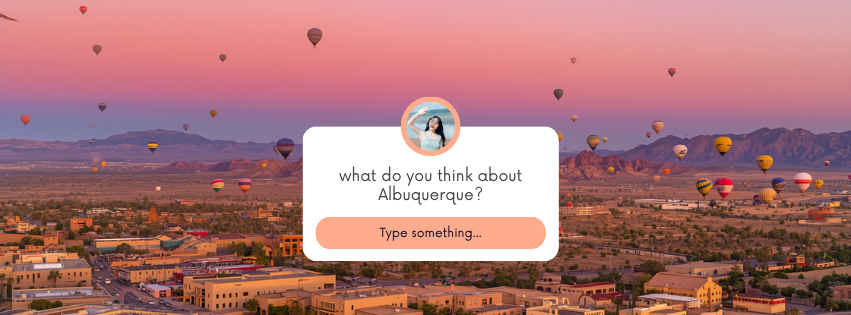
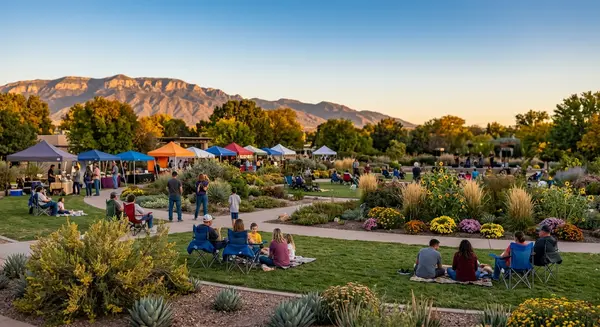
The Sandia Mountains rise more than 10,000 feet above the city's east side. Hiking, mountain biking, skiing, and climbing are all within 30 to 45 minutes of most neighborhoods.
The Rio Grande runs through the city. Bosque trail systems, open space preserves, and multiple state and national parks are all nearby. The City of Albuquerque maintains over 29,000 acres of protected open space within city limits alone. For people who want an outdoor-centered lifestyle, Albuquerque offers access that most bigger cities cannot.
4. The culture is genuinely unique
Albuquerque is one of the few major American cities where Native American, Hispanic, and Anglo cultures are woven deeply into daily life. The food, art, architecture, festivals, and community traditions reflect that history in a way that feels authentic rather than performative.
Old Town Albuquerque, the Balloon Fiesta, the International Flamenco Festival, the green chile harvest season—these are not tourist attractions. They are part of the local calendar that residents participate in every year.
5. The city is less crowded than most comparable metros
Traffic in Albuquerque rarely reaches the levels people come from in larger metros. Commutes are manageable. The airport is easy to get to. Parking is not a daily struggle.
For people leaving dense cities, the breathing room that Albuquerque offers is one of the most frequently mentioned quality-of-life improvements.
The honest cons of living in Albuquerque
1. Crime is a real concern in certain areas
This is the thing most relocation guides dance around. Albuquerque has higher property crime rates than the national average, and certain neighborhoods have had persistent challenges with vehicle theft and property-related offenses.
The key word is certain neighborhoods. Albuquerque is not uniformly dangerous—it is geographically uneven. Northeast Heights, Ventana Ranch, Taylor Ranch, and North Albuquerque Acres consistently rank among the safer residential areas. If you want a deeper breakdown, our guide to the
The key word is certain neighborhoods. Albuquerque is not uniformly dangerous—it is geographically uneven. For a full breakdown of which areas are the safest and best suited for families, read our guide to the best neighborhoods in Albuquerque for families. Where you live matters significantly.
Most long-term residents adapt their habits and take reasonable precautions. But buyers should go in with clear eyes about this.
2. The job market is more limited than larger metros
Albuquerque's economy is anchored by government, healthcare, higher education, and military. Kirtland Air Force Base, Sandia National Laboratories, the University of New Mexico, and Presbyterian Healthcare are among the largest employers.
For certain industries—especially tech, finance, and corporate sectors—the job market is thinner than in Denver, Phoenix, or Dallas. Remote workers and retirees tend to make the transition more easily than people who need to find local employment in specialized fields.
3. Some services and amenities lag behind larger cities
Albuquerque does not have the same density of high-end restaurants, entertainment options, or specialty retail you find in a city of two or three million. For some people, that is a dealbreaker. For others, it is exactly the point.
That said, the city has grown considerably, and the food scene in particular has improved dramatically over the past several years.
4. The altitude and dryness are an adjustment
At more than 5,300 feet above sea level, Albuquerque's altitude affects some people significantly during the first few weeks. Dehydration, dry skin, and higher sun intensity are all real. Most people adapt within a month, but it is worth knowing going in.
What daily life actually looks like
Most Albuquerque residents describe their day-to-day life as low-stress and highly livable once they are settled in.
A typical weekday might involve a short commute, a lunch run to a local green chile spot, an evening hike or bike ride, and dinner at home with food from one of the many local farms or the Saturday farmers market.
Weekends often include outdoor activities, a visit to the Bosque, the farmers market, a local festival or art market, or a drive up to Santa Fe—which is only about an hour north and offers its own distinct character and amenities.
People who move here from coastal cities often say the pace feels slower in the best possible way. The relationships feel more real. The landscape feels grounding. The city does not feel like it is constantly trying to impress you.
What most people do not tell you before you move
A few things that come up consistently from people who have relocated to Albuquerque:
- The green chile question is not optional. When someone asks if you want red or green on your food, you need to have a preference. This is a cultural institution.
- The sun is more intense than it looks. Even on mild days, sunscreen matters at this altitude.
- The city is bigger than it feels on a map. Driving from one end to the other can take 30 to 40 minutes. Choosing the right neighborhood relative to your work and daily routine matters more than it might seem.
- The wind in spring is real. March and April bring strong winds that some people find difficult. Most long-timers barely notice anymore.
- The balloon fiesta is genuinely magical. Even people who live here for 20 years still go every year.
Who thrives in Albuquerque
Based on what we see working with buyers and residents across Albuquerque, the people who tend to love living here most are:
- outdoor enthusiasts who want year-round access to trails, skiing, and open space,
- remote workers who can bring their income with them,
- retirees looking for affordable, sunny, low-maintenance living,
- buyers priced out of higher-cost Western metros,
- people who value culture, history, and community over nightlife and density,
- families who want space, good schools in the right neighborhoods, and a manageable cost of living.
Who might struggle
Albuquerque is not the right fit for everyone. People who tend to find the adjustment harder include:
- those who need a deep, specialized job market in tech, finance, or corporate sectors,
- people who rely heavily on walkability and public transit,
- buyers who want the density, energy, and amenity levels of a major metro,
- anyone who is not comfortable adapting their personal security habits.
The bottom line
Living in Albuquerque is genuinely good—but it asks something of you. It asks you to adjust to a different pace, a different culture, and a different set of priorities.
For most people who make the move, it turns out to be one of the best decisions they have made. The lifestyle, the landscape, the affordability, and the community tend to deliver something that is very hard to find in most American cities right now.
The key is going in with a clear picture of both sides—which is exactly what this guide is here to give you.
If you are thinking about making the move to Albuquerque, Vinay Rodgers and the Rodgers Neighborhood Real Estate Group are here to help you find the right neighborhood and the right home. Call or text (505) 417-2733
Categories
- All Blogs (362)
- 2026 & Beyond for Real Estate (256)
- Doctors and Nurses looking for homes in NM (4)
- Guide to buying a home in NM (160)
- Health Care Heros (7)
- Home Upgrades (42)
- Jenn & Vinay your Local Real Estate Experts! (124)
- Moving to Albuquerque (139)
- Neighborhoods in Albuquerque NM (94)
- Rent or Own (2)
- Sellers Questions for Selling homes (2)
Recent Posts




GET MORE INFORMATION