

The biggest mistakes Albuquerque home sellers make
The Biggest Mistakes Albuquerque Home Sellers Make — And What They Actually Cost
Why 2026 Is the Year These Mistakes Cost the Most
The Albuquerque market has shifted in ways that amplify the consequences of seller errors in ways the last few years did not.
We are transitioning out of the extreme, overheated seller's market of 2021–2023. Home prices are stabilizing. Sales are slowing. Buyers finally have breathing room — and they are using it to compare carefully, negotiate deliberately, and walk away from anything that does not feel right.
The median home in Albuquerque spent 55 days on the market in April 2026 — three days longer than the national pace, and slowing more than twice as fast year over year. 18.1% of active listings carried a price reduction — above the national rate of 16.7%.
New construction is quietly shaping the resale market. Builders are offering rate buydowns, closing cost credits, and upgraded finishes as standard incentives. Resale sellers must compete on realistic pricing, strong condition, and standout presentation from day one — or lose buyers to a builder who made it easy to say yes.
That is the environment. It is not a bad market for sellers who are prepared. It is a punishing one for sellers who are not. Here is where the damage happens.

The Mistakes That Cost Albuquerque Sellers the Most
Pricing the Home Based on Hope Instead of Data
This is the mistake that starts the chain reaction that ends in expired listings, price reductions, and net proceeds below what the seller would have accepted on day ten if they had known what month three would look like.
One of the biggest mistakes sellers make is assuming they can test the market. In 2026, that strategy backfires. Homes that feel misaligned with value are being skipped within the first seven to ten days on market.
Here is what testing the market actually produces in Albuquerque right now. A home lists at $395,000 when the comparable sales data supports $365,000. The first week generates a few online views and one showing from a buyer who had already decided the price was too high before they arrived. Week two is quieter. By week three the listing has developed the market stigma that attaches to any home that has been sitting — buyers start wondering what is wrong with it, why it has not sold, what the seller is hiding or what the inspection will find.
A home that starts too high often ends up selling for less than it would have if it were positioned correctly from day one. The overpriced listing chases the market down — taking price reductions that each signal distress, attracting increasingly skeptical buyers, and ultimately accepting an offer at a price the seller would have refused in week one.
The average Albuquerque home sells for about 2% below list price. Hot homes — those priced correctly from the start — sell for around list price and go pending in 15 days. The difference between those two outcomes on a $375,000 home is $7,500 in sale price. Add in an additional two months of mortgage payments, taxes, insurance, and carrying costs, and the total cost of the overpricing strategy can easily reach $12,000 to $18,000. That is the price of testing the market in 2026 Albuquerque.
The fix is straightforward but requires ego discipline: price from the comparable sales data, not from what you need the home to be worth, what your neighbor sold for in 2022, or what Zillow's automated estimate suggests. Zillow's Zestimate is a national algorithm. Your home is on a specific street in a specific Albuquerque neighborhood with specific comps that tell its specific story. A good local agent builds the price from those comps — and that price is the one that generates activity.
Confusing "Lived In" With "Ready to Show"
Every seller has lived in their home. That is the problem.
When you have occupied a space for five, ten, or twenty years, you stop seeing it the way a buyer sees it walking through for the first time. The scuff on the baseboard by the back door has been there so long it has become invisible to you. The cabinet door that does not quite close all the way is just part of how the kitchen works. The bold paint color in the dining room that you chose fifteen years ago still feels like home to you — and feels like a project to every buyer who walks through.
Buyers notice everything. That wobbly doorknob, the outdated light fixture, the scuffed baseboard — they all add up and make a home seem less cared for than it really is. When buyers walk into a home and the first impression forms, it is not just about big features like kitchens and bathrooms. It is about how the home feels overall. If the space feels worn down or neglected, even in small ways, that changes buyers' perception immediately and affects how much they are willing to offer.
What buyers in Albuquerque are looking for is not a fully remodeled home. They are looking for something that feels clean, well maintained, and easy to move into. Most sellers do not need a full renovation. They need fresh paint in neutral tones, repaired or replaced hardware, addressed minor deferred maintenance, and a level of decluttering and depersonalization that allows a buyer to mentally move in.
The sellers who skip this step consistently lose money — not through a single visible price negotiation, but through lower offers from buyers who priced the perceived work into their number, and through longer time on market that compounds every carrying cost the seller is paying while the listing sits.
The specific items that matter most in Albuquerque homes: exterior paint and stucco condition, since curb appeal is the first impression and Albuquerque's high desert sun is hard on exterior surfaces; the condition of the swamp cooler or HVAC system, because buyers in New Mexico ask about cooling immediately; and the front entry, which buyers have formed an opinion about before they ever step inside. These are not expensive fixes. They are the fixes that signal to a buyer that this home has been cared for — and that signal is worth more than the cost of the repairs in almost every case.
Over-Investing in the Wrong Pre-Sale Renovations
The other side of the preparation mistake is spending too much in the wrong places — and this one is more expensive than most sellers realize until it is too late to recover the cost.
One of the most common mistakes sellers make is investing in large-scale renovations that do not necessarily translate into a higher sale price. A full kitchen remodel can be expensive, and while it may improve the look of the home, it does not always guarantee a return that justifies the cost. In many cases, buyers would have preferred a slightly lower price and the opportunity to design the space themselves. Sellers who choose very specific finishes or styles during a remodel often limit their pool of interested buyers if the style does not resonate broadly.
The Albuquerque market in 2026 has a specific dynamic that makes this worse: builders are competing against resale homes with new construction incentives and brand-new finishes across multiple price points. A seller who spends $45,000 remodeling a kitchen is competing against a new construction home where the buyer chooses their own finishes. The remodel does not win that competition — it just costs $45,000.
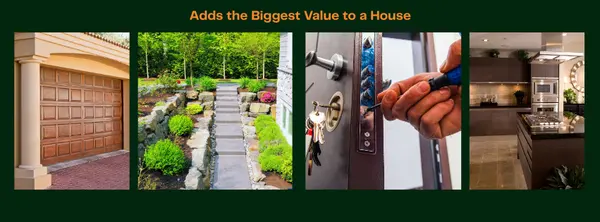
The projects that consistently return value in the Albuquerque resale market are targeted and modest: fresh paint in neutral, current colors throughout the home, updated lighting fixtures that read as contemporary rather than dated, landscaping improvements that address curb appeal without large-scale redesign, carpet cleaning or replacement in worn areas, and professional deep cleaning that makes the home feel genuinely cared for rather than hastily prepared.
The decision framework is simple: before spending money on any pre-sale improvement, ask your agent whether the specific expenditure will return more than its cost in sale price or days-on-market improvement. If the answer is no or uncertain, redirect that money toward the items that do.
Treating the First Offer Like a Opening Low-Ball Rather Than Market Feedback
This is the mistake that is hardest to talk a seller out of in real time — because in the moment, the emotional logic is powerful. The first offer comes in below asking. The seller feels disrespected. They reject it without countering, or counter at a number that signals they are not serious about negotiating. The buyer moves on.
Three weeks later, the seller would take that offer. Four weeks later, they would take less than that offer. They do not, because by that point the buyer is gone.
Sellers who held the line too firmly on price in 2026 frequently ended up with outcomes worse than the offer they rejected. The market is giving buyers breathing room they have not had in years — and buyers who feel disrespected in early negotiation simply move on to the next home rather than escalating.
The first offer a home receives carries real intelligence about how the market perceives the listing's value at its current price and condition. An offer that comes in 5% below asking is not necessarily a low-ball — it may be a buyer who has done their homework, knows the comps, and is making a reasonable opening position. The appropriate response is a thoughtful counter that invites continued negotiation, not a rejection that ends it.
Even the nicest Albuquerque homes in 2026 are seeing buyers ask for help with closing costs or other concessions. Planning for this reality in advance — rather than treating every concession request as an insult — allows sellers to negotiate from a position of clarity rather than emotion.
The sellers who net the most in this market are the ones who enter negotiation as a strategic conversation, not a test of who respects the home's value more. Every offer is an opening, not a verdict.
The Concession Conversation Sellers Are Not Having Early Enough
37% of home sales in Albuquerque in the fourth quarter of 2025 involved some form of seller concession — credits, rate buydowns, or closing cost contributions. That number is not a sign of market weakness. It is a sign of market intelligence. A seller credit that funds a buyer's rate buydown can close a deal that a straight price reduction cannot — because it addresses the buyer's monthly payment concern more efficiently than reducing the purchase price by the same dollar amount.
Sellers who know this going into negotiation can offer strategic concessions that close deals while protecting more of their sale price. Sellers who do not know this either refuse all concessions and lose buyers, or offer straight price cuts that cost more than a well-structured credit would have.
Choosing the Agent Who Promised the Highest List Price
This one has a name in the industry: buying a listing. And it is as common in Albuquerque as it is everywhere.
The dynamic works like this: a seller interviews three agents. Two agents present comparable sales data and recommend a list price of $380,000. The third agent says they can get $420,000. The seller, naturally, lists with the third agent.
Some sellers choose a friend or relative without local experience — or they pick the agent who promises the highest price. That often leads to frustration, missed opportunities, and longer time on the market.
What the third agent knew, and the seller did not, is that no agent controls what a home sells for. The market controls what a home sells for. An agent who promises a price that is not supported by current comparable sales data is either inexperienced or is deliberately flattering the seller to win the listing — with the plan to recommend price reductions after the overpriced listing fails to generate offers.
The questions to ask when interviewing agents are not "what can you list my home for?" They are: "Show me the comparable sales data that supports your recommended list price." "What is your average list-to-sale ratio over the last twelve months?" "What is your average days on market compared to the Albuquerque market average?" "What specific marketing will you execute in the first two weeks after listing?"
An agent who can answer those questions with documented evidence is an agent building a pricing recommendation on data. An agent who leads with a high number and can not show you the comps that support it is an agent whose incentive is getting the listing, not getting the sale.
Underestimating What Buyers Can See — and Smell — Before the Inspection
Buyers walk into a home with the entire range of their senses engaged, and they are forming an opinion about condition, maintenance history, and potential hidden problems well before any inspector sets foot in the door.
The smell of a home is the first thing a buyer registers and often the last thing a seller notices — because after years of living in a space, the olfactory system simply stops detecting what is familiar. Pet odors, cooking odors, musty smell from a basement or attic, or the specific smell of an older HVAC system running through decade-old ductwork all register immediately to a buyer who just walked in from outside. Sellers who address these before listing create an immediate positive impression. Sellers who do not give buyers a visceral, instinctive concern before a single room has been evaluated.
Buyers in Albuquerque are looking for a home that feels clean, well maintained, and easy to move into. The combination of professional deep cleaning, odor remediation, neutralized décor, and addressed minor repairs creates a home that buyers describe as move-in ready — which translates directly to stronger offers and shorter negotiation on inspection findings.
In Albuquerque specifically, the things buyers are visually scanning for beyond standard cosmetic condition include: stucco cracking patterns that suggest foundation movement rather than normal settling, moisture staining on ceilings or around window frames that hints at roof or flashing issues, evidence of swamp cooler leakage or rust staining on interior walls beneath the unit, and the condition of flat roof sections visible from the second floor or from the backyard. These are items that show up in Albuquerque inspections with enough regularity that buyers who have done their homework are looking for them before they ever schedule one.
Going Dark After Accepting an Offer
The accepted offer is not the finish line. In New Mexico's current contract environment, it is the beginning of the most legally and financially consequential phase of the transaction — and sellers who disengage after accepting are the ones who get blindsided by what comes next.
The 2026 New Mexico purchase agreement has more structure, more deadlines, and more potential consequences if buyers, sellers, or even brokers miss a step. What looks like an innocent oversight can become a terminated contract, lost earnest money, or a closing delayed by federal compliance issues.
The inspection period in New Mexico is a critical window. The buyer's inspector will find something — every inspector finds something, in every home, always. The seller who is engaged with their agent during the inspection period, who understands which findings are material and which are normal for a home of this age and type in this climate, and who has thought through their response strategy in advance, negotiates from a position of clarity. The seller who is checked out and delegates everything to their agent responds reactively — and reactive negotiation almost always produces worse outcomes than strategic preparation.
Disclosure obligations under New Mexico law are specific and non-negotiable. Known material defects must be disclosed. A seller who becomes aware of something during the transaction and does not disclose it is not just risking the current deal — they are creating potential post-closing legal exposure that can outlast the transaction by years.
The sellers who close successfully are the ones who stay engaged, stay in communication with their agent, and treat the period between accepted offer and closing date as a managed process rather than a waiting room.
The Pattern Underneath Every Mistake
Read these seven mistakes carefully and a single thread runs through all of them: they are the product of a seller who has more emotional investment in the outcome than market knowledge about the process.
That is not a character flaw. It is completely understandable. A home is not just an asset — it is the place where a family lived, where memories were made, where money was invested over years. The emotional attachment is real and legitimate.
But emotion that goes unmanaged in a real estate transaction costs money. The seller who prices based on what they need to net rather than what the market supports, who rejects the first offer because it felt disrespectful, who spent $40,000 on renovations that the market will not return, who chose the agent with the highest price rather than the most honest analysis — all of them were making emotionally reasonable decisions that the market does not reward.
The antidote is a trusted agent who will tell you what you need to hear before you list — not what you want to hear — and who has the market knowledge and the relationship with you to deliver that honesty in a way that actually lands.
For a full picture of what the current Albuquerque market means for your timeline and pricing strategy, our Albuquerque home seller strategy guide walks through every stage of the selling process in detail. And if you want to understand exactly how the first two weeks after listing determine the entire trajectory of your sale, our post on why some Albuquerque homes sell in days while others sit for months covers that dynamic completely.
The Bottom Line — These Mistakes Are Avoidable
Every mistake in this post has been made by a smart, well-intentioned seller who simply did not have the right information at the right moment.
That is exactly what the right agent changes.
Jenn & Vinay from The Rodgers Neighborhood Real Estate Group will walk through your home, tell you what buyers will see that you have stopped seeing, show you the comparable sales data that your price must be anchored to, and build a marketing and launch strategy that makes the most of the first two weeks — when the market is paying the most attention to your listing.
We will also tell you when the first offer you receive is a good one worth countering seriously, and when the concession a buyer is asking for is a reasonable cost of doing business in the current market. That counsel — delivered honestly, in the moment, when it matters — is what separates sellers who close well from sellers who spend six weeks wondering what went wrong.
📞 (505) 417-2733 | rodgersvj@gmail.com 🏠 See what's currently selling in Albuquerque
Categories
- All Blogs (362)
- 2026 & Beyond for Real Estate (256)
- Doctors and Nurses looking for homes in NM (4)
- Guide to buying a home in NM (160)
- Health Care Heros (7)
- Home Upgrades (42)
- Jenn & Vinay your Local Real Estate Experts! (124)
- Moving to Albuquerque (139)
- Neighborhoods in Albuquerque NM (94)
- Rent or Own (2)
- Sellers Questions for Selling homes (2)
Recent Posts





GET MORE INFORMATION