
Things to do in Albuquerque New Mexico
Things to Do in Albuquerque New Mexico: The Honest Local Guide for 2026
Most guides to Albuquerque lead with the Balloon Fiesta, mention Old Town, and call it done.
That undersells the city by a significant margin.
Albuquerque is one of the most genuinely livable cities in the Southwest — not just to visit, but to actually inhabit day after day. The outdoor lifestyle here is extraordinary. The food culture is unlike anywhere else in the country. The arts scene punches above its weight. The history goes back centuries in ways that are still physically present in the landscape and architecture. And in 2026 specifically, the city is in the middle of one of its most exciting years in recent memory — with the Route 66 centennial bringing a wave of new art, events, and energy to Central Avenue that will not happen again in our lifetimes.
This guide is written for the person who is thinking about moving to Albuquerque — who wants to know what their weekends will actually look like, not just what the tourism board highlights. Every activity in here is something Jenn and Vinay recommend to clients considering a move to this city. All of it is the reason people who move here almost never leave.
The One Thing You Absolutely Cannot Skip — The International Balloon Fiesta
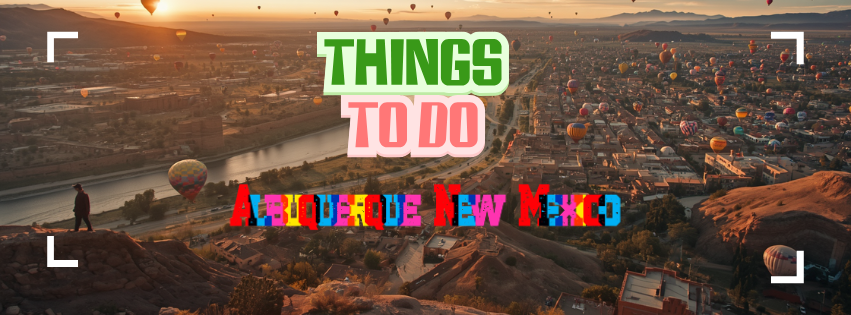
Let's lead with the obvious one and earn the right to tell you everything else. The ExxonMobil Albuquerque International Balloon Fiesta runs October 3–11, 2026, and it is genuinely one of the most spectacular events in the world.
Over 500 hot air balloons — including approximately 100 special shape balloons — lift off from Balloon Fiesta Park in coordinated mass ascensions that fill the New Mexico sky with color against a backdrop of the Sandia Mountains. The 2026 event is themed "The Scenic Route" in commemoration of Route 66's centennial year, making it a uniquely significant edition of the world's largest international ballooning event.
The Albuquerque Box is the meteorological phenomenon that makes all of it possible — a unique layered wind pattern created by the Rio Grande Valley's geography that allows balloon pilots to take off and land from the same location, a feat nearly impossible anywhere else in the world. When the Box is working on a crisp October morning and the Dawn Patrol launches before sunrise to test the winds, followed by a mass ascension of hundreds of balloons rising in waves as the Sandia Mountains catch the first light — there is nothing else quite like it.
Practical notes: General admission tickets run $15 per person per session. Gondola Club passes start at $75 and sell out months in advance. Book your accommodations at least six months ahead — hotel prices during Fiesta week are significantly elevated and availability is limited across the city. Arrive by 5am on mass ascension days to avoid traffic. Dress in layers — October mornings near the Rio Grande are often near freezing, warming quickly as the sun rises.
The evening Balloon Glows, where tethered balloons illuminate the night in synchronized bursts of color, are just as magical as the morning launches. Do not skip them.
Outdoor Albuquerque — The Part That Surprises Every New Resident
People who move to Albuquerque from other cities consistently describe the same experience: they thought they understood what "outdoor access" meant, and then they moved here and realized they had no idea.
The Sandia Peak Tramway
The Sandia Peak Aerial Tramway is the longest aerial tram in the United States — a 2.7-mile ride from the city's eastern edge to the 10,378-foot summit of Sandia Crest. The ascent takes approximately 15 minutes each way and passes through four distinct life zones, from Chihuahuan desert scrub at the base to alpine meadow and mixed conifer forest at the top.
What makes it extraordinary for residents — not just visitors — is that the summit is accessible year-round and offers a genuinely different experience every season. In summer, the Crest is 25 to 30 degrees cooler than the city below, making it the most accessible high-altitude escape in the region. In winter, Sandia Peak Ski Area operates on the east face, and the tram provides one of the most dramatic ski-access routes anywhere in New Mexico. At sunset on a clear evening, watching the light change across the Rio Grande valley from 10,000 feet is one of the most consistently beautiful things available in any American city.
Petroglyph National Monument
Petroglyph National Monument protects approximately 24,000 petroglyphs carved into the West Mesa's volcanic escarpment by ancestral Puebloan people and early Spanish settlers over a period spanning several centuries. The monument sits on the western edge of Albuquerque — what feels like a suburban neighborhood on one side transitions immediately into one of the most significant archaeological sites in the American Southwest on the other.
The Boca Negra Canyon, Rinconada Canyon, and Piedras Marcadas Canyon units each offer different hiking experiences through the basalt field, with petroglyphs ranging from simple geometric patterns to complex animal figures and cultural symbols. Entry fees are minimal and trails range from accessible paved paths to more rugged scrambles among the volcanic rocks. For residents of the Westside neighborhoods — Ventana Ranch, Volcano Cliffs, Taylor Ranch — the monument is essentially a backyard trail system.
Sandia Mountain Wilderness and Trail System
The Cibola National Forest and Sandia Mountain Wilderness area encompasses more than 37,000 acres of protected land immediately east of the city — accessible from multiple trailheads that start within residential neighborhoods and connect to hundreds of miles of backcountry trails. The La Luz Trail climbs from the mountain's west face to the Crest, a 9-mile roundtrip that is one of the most challenging and most rewarding hikes in New Mexico. The Pino Trail, Elena Gallegos Picnic Area, and the Bear Canyon trail system offer more accessible options for residents who want a two-hour morning hike before work.
For mountain bikers, the Foothills Trail System provides miles of singletrack within minutes of the Northeast Heights neighborhoods. The combination of 310+ days of sunshine and immediate trail access makes Albuquerque one of the best cities in the country for year-round outdoor recreation.
The Rio Grande Bosque and Paseo del Bosque Trail
The bosque — the riparian cottonwood forest that lines the Rio Grande through Albuquerque — is one of the city's most underappreciated assets and one of the things longtime residents most consistently cite as something they would miss if they ever left. The Paseo del Bosque Trail is a paved multi-use path running approximately 16 miles through the bosque, connecting neighborhoods on both sides of the city in a continuous car-free corridor shaded by ancient cottonwood trees.
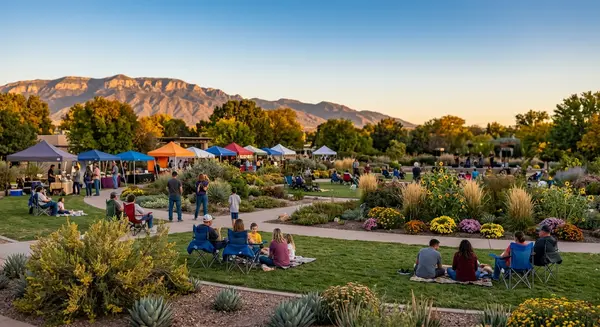
In autumn, when the cottonwoods turn gold in late October and early November — around the same time as the Balloon Fiesta — the bosque becomes one of the most beautiful places in New Mexico. The Rio Grande Nature Center State Park, a 38-acre preserve within the bosque, is home to more than 300 bird species along the Rio Grande flyway and provides one of the best urban birdwatching experiences anywhere in the Southwest.
Culture and History — 300 Years of It, Physically Present
Old Town Albuquerque
Old Town is the original settlement of Albuquerque, established by Spanish colonists in 1706 around the Plaza de Armas. Unlike many American "old towns" that have been sanitized into tourist-only spaces, Old Town Albuquerque maintains a genuine living character — the historic San Felipe de Neri Church still holds services, local artisans sell authentic handmade jewelry and pottery from curbside stands, and the winding narrow streets around the plaza contain galleries, restaurants, and shops that reflect the city's layered cultural identity rather than performing it for visitors.
The Albuquerque Museum of Art and History — anchored on the Old Town plaza — covers the city's 300-year history from Spanish colonial settlement through the present, with a permanent collection that includes significant New Mexican art alongside rotating exhibitions that consistently bring nationally significant shows to the city.
Indian Pueblo Cultural Center
The Indian Pueblo Cultural Center, owned and operated by the 19 Pueblos of New Mexico, is one of the most important cultural institutions in the American Southwest and one of the most genuinely moving museums in the state. The center tells the history of the Pueblo people through their own voices — through exhibits, traditional dance performances, and craft demonstrations that connect visitors to a continuous cultural tradition stretching back thousands of years.
For people relocating to Albuquerque from other parts of the country, the Indian Pueblo Cultural Center is often a transformative experience — the first encounter with the depth of indigenous presence in New Mexico that fundamentally recontextualizes the city and the region. It is not a peripheral cultural attraction. It is central to understanding what Albuquerque is and how it came to be.
Route 66 — The Centennial Celebration Running All Year
2026 is the centennial of Route 66, and Albuquerque is celebrating in a way that reflects the city's 18-mile stretch of the Mother Road — the longest continuous urban stretch of Route 66 anywhere in the country. New murals and art installations have been going up along Central Avenue throughout the year. The Route 66 Summerfest in Nob Hill runs as a recurring event through the warmer months. Restored neon signs glow along the Central Avenue corridor from the West Side through Downtown and into Nob Hill, creating one of the most photographically rewarding night drives in the Southwest.
The 66 Diner on Central Avenue — a faithfully restored 1950s diner with checkered floors, chrome accents, and green chile cheeseburgers that have been feeding Albuquerque residents for decades — is the essential Route 66 meal. The Dog House Drive-In, a hot dog stand that has been serving chili dogs on Central Avenue for over 60 years, is the essential Route 66 institution. Both are legitimately good food, not tourist gimmicks.
Food and Drink — Green Chile Is Not Optional
Albuquerque's food culture is built on green chile. If you are moving here from a state where green chile is an ingredient rather than a way of life, the adjustment takes approximately two weeks — at which point you will begin to understand why New Mexicans who leave the state have green chile shipped to them.
The New Mexico green chile season peaks in late August and September, when roasters set up on street corners and in parking lots across the city and the smell of roasting green chile fills entire neighborhoods. This is not a small cultural moment. It is one of the defining sensory experiences of Albuquerque autumn.
The Food Scene Worth Knowing
- Sawmill Market — New Mexico's first food hall, anchored in the Sawmill District near Old Town. Local vendors across multiple culinary styles under one roof, with an outdoor social space that animates on warm evenings. The most concentrated expression of Albuquerque's current food scene in a single location.
- Nob Hill Dining Corridor — Central Avenue between Carlisle and Washington contains Albuquerque's most walkable restaurant concentration. From long-standing New Mexican institutions to newer farm-to-table concepts to excellent coffee and craft cocktail bars, this is the neighborhood that most closely approximates a walkable urban dining district.
- Craft Beer Scene — Albuquerque has developed one of the most active craft brewing communities in the Southwest. Marble Brewery, La Cumbre Brewing, Nexus Brewery, and Bosque Brewing are among the most established operations, each with taprooms that have become genuine community gathering spaces.
- Golden Crown Panadería — A family-owned bakery in Old Town that has been producing green chile bread, biscochitos, and empanadas for decades. The green chile bread alone is worth the visit. The biscochito — New Mexico's official state cookie — is the right thing to bring to any gathering in this city.
The Essential Albuquerque Food Experience
Every person who moves to Albuquerque needs to master one question: "red or green?" It refers to which chile sauce you want on your food — red chile, earthy and smoky, or green chile, bright and often spicy. The correct answer for the uninitiated is "Christmas" — which means both. Order everything Christmas for your first three months until you develop a preference.
The breakfast burrito — a flour tortilla filled with egg, potato, meat, and chile — is the working meal of Albuquerque. Available at every diner, every drive-through, and every gas station worth visiting. The Balloon Fiesta vendors make a version that many people describe as one of the better things they have ever eaten in the early morning hours of an October dawn.
Arts, Culture, and Entertainment — More Than You Expect
Museums Worth Your Time
- New Mexico Museum of Natural History and Science — Extensive exhibits on dinosaurs, fossils, and New Mexico's geological and natural history, plus a planetarium and giant-screen theater.
- National Hispanic Cultural Center — World-class performing arts venue and visual arts museum celebrating Latino heritage, anchored in Barelas with a stunning art collection and regular performances.
- Explora Science Center and Children's Museum — Hands-on science exploration for families with children, consistently cited as one of the best children's museums in the region.
- ABQ BioPark — The combined zoo, botanic garden, aquarium, and Tingley Beach complex along the Rio Grande is one of the best urban park systems in the Southwest. The BioPark Zoo alone is one of New Mexico's most visited attractions.
Performing Arts and Live Entertainment
The KiMo Theatre on Central Avenue is one of Albuquerque's most architecturally distinctive buildings — a 1927 Pueblo Deco cinema converted into a performing arts venue with ornate details that blend Native American and Art Deco motifs in a way found nowhere else in the world. Catching a performance here — whatever the show — is worth it for the building alone.
Popejoy Hall at the University of New Mexico brings Broadway touring productions, orchestras, and global performers to a 2,000-seat venue with acoustics that rival concert halls in larger cities. The Isleta Amphitheater and Sandia Resort and Casino both host major touring acts in outdoor and arena-scale settings that take advantage of the New Mexico climate during warmer months.
2026 Is a Particularly Good Year to Explore Albuquerque
Two things make 2026 an unusually good year to experience Albuquerque specifically.
The first is the Route 66 centennial. The Mother Road turns 100 in 2026, and Albuquerque — with its 18-mile stretch of the original alignment — is at the center of the national celebration. New public art, restored signage, special events, and a citywide focus on the cultural heritage of Central Avenue are running throughout the year and are unlikely to be replicated at this scale for another generation.
The second is the Balloon Fiesta's 54th edition, themed "The Scenic Route" specifically in honor of Route 66's centennial. The convergence of these two anniversaries in the same year means the October Balloon Fiesta in 2026 will be among the most intentionally significant editions of the event in its history, with over 500 balloons, a centennial-themed special shape collection, and celebrations that extend beyond the park into the city's neighborhoods.
What Living Here Actually Means — The Lifestyle Picture
This is the section that matters most for the person who is not just visiting Albuquerque but considering making it home.
A typical weekend for an Albuquerque resident who has settled into the city looks something like this: Saturday morning hike on the Foothills trails before the heat builds, coffee from a Nob Hill café on the way home, afternoon exploring a gallery opening or visiting the farmers market at the Rail Yards, dinner at a green chile restaurant with friends. Sunday morning is for the bosque trail or a drive up the Sandia Crest Highway. In October, it is Balloon Fiesta, and the whole rhythm of the city shifts around the spectacle in the sky.
That life is available at a price point — and at a pace — that is genuinely difficult to replicate in other Sun Belt cities. The median home price in Albuquerque sits around $365,000 as of 2026, 16% below the national average. The outdoor lifestyle that costs membership fees and driving distance in other cities is free and immediate here. The cultural institutions are accessible and affordable.
The people who love Albuquerque tend to love it with a specific intensity. It is the kind of city that does not perform for newcomers — it reveals itself over time, neighborhood by neighborhood, season by season, green chile by green chile. The people who move here and stay almost universally describe the same arc: skeptical, then curious, then unable to imagine living anywhere else.
If you are seriously considering a move to Albuquerque and want to understand which neighborhoods offer the best combination of lifestyle, safety, schools, and value, our guide to Albuquerque neighborhoods covers every major area in the city in depth. And when you are ready to start exploring what homes are available in the neighborhoods that fit your life, browse current Albuquerque listings to get a real picture of the market.
The Bottom Line — This City Has More Than You Think
Albuquerque is not a city that sells itself easily. It does not have the obvious polish of Scottsdale or the brand recognition of Denver. What it has is something more durable: genuine character, extraordinary natural setting, a food culture that is entirely its own, and an outdoor lifestyle that is available at all hours from virtually every neighborhood in the city.
The things to do in Albuquerque are not a list of attractions to check off. They are a way of life that builds up over years — the morning hike that becomes a daily ritual, the green chile that becomes the baseline for all subsequent food, the October when the balloons rise over the Sandias and remind you exactly why you moved here.
2026 is an especially good year to discover what that life feels like.
Thinking About Making Albuquerque Home?
Jenn & Vinay from The Rodgers Neighborhood Real Estate Group live and work in this city every day. They know which neighborhoods put you closest to the trails, which ones are in the best school zones, and which ones give you the walkable urban lifestyle of Nob Hill versus the quiet mountain-adjacent feel of the Northeast Heights foothills.
If you are thinking about buying in Albuquerque in 2026, the conversation starts here.
📞 (505) 417-2733 | rodgersvj@gmail.com
Categories
- All Blogs (362)
- 2026 & Beyond for Real Estate (256)
- Doctors and Nurses looking for homes in NM (4)
- Guide to buying a home in NM (160)
- Health Care Heros (7)
- Home Upgrades (42)
- Jenn & Vinay your Local Real Estate Experts! (124)
- Moving to Albuquerque (139)
- Neighborhoods in Albuquerque NM (94)
- Rent or Own (2)
- Sellers Questions for Selling homes (2)
Recent Posts




GET MORE INFORMATION