
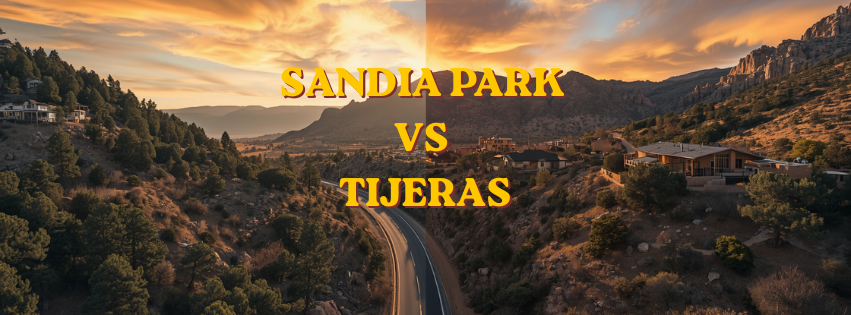
Sandia Park vs Tijeras: Where should you buy?
Sandia Park vs Tijeras: Where Should You Actually Buy in 2026?
If you have spent any time researching East Mountain communities near Albuquerque, you have almost certainly come across both names: Sandia Park and Tijeras. They sit within a few miles of each other. They share the same general backdrop of mountain terrain, piñon and juniper forest, and cooler-than-Albuquerque temperatures. And they both attract the same broad profile of buyer — someone who wants mountain living without sacrificing Albuquerque access.
But they are genuinely different communities. Different elevations. Different characters. Different price behavior. Different daily-life realities. And for the buyer choosing between them, those differences matter enough to get right before you start making offers.
This is the comparison guide that most real estate sites skip. We are not skipping it.
Understanding the Geography — They Are Closer Than You Think, But Further Apart Than They Feel
Before comparing anything else, it helps to be precise about where each community actually sits.
Tijeras, which means "scissors" in Spanish, sits at the break in the mountains — essentially a canyon sliced between the Sandia Mountains to the west and the Manzano Mountains to the east. At 6,382 feet above sea level, it is typically 10 to 15 degrees cooler than Albuquerque, which sits about 1,000 feet lower in elevation. The Village of Tijeras proper is the first East Mountain community you reach heading east on I-40 from Albuquerque, making it geographically the closest East Mountain option to the city. The village has a population of about 500 — genuinely small, genuinely rural, genuinely close-knit.
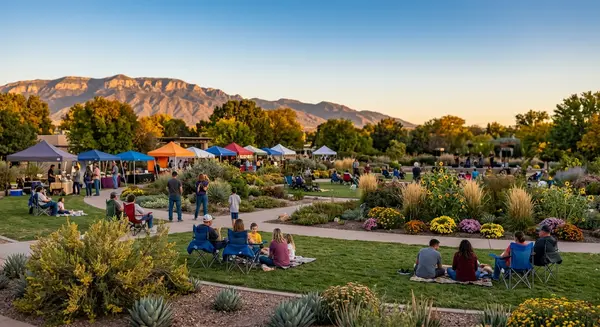
Sandia Park sits further northeast, accessible by heading north on Highway 14 — the Turquoise Trail — from the I-40 interchange near Tijeras Canyon. Sandia Park is a census-designated place in Bernalillo County with a population of 265 as of the 2020 census. It is zoned to Albuquerque Public Schools and is home to the Tinkertown Museum — a beloved East Mountain landmark sitting along Highway 536, the road up to Sandia Crest.
The key geographic distinction: Tijeras is a canyon-mouth community with direct I-40 access. Sandia Park is a mountain-slope community accessed via the scenic Highway 14 corridor, sitting higher on the eastern face of the Sandias. That geography directly shapes everything that follows — commute character, winter conditions, views, and community feel.
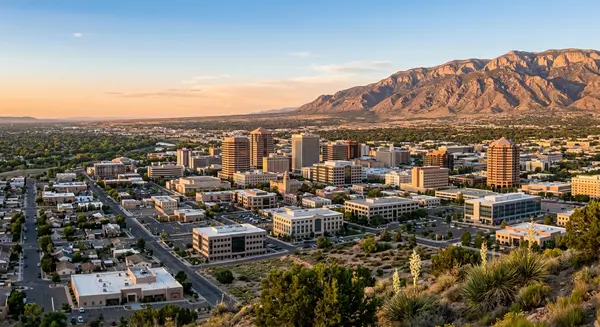
The Lifestyle Comparison — Same Mountains, Different Lives
What Life in Tijeras Actually Looks Like
Tijeras is defined by mountain homes and custom construction. Homes in Tijeras sit on acreage rather than subdivisions — often spread out, surrounded by forested terrain, rock outcroppings, and natural landscapes that provide privacy and separation from neighbors.
The community character is deeply authentic and unhurried. Residents describe it as quiet and kind — a place where neighbors call to check on each other and people genuinely know the people next door. There is essentially no commercial density within the village itself. Though there are few businesses in Tijeras, Rock Canyon Cider is one of the first on the way from Albuquerque. There is a salon, an animal feed store, and Roots Farm Café, which has outdoor patio and porch seating. That is largely it for walkable daily amenities — and buyers who understand that going in tend to appreciate the simplicity rather than resenting it.
What Tijeras delivers in abundance is Cibola National Forest access, canyon trail systems, Sandia and Manzano Mountain views from virtually every property, and a genuine sense of elevation-driven separation from Albuquerque. Running north out of Tijeras, State Route 14 is part of the Turquoise Trail, a scenic byway that connects the East Mountains to Santa Fe, about 58 miles away. The Turquoise Trail itself becomes a lifestyle feature for Tijeras residents — Madrid, Cerrillos, and ultimately Santa Fe are all accessible on one of the most scenic drives in the state.
What Life in Sandia Park Actually Looks Like
Sandia Park occupies a quieter, more deeply residential character than even Tijeras. With a population under 300, this is one of the most genuinely small communities in Bernalillo County — and residents describe it with a pride that outsiders sometimes mistake for insularity.
Living in Sandia Park offers residents a rural feel, and most residents own their homes. Residents tend to be liberal, and the public schools are rated above average. The community draws a mix of long-term New Mexico families and intentional transplants who chose it specifically for its remoteness — people who want the Sandia Mountain wilderness as their immediate backyard, not a driving destination.
The San Pedro Creek neighborhood within Sandia Park is frequently cited by residents as one of the community's most distinctive features — a creek-adjacent setting with a protected nature area, swimming hole access, and, occasionally, wild horses that wander through the area. Residents describe driving up to the Sandia Crest for hikes and picnics, with even a restaurant accessible at the summit — either via the Tramway from Albuquerque or by driving up Sandia Crest Highway from the community's doorstep.
The Tinkertown Museum, sitting along Highway 536 on the way to Sandia Crest, functions as Sandia Park's most recognizable cultural landmark — a 22-room folk art museum built over four decades from 50,000 glass bottles, filled with animated miniatures, western memorabilia, and a 35-foot wooden sailboat that circumnavigated the world. It is a deeply New Mexican attraction that tells you something about the character of the place.
Home Prices — What the Numbers Show in 2026
This is where the two communities separate most clearly — and where buyers need the most context to make sense of the data.
Tijeras Pricing in 2026
Tijeras pricing is notably variable because the community encompasses everything from small rustic cabins on modest lots to expansive multi-acre custom estates. The median sale price for homes in Tijeras over the last 12 months is $530,000, with a median list price in May 2026 of approximately $590,000 at $232 per square foot. Homes in Tijeras are spending a median of 166 days on market as of May 2026.
Home types include rustic cabins or cottages, ranch-style homes, and spacious custom homes. Large lots are common, and many are multi-acre, allowing for features like horse stables, workshops, and outbuildings.
Redfin data shows that 100% of properties in Tijeras carry some wildfire risk over the next 30 years — a moderate risk classification — and that 39% of properties face some severe flooding risk over the same period. Both factors directly affect insurance costs and are due-diligence items every Tijeras buyer should address with their agent before committing to a specific property.
Sandia Park Pricing in 2026
Sandia Park's pricing story is equally nuanced. The Zillow Home Value Index for Sandia Park shows a value of approximately $484,489, while Movoto's May 2026 data puts the median list price at $652,000. Redfin currently shows 9 single-story homes for sale at a median listing price of $599,000, with most homes staying on market for approximately 179 days.
Bestplaces data shows that homes in Tijeras have seen 57% appreciation over the last five years, compared to 56.4% for Sandia Park — both communities have tracked similarly over the medium term, though Tijeras has shown slightly stronger 10-year appreciation at 101.1% versus 71.2% for Sandia Park.
The critical context for both markets: these are extremely small communities. A handful of sales in any given quarter can move the reported median significantly. Buyers should not treat short-term median price changes in either community as reliable trend signals — a single high-value sale or distressed property can swing the number meaningfully.
A Critical Note on Water, Septic, and Infrastructure
Both Sandia Park and Tijeras share the infrastructure realities common to all East Mountain properties — and this is not a footnote, it is a primary due-diligence consideration. Buyers must verify the water source before purchasing a home in either community. Homes may use community water systems, private wells, or hauled water. Private wells can have low yield, which directly affects usability, financing, and long-term value. All homes use private septic systems, not municipal sewer. Septic inspections are critical, and system condition, capacity, and age can impact both purchase negotiations and lender approval.
Propane, rather than natural gas, serves most East Mountain homes. Four-wheel-drive vehicles are a practical consideration for winter months, particularly for properties accessed via unpaved or steep roads. These are not reasons to avoid either community — they are reasons to approach the purchase with informed eyes and an agent who understands mountain property ownership specifically.
Commute — The Daily Reality for Each Community
This dimension is where the two communities diverge most meaningfully for working buyers.
Tijeras sits directly on I-40 at Exit 175. The on-ramp is essentially in the village. For buyers who commute to Albuquerque, this is the most important geographic fact about Tijeras — the interstate corridor means the commute is structurally simple. In good weather, Downtown Albuquerque is 20–25 minutes. Kirtland AFB is approximately 25 minutes. Sandia National Laboratories is accessible in about 25–30 minutes. The canyon itself is the only variable: when winter weather ices the canyon road, conditions can slow significantly, and buyers need a capable vehicle and realistic expectations for storm days. But the fundamental commute architecture is as straightforward as East Mountain living gets.
Sandia Park requires an additional 10–15 minutes beyond Tijeras for most Albuquerque destinations, and the approach via Highway 14 rather than I-40 means the route character is different — more winding, more scenic, and less highway-speed efficient. From central Sandia Park, expect 30–40 minutes to Downtown Albuquerque in normal conditions. The Sandia Crest Highway that passes through the community adds another layer of winter driving consideration, particularly for properties higher on the mountain.
For remote workers, retirees, and buyers with flexible schedules, the additional commute time from Sandia Park is irrelevant. For daily commuters making the round trip five days a week, the difference between Tijeras and Sandia Park adds up to real hours over the course of a year — and it is worth road-testing both routes during actual commute conditions before deciding.
Schools — East Mountain Options for Both Communities
Both Tijeras and Sandia Park are served by the East Mountain school network, though the zoning specifics vary by exact address.
Top-rated East Mountain schools include Roosevelt Middle School, A. Montoya Elementary School, and Spinning Hills Middle School. Tijeras is part of the Bernalillo County R-1 School District, with 5 elementary schools, 7 middle schools, and 1 high school serving the broader East Mountain corridor.
Sandia Park is zoned to Albuquerque Public Schools, which creates a different administrative situation than the East Mountain Independent School District that serves parts of the broader corridor. This distinction is worth verifying for your specific Sandia Park address, as APS zoning can connect some Sandia Park students to city-based school options that East Mountain district students do not access.
Manzano High School serves the East Mountain high school corridor and is generally well-regarded within the community, though it is smaller in program breadth than La Cueva or other large Albuquerque public high schools. Families who prioritize extensive extracurricular programming, Advanced Placement depth, or athletic program size should factor school size into their comparison.
Who Belongs in Tijeras — and Who Belongs in Sandia Park
After working with East Mountain buyers across both communities, the distinction comes down to a few key questions.
Tijeras is likely the right fit if:
- You commute to Albuquerque regularly and want the most frictionless East Mountain commute available
- You want genuine acreage and rural privacy at a slightly more accessible price point than Sandia Park's current median
- You prefer I-40 access as your primary corridor rather than the winding scenic highway approach
- You are drawn to canyon living — the drama of Tijeras Canyon, the Manzano Mountains to the east, and the Sandia peaks to the west as your daily frame
- You want the southernmost gateway to the Turquoise Trail as your front door
Sandia Park is likely the right fit if:
- You are a remote worker, retiree, or have a flexible schedule where the additional commute time is not a daily factor
- You want to be as close as possible to Sandia Peak Ski Area, the Crest Highway, and the Sandia Mountain wilderness trail system — with those amenities as your primary backyard rather than a 20-minute drive
- You value the higher elevation and its associated cooler summer temperatures, more dramatic views, and deeper forest character
- The Turquoise Trail corridor and its connection to Madrid and Santa Fe matters to your lifestyle
- You are drawn to one of New Mexico's most genuinely small and community-oriented residential environments
Neither community is an obvious winner over the other. Both have tracked similar appreciation over the last five years, both carry the same infrastructure considerations, and both attract buyers who have made a deliberate, values-based choice to live in the East Mountains rather than settling for it.
The Bottom Line on Sandia Park vs Tijeras
Here is the honest summary: Tijeras gives you easier access and a more rugged canyon character. Sandia Park gives you more mountain immersion, higher Sandia proximity, and a community that is even quieter and more intentional than Tijeras.
For daily commuters, Tijeras is the practical choice. For buyers whose life is primarily home-based and who want to feel like they genuinely live in the mountains rather than at the edge of them, Sandia Park earns its slightly higher price premium.
The most important step for either community is the same: visit the specific property, in the specific location, on a winter day if possible — and work with an agent who understands East Mountain infrastructure well enough to ask the right questions about water source, road access, and septic condition before you fall in love.
For a broader look at how both communities compare to other East Mountain options, our guide to East Mountains vs Albuquerque living covers the full regional picture. And to see what is currently listed across both communities, browse active East Mountain listings here.
Ready to Explore Sandia Park or Tijeras?
Jenn & Vinay from The Rodgers Neighborhood Real Estate Group work with East Mountain buyers regularly — and we know what questions to ask that listing photos and online data will never answer for you. Whether you are leaning toward Tijeras's canyon character or Sandia Park's mountain-crest lifestyle, we can help you find the right property and navigate the infrastructure considerations that make East Mountain purchases different from any other market.
📞 (505) 417-2733 | rodgersvj@gmail.com 🏠 Browse East Mountain and Albuquerque listings →
Categories
- All Blogs (362)
- 2026 & Beyond for Real Estate (256)
- Doctors and Nurses looking for homes in NM (4)
- Guide to buying a home in NM (160)
- Health Care Heros (7)
- Home Upgrades (42)
- Jenn & Vinay your Local Real Estate Experts! (124)
- Moving to Albuquerque (139)
- Neighborhoods in Albuquerque NM (94)
- Rent or Own (2)
- Sellers Questions for Selling homes (2)
Recent Posts






GET MORE INFORMATION