
Moving to Albuquerque From Out of State: What You Need to Know
Moving to Albuquerque from out of state is one of the most exciting — and most misunderstood — decisions you can make.
People come here expecting a sleepy desert town and instead find a city with real energy: mountain views that stop you in your tracks, a cost of living that still makes financial sense in 2026, a food culture that is completely its own, and a community that genuinely welcomes newcomers.
But an out-of-state move to Albuquerque is not something you want to figure out as you go.
Whether you are relocating for a job, a lifestyle change, a growing family, retirement, or simply a fresh start — there are specific things you need to understand before the moving truck arrives.
This guide covers everything that actually matters:
- What Albuquerque is really like for newcomers
- Cost of living compared to where you are coming from
- The best neighborhoods depending on your priorities
- Schools, jobs, and the housing market in 2026
- The paperwork and practical steps to establish residency
- What most relocation guides leave out
Why People Are Moving to Albuquerque in 2026
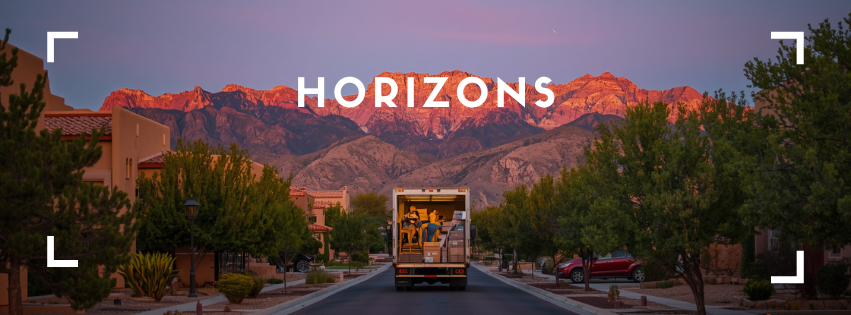
Albuquerque has been quietly drawing out-of-state movers for years — and the momentum has only picked up.
The reasons are usually a combination of:
- Home prices that are still significantly below major metros
- A lower cost of living that stretches your income further
- A job market anchored by healthcare, government, defense, tech, and film
- 300+ days of sunshine per year
- Outdoor recreation that is genuinely world-class
- A pace of life that most transplants call a relief
People are arriving from California, Texas, Colorado, Arizona, and across the Pacific Northwest — many of them priced out of where they were, others simply choosing a different quality of life.
The median home price in Albuquerque sits around $320,000 in 2026 — a number that barely exists in cities like Denver, Phoenix, or Austin.
That financial difference changes what your life can look like.
What Albuquerque Is Actually Like to Live In
Before the logistics, the most important thing to understand is the character of the city.
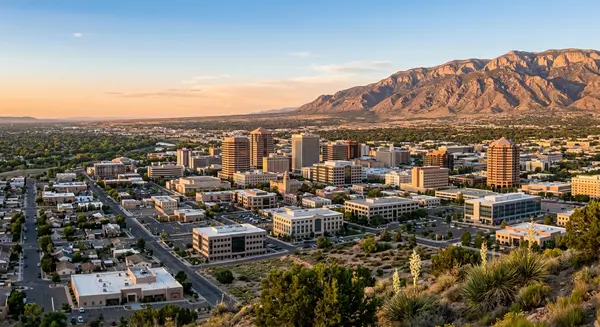
Albuquerque sits at 5,312 feet of elevation in the Rio Grande Valley, directly against the Sandia Mountains. That geography shapes everything — the light, the views, the air, and the culture.
It is the largest city in New Mexico, home to around 565,000 people, with a metro area pushing close to one million. It is diverse, multicultural, deeply rooted in Native American and Spanish heritage, and unlike any other city in the country.
The climate newcomers underestimate
Albuquerque's climate surprises most out-of-state movers.
It is a high-altitude semi-arid city — which means:
- Summers are hot but dry, with afternoon highs typically in the low-to-mid 90s
- Monsoon season runs July through September, bringing afternoon storms that cool things quickly
- Winters are mild by most standards — light snow, plenty of sunny cold days, rarely brutal
- Spring and fall are exceptional — warm days, cool evenings, almost no humidity
- Sun is the constant, with over 300 days of it per year
If you are coming from the Midwest, Northeast, or Pacific Northwest, the weather alone will feel like a lifestyle upgrade.
One thing to prepare for: the altitude. Your body may take a few weeks to fully adjust, especially if you are active outdoors.
The culture that makes it different
Albuquerque is not a typical American city. It has its own identity — shaped by centuries of Native American, Spanish colonial, and Mexican influence — and that shows up in the food, the art, the architecture, and the way people interact.
The food culture alone is worth the move. Green chile is not a topping here — it is a way of life. From breakfast burritos to green chile cheeseburgers, eating in Albuquerque is one of the most underrated culinary experiences in the Southwest.
The International Balloon Fiesta happens every October and draws over 800,000 people. It is the largest hot air balloon event in the world — and local residents still stop to watch from their front yards every single year.
Cost of Living: What to Expect When You Arrive
Albuquerque's cost of living is approximately 4% below the national average — and in most categories that actually matter to daily life, it outperforms what people are leaving behind.
Housing costs in 2026
This is usually the primary reason people move here.
- Median home price: approximately $320,000
- Average rent for a two-bedroom apartment: around $1,200 per month
- Property taxes: among the lowest in the country
- Utility costs: roughly 10% below the national average
For buyers coming from California, Colorado, Washington, or New York, those numbers represent an entirely different financial life.
A home that would cost $900,000 in Denver or $1.2 million in Los Angeles may exist here for under $400,000 — in a comparable neighborhood with mountain views.
Everyday expenses
Beyond housing:
- Groceries and dining run moderately below national averages
- Healthcare is comparatively affordable
- New Mexico has a state income tax rate that runs below the national average
- Gas is typically cheaper than coastal markets
- Childcare — New Mexico became the first state to offer universal no-cost childcare to all families regardless of income, beginning November 2025
For families in particular, that childcare policy is one of the most significant practical financial advantages of living here.
The Job Market: What Drives Albuquerque's Economy
Albuquerque's economy is more diversified than most out-of-state movers expect.
The largest employment sectors include:
- Healthcare and medical — anchored by UNM Hospital, Presbyterian, and Lovelace
- Government and defense — Kirtland Air Force Base and Sandia National Laboratories are two of the largest employers in the state
- Education — University of New Mexico and Central New Mexico Community College
- Film and media production — Netflix and NBCUniversal both have production facilities here
- Aerospace, technology, and advanced manufacturing
- Tourism and hospitality
For remote workers, Albuquerque has become an increasingly attractive base — affordable, well-connected, and with a growing network of coworking spaces.
The Albuquerque job market in 2026 remains steady, with continued hiring driven by healthcare, education, government, and construction.
Entrepreneurs also benefit from a supportive ecosystem that includes the New Mexico Small Business Development Center and various innovation incubators across the city.
Choosing the Right Neighborhood Before You Buy
Albuquerque has distinct neighborhoods with genuinely different characters. One of the biggest mistakes out-of-state buyers make is not researching this deeply enough before choosing where to live.
The most important factors to match:
- Where you will be working or commuting from
- Whether you need strong school options
- Whether you want walkability versus space
- Your price range and long-term investment goals
- Lifestyle priorities — urban energy vs. quiet residential vs. outdoor access
The strongest areas for most out-of-state relocators tend to be:
- Northeast Heights — best overall balance of safety, schools, and livability for families
- Nob Hill — walkable, vibrant, great for professionals and younger buyers
- North Valley — larger lots, quieter, strong lifestyle appeal
- Rio Rancho — newer construction, suburban feel, strong school options
- Ventana Ranch — popular with families, newer builds, practical location
For a full breakdown by neighborhood, read the complete neighborhoods guide for Albuquerque to compare your options before making a decision.
Schools and Families: What Parents Need to Know
For families with children, school quality is often the deciding factor in where to buy.
The Albuquerque Public Schools (APS) is the largest district in the state, serving over 80,000 students. School quality varies significantly by area — which makes neighborhood selection even more important for families.
Strongest school zones for families tend to cluster in Northeast Heights, Ventana Ranch, and the Rio Rancho area.
Private school options include:
- Sandia Preparatory School
- Menaul School
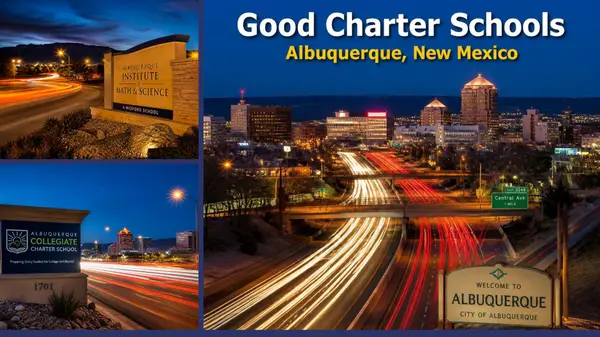
- Various Catholic and charter school programs
For higher education, the University of New Mexico is a major anchor institution, and Central New Mexico Community College serves a wide range of certificate and associate programs.
The universal childcare program launched in November 2025 is a major practical benefit for families with young children — no-cost care regardless of household income.
Should You Rent First or Buy Right Away?
This is one of the most common questions out-of-state movers ask — and the honest answer depends on your situation.
The case for renting first
- You get time to learn the neighborhoods firsthand before committing
- You can test commute routes and daily routines
- Albuquerque's rental market is significantly more affordable than most cities — average rent for a two-bedroom is around $1,200/month
- You avoid the risk of buying in the wrong area before you understand the city
When buying immediately makes more sense
Buying sooner makes sense when you:
- Have a clear job location that anchors your neighborhood choice
- Have done thorough pre-move research on specific areas
- Are working with a local agent who can guide you before you arrive
- Want to lock in a price in a market that continues to see steady demand
Either way, having a local real estate expert guiding you — before and during the process — dramatically reduces the risk of a costly mistake.
Practical Steps: Establishing Residency in New Mexico
Once you arrive, there are several steps to officially become a New Mexico resident. Here is what to prioritize in the first 30 to 60 days.
Getting your New Mexico driver's license
Once you establish residency in New Mexico, you are required to surrender your out-of-state license and apply for a New Mexico license through the New Mexico Motor Vehicle Division (MVD).
To obtain a REAL ID driver's license, you will need:
- One proof of your Social Security number
- One proof of identity (passport or birth certificate)
- Two proofs of New Mexico residency (utility bill, rental agreement, etc.)
- Your current, valid out-of-state license
Important notes:
- An eye exam is required for all new New Mexico applicants
- No written or road test required if you have a current out-of-state license
- There is an additional one-time $15 DWI records check fee for out-of-state transfers
- Your temporary license is valid for 45 days while your permanent license is mailed
Vehicle registration and other residency steps
Beyond your driver's license, plan to:
- Register your vehicle with New Mexico MVD — required once you establish residency
- Update your voter registration to your new New Mexico address
- Update your address with your bank, employer, and the USPS
- Set up New Mexico utilities — Albuquerque is served by PNM for electric, New Mexico Gas Company for gas
- Register your children in school using your new address and proof of residency
What Most Relocation Guides Leave Out
Most relocation articles cover the basics — weather, cost of living, job market. Here is what they often miss.
- The altitude is real. At over 5,300 feet, physical exertion feels different for the first few weeks. Stay hydrated, especially if you are moving from sea-level cities.
- Dry skin and eyes are common adjustments. The low humidity catches many newcomers off guard — especially in winter. Lotion, eye drops, and a humidifier become staples for many transplants.
- The sun is intense. UV exposure at elevation is significantly higher than in most cities. Sunscreen and sunglasses are year-round necessities, not seasonal ones.
- Green chile is a way of life. Most grocery stores, restaurants, and even fast food locations serve New Mexican cuisine. You will quickly develop a preference for red, green, or Christmas (both).
- Neighborhood variance matters more than in smaller cities. Safety, school quality, and home values shift significantly across Albuquerque's different areas. Local expertise is not optional — it is essential.
- The outdoor access is exceptional. Within an hour of downtown Albuquerque, you can ski at Sandia Peak, hike in the Bosque, paddle the Rio Grande, or climb at Tent Rocks. This city is built for people who want to be outside.
Frequently Asked Questions
Is Albuquerque a good place to move from out of state?
Yes — for most people who do their research. Albuquerque offers a strong combination of affordability, quality of life, outdoor access, and a growing economy. The key is understanding the neighborhoods and matching your priorities to the right area.
How much money do I need to move to Albuquerque?
With a median home price around $320,000 and average rents around $1,200 per month for a two-bedroom, Albuquerque is significantly more accessible than most metro markets. Many out-of-state buyers are able to afford more home here than they could in their previous city.
What are the safest neighborhoods in Albuquerque for newcomers?
Northeast Heights, Ventana Ranch, North Albuquerque Acres, and areas of the East Mountains consistently rank among the safer, more family-friendly options. Neighborhood quality varies significantly, so working with a local agent is strongly recommended.
How long does it take to get a New Mexico driver's license when moving from out of state?
You can get a temporary license the same day you visit an MVD Field Office. Your permanent license arrives by mail within approximately 45 days.
Is it better to rent or buy when first moving to Albuquerque?
It depends on your situation. Renting first gives you time to learn the city before committing. Buying immediately works well when you have a clear employment anchor and have done strong pre-move research — especially working with a local agent who knows the market.
The Bottom Line
Moving to Albuquerque from out of state is a decision that, for the right person, changes everything for the better.
This is a city that rewards people who take the time to understand it.
The cost of living is real. The quality of life is real. The mountain views are real. And the community — built on centuries of culture and genuine southwestern hospitality — is something you feel the moment you arrive.
The most important decision you will make is not whether to move here.
It is where to plant roots once you do.
That is where local expertise makes all the difference. If you are planning an out-of-state move to Albuquerque, reach out to Vinay Rodgers at The Rodgers Neighborhood Real Estate Group. We work with relocating buyers every week — and we know exactly how to help you get it right from the start.
Categories
- All Blogs (362)
- 2026 & Beyond for Real Estate (256)
- Doctors and Nurses looking for homes in NM (4)
- Guide to buying a home in NM (160)
- Health Care Heros (7)
- Home Upgrades (42)
- Jenn & Vinay your Local Real Estate Experts! (124)
- Moving to Albuquerque (139)
- Neighborhoods in Albuquerque NM (94)
- Rent or Own (2)
- Sellers Questions for Selling homes (2)
Recent Posts





GET MORE INFORMATION