
Is Albuquerque a Good Place to Invest in Real Estate in 2026?
Is Albuquerque a good place to invest in real estate?
Yes. Albuquerque's median home price of $385,000 sits 12% below the national average, rental demand remains steady, and a housing shortage of 13,000 to 28,000 homes provides a structural floor under property values.
Why This Matters Right Now for Albuquerque Investors
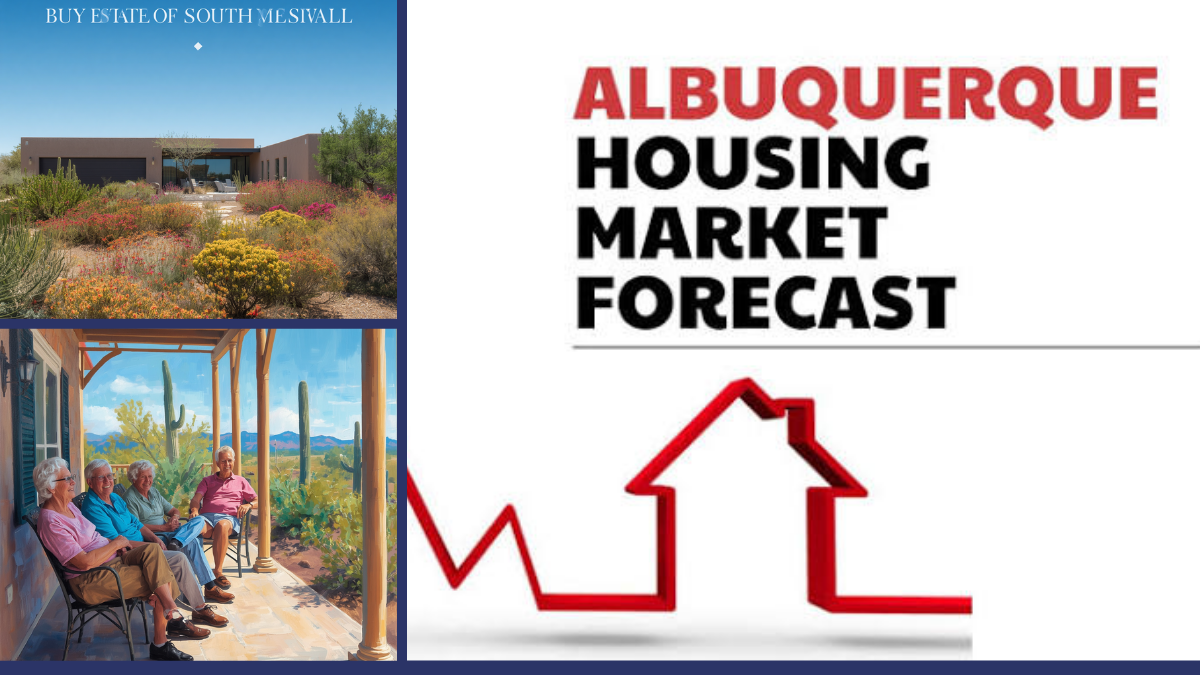
If you are weighing whether to hold, sell, or buy property in Albuquerque, the 2026 market is giving you a clearer signal than most Sun Belt cities. With 3,850 active listings and just 3.9 months of inventory, conditions still tilt toward sellers, yet days on market have edged up to 34. That means you have a window: enough demand to protect your investment, enough breathing room to negotiate intelligently.
What we see every week working with buyers and sellers across Albuquerque, New Mexico, is that the affordability story is real, but neighborhood selection is everything. Crime and performance vary block by block. A blanket "yes" or "no" answer to this question would do you a disservice. So let us walk through exactly what makes this market compelling and where the risks hide.
Albuquerque's Affordability Advantage Over the National Market
You are not imagining it: your dollar stretches further here. Albuquerque's median sale price is 12% lower than the national average, and the overall cost of living runs 4% below the national figure. When the United States median existing-home sale price hovers around $415,200, a $385,000 median in Albuquerque gives you meaningful purchasing power.
But here is where it gets interesting at the neighborhood level. ZIP 87102, covering Downtown and surrounding areas, has the lowest median home value at $241,332, roughly $118,000 below the city-wide median. On the other end, ZIP 87122 in the Four Hills and Tramway corridor sits at $738,030, operating almost like a separate market entirely.
What does that spread mean for you as an investor? It means Albuquerque is not one market. It is a collection of micro-markets, and your entry point, cash flow potential, and appreciation trajectory depend entirely on which neighborhood you choose. Having closed over 250 transactions across this metro, we can tell you that picking the right block matters more here than in most cities.
Neighborhood-Level Investment Analysis in Albuquerque
Nob Hill: Culture, Walkability, and Rising Values
If you are looking for an area where gentrification has already taken hold but still has room to run, Nob Hill along Central Avenue (Historic Route 66) deserves your attention. Typical median prices land in the mid-$300,000s to mid-$400,000s, while two-bedroom rental units over 800 square feet are available for under $2,000 per month. The proximity to the University of New Mexico and UNM Health System creates a built-in tenant pool of faculty, healthcare workers, and graduate students.
Walk down Central Avenue on a Saturday morning and the character is unmistakable: hand-painted murals across stucco walls, The Guild Cinema screening arthouse films, Astro-Zombies packed with collectors. The Albuquerque Rapid Transit line runs directly through the neighborhood, putting Downtown about 10 to 15 minutes away. For investors, that walkability premium translates to stronger rental demand and lower vacancy risk.
Southeast Albuquerque: The Value Play
Southeast Albuquerque remains one of the most affordable areas in the city, with a typical price range of mid-$200,000s to low-$300,000s. For investors willing to renovate, this area can offer solid opportunities. However, you need to do your homework on localized crime patterns. Performance varies significantly from one pocket to the next, and we always tell our clients to drive the streets at different times of day before committing.
Northeast Albuquerque: Stability and Premium Returns
The Four Hills and Tramway corridor, anchored by communities like High Desert and Sandia Heights, commands the highest values in the metro. High Desert averaged 3 offers per listing at its $825,000 median. This is your lower-risk, appreciation-focused play rather than a cash-flow strategy.
The Structural Fundamentals Protecting Your Albuquerque Investment
So what keeps this market from falling apart? You need to understand three structural pillars.
Persistent housing shortage. The metro faces a deficit estimated at 13,000 to 28,000 homes below what is needed to meet demand. That gap does not close overnight, and it provides a price floor even when mortgage rates create headwinds.
Economic catalysts. The Intel Fab 9 opening is bringing hundreds of new jobs and additional housing demand. Rio Rancho, just northwest of Albuquerque, leads all submarkets with 5.2% year-over-year price appreciation and just 18 average days on market as of August 2026.
Low crash risk. A housing market crash in New Mexico remains unlikely in 2026. The state does not show widespread overbuilding or high-risk lending conditions. The more probable outcome is gradual price stabilization with continued moderate appreciation of 3% to 5% annually.
With 12 years of experience in this market and a 5 out of 5 star rating across 20 client reviews, we have watched these fundamentals play out cycle after cycle. Albuquerque does not give you speculative spikes, but it also does not give you devastating corrections.
What Albuquerque Investors Need to Watch Out For
We would not be doing our job if we only gave you the upside. Here is what to keep your eyes on.
Population decline. Albuquerque's population fell from 564,885 in 2020 to 560,326 in 2024, a 0.8% decline. Nearby cities like Rio Rancho (up 7.7%) and Las Cruces (up 4.7%) are growing over the same period. This is not catastrophic, but it means you cannot assume unlimited demand growth.
The two-speed market. Well-priced, well-presented homes in desirable areas can sell in under two weeks with multiple offers. Overpriced or dated properties can sit for 60 to 90 days or longer. If you are buying a rental property, factor renovation costs into your analysis because dated inventory is where deals hide, but also where misjudged budgets can eat your returns.
Price reductions are common. Price reductions are showing up on 47.2% of active listings. Buyers in the $400,000 to $550,000 range are negotiating an average of 3.7% below asking price, equivalent to roughly $17,800 on a $480,000 home. As an investor, this gives you leverage you did not have two years ago.
Localized crime. Crime rates are a concern across Albuquerque, not exclusive to any single neighborhood. But the impact on property values and tenant quality varies dramatically at the block level. This is precisely why working with a team that knows the streets, not just the statistics, matters.
Rental Market Strength in Albuquerque, New Mexico
You cannot evaluate investment potential without looking at the rental side. Albuquerque's median rent sits at $1,310 as of August 2026, with statewide averages around $1,389 per month. Rents have remained nearly flat compared to the previous year but stay below many national averages, which supports tenant retention and reduces turnover costs.
Albuquerque features diverse nightlife, festivals, and cultural events that fuel a developing tourism industry and potential for short-term rental investing. Long-term rentals benefit from a relatively affordable cost of living that keeps the tenant pipeline flowing.
For distressed homeowners specifically, understanding the rental market matters because it gives you options. If selling does not make sense right now, renting your property while you stabilize your finances can be a viable path forward. As one of our past clients shared: "Jennifer and Vinay were wonderful in helping us sell our home and find our forever home. We could not be happier with the service and knowledge they provided."
Frequently Asked Questions
Is Albuquerque, New Mexico, affordable for real estate investors in 2026?
Yes. The median home price of $385,000 is 12% below the national average, and the overall cost of living runs 4% lower than national figures. Entry points start as low as $241,332 in the Downtown ZIP code 87102, making Albuquerque one of the more accessible Sun Belt metros for first-time investors.
What is the housing shortage situation in Albuquerque?
Albuquerque faces a housing deficit estimated at 13,000 to 28,000 homes below what is needed to meet demand. This structural shortage supports property values and reduces the likelihood of a significant price correction in the near term.
How much rent can you expect from an Albuquerque investment property?
Median rent in Albuquerque is $1,310 as of August 2026. In neighborhoods like Nob Hill, two-bedroom units over 800 square feet rent for under $2,000 per month. Rental rates have been relatively flat year over year, reflecting stable tenant demand.
Is there a risk of a housing market crash in Albuquerque?
A housing market crash in New Mexico remains unlikely in 2026. The state does not show widespread overbuilding or high-risk lending conditions that typically precede major downturns. Continued moderate appreciation of 3% to 5% annually is the more probable outcome.
What Albuquerque neighborhoods offer the best investment potential?
Nob Hill offers walkability and cultural appeal with medians in the mid-$300,000s to mid-$400,000s. Southeast Albuquerque provides value plays in the mid-$200,000s to low-$300,000s. High Desert and the Northeast corridor target appreciation-focused investors at higher price points.
Is Albuquerque's population growing or shrinking?
Albuquerque's population declined from 564,885 in 2020 to 560,326 in 2024, a 0.8% drop. However, the broader metro benefits from growth in nearby Rio Rancho (up 7.7%) and economic drivers like the Intel Fab 9 opening.
How long does it take to sell a home in Albuquerque right now?
Average days on market sit at 34 as of mid-2026. Well-priced homes in desirable neighborhoods can sell in under two weeks, while overpriced or dated properties may sit for 60 to 90 days or longer.
What role do mortgage rates play in the Albuquerque investment decision?
Mortgage rates are expected to remain in the 6% to 7% range through 2026. Any rate decreases could trigger a surge in buyer demand, which would benefit existing property owners and investors who have already purchased.
Are there assistance programs for distressed homeowners in Albuquerque?
The New Mexico Homeowner Assistance Fund is closed, but active resources include HUD-approved housing counseling (call 800-569-4287), the United South Broadway Corporation for free foreclosure counseling, and USDA Section 504 Home Repair loans for eligible rural homeowners.
How much negotiating room do Albuquerque buyers have in 2026?
Buyers in the $400,000 to $550,000 range are negotiating an average of 3.7% below asking price. Price reductions appear on 47.2% of active listings, giving investors more leverage than in recent years.
The Bottom Line
Albuquerque is a genuinely strong value play in the Southwest for 2026, with relative affordability, steady rental demand, and a housing shortage that protects your downside. But you cannot buy blindly based on zip code alone. Localized crime and varying neighborhood performance mean the difference between a smart investment and a headache is often a matter of blocks, not miles.
Whether you are a distressed homeowner exploring your options or an investor evaluating your first Albuquerque purchase, having a team with deep local knowledge changes the outcome. We are Jenn and Vinay Rodgers with The Rodgers Neighborhood Real Estate Group, recognized in the top 5% of Albuquerque agents in 2023 and 2024. Reach us at 505-417-2733 or visit our office at 4800 Juan Tabo Blvd NE Ste D, Albuquerque NM 87111. We would love to help you make the right move.
Categories
- All Blogs (338)
- 2026 & Beyond for Real Estate (233)
- Doctors and Nurses looking for homes in NM (4)
- Guide to buying a home in NM (150)
- Health Care Heros (7)
- Home Upgrades (40)
- Jenn & Vinay your Local Real Estate Experts! (116)
- Moving to Albuquerque (132)
- Neighborhoods in Albuquerque NM (90)
- Rent or Own (2)
- Sellers Questions for Selling homes (2)
Recent Posts


GET MORE INFORMATION