
Albuquerque's Rest on Red Program and What It Means for Homeowners
Albuquerque's Rest on Red Program and What It Means for Homeowners
What is Albuquerque's Rest on Red program, and how does it affect your neighborhood and your home's value?
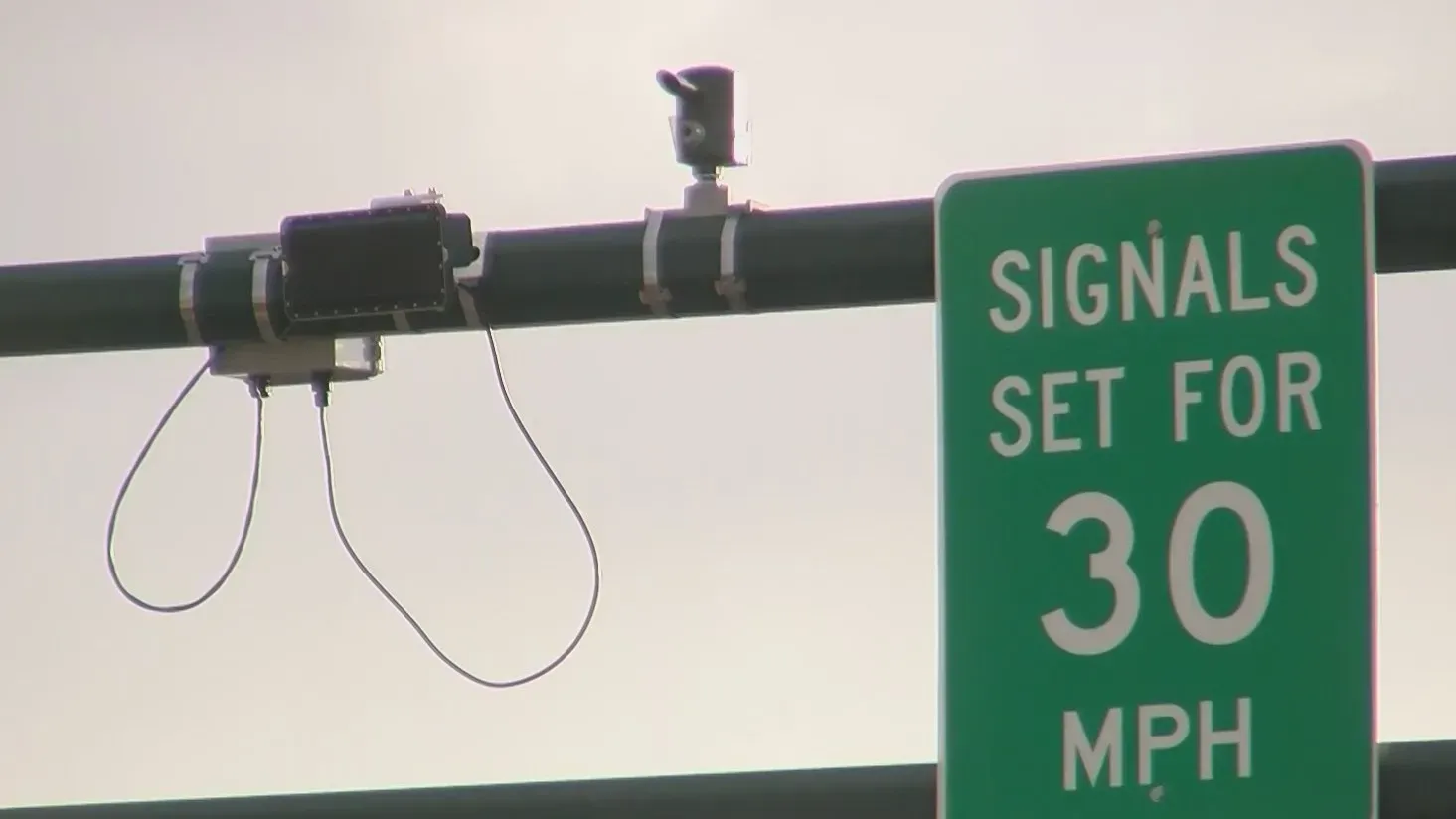
Albuquerque's Rest on Red program is a traffic safety system that uses smart sensors to make speeding drivers stop at a red light, rewarding those who follow the speed limit with green lights and making residential corridors safer.
Why the Rest on Red Program Matters Right Now in Albuquerque
Three years after its launch, Albuquerque's Rest on Red program is gaining national attention, and other cities want to know how we did it. As Realtors who work in these Albuquerque neighborhoods every day, we can tell you that traffic safety is not just a commuting issue. It is a quality-of-life issue that directly touches property values, walkability, and how comfortable you feel letting your kids ride bikes down the street.
If you are a homeowner in Albuquerque who is facing financial stress, dealing with a potential sale, or simply weighing your options, you should understand how programs like Rest on Red shape the neighborhoods where your equity lives. With Albuquerque's median home price reaching $385,000 in August 2026 (a 3.5% year-over-year gain according to GAAR data), every factor that supports or undermines your neighborhood's appeal has a dollar amount attached to it.
So how does a traffic signal program connect to your home and your financial decisions? Let us walk you through it.
How the Albuquerque Rest on Red System Actually Works
The concept behind Rest on Red is straightforward, but the technology is genuinely smart. Here is the core idea: approach an intersection too fast, and the light stays or turns red. Slow down to the posted speed limit, and when conditions allow, you get the green.
Albuquerque took a longstanding traffic-safety concept and pushed it further by adding speed sensors that grant a much earlier green light to drivers traveling at or below the posted limit. The system essentially rewards good behavior instead of only punishing bad behavior. As city officials have noted, simply punishing lead-footed drivers did not seem to work. What ultimately did was rewarding the law-abiding ones with fewer red lights.
Where You Will Find It in Albuquerque
The Rest on Red sensors are currently deployed along Lead and Coal Avenues, the parallel one-way streets that cut through the Nob Hill-to-Downtown corridor. This residential area had long struggled with high-speed crashes, making it a natural testing ground.
If you drive these streets regularly, you have probably noticed the difference already. As one resident along the corridor confirmed, "If everybody cruises to 30 calmly, I can promise you, you can get every single green light all the way down."
The city has also indicated that more intersections outside the Nob Hill-Downtown area could soon see Rest on Red implemented, though traffic engineers evaluate each location individually.
What Rest on Red Means for Albuquerque Neighborhoods and Property Values
You might be wondering why a real estate team is writing about traffic signals. Fair question. With 12 years of experience and over 250 transactions closed across Albuquerque, we have seen firsthand how neighborhood safety improvements translate into buyer interest, and buyer interest translates into your home's value.
The Nob Hill Connection
Nob Hill, where Rest on Red is actively deployed along Central Avenue's busiest corridors, has a median home price of around $300K to $320K. That sits below the citywide median, making it a remarkable value for the walkability on offer. Housing there is mostly 1940s to 1960s bungalows alongside mid-century modern homes and newer infill projects.
The walkability factor is critical. Nob Hill appeals to young professionals, artists, academics, and anyone who values the ability to walk to dinner, coffee, shopping, and entertainment. But walkability only works when pedestrians and cyclists feel safe, and that is exactly what Rest on Red reinforces along those corridors.
The Ripple Effect Across Albuquerque
When you look at the broader market, well-priced homes in desirable neighborhoods sell in under two weeks with multiple offers, while overpriced or dated properties in less competitive areas can sit for 60 to 90 days or longer. Safety infrastructure like Rest on Red helps tip neighborhoods toward that first category.
A 2023 study on five rural and urban roads in North Carolina found a 43% reduction in total crashes after rest-in-red systems were implemented around the clock. That kind of data matters when buyers are comparing neighborhoods.
How Rest on Red Affects Distressed Homeowners in Albuquerque
If you are facing financial hardship, falling behind on mortgage payments, or considering selling your home under pressure, here is what you need to understand: your neighborhood's trajectory matters enormously for your options.
New Mexico is a judicial foreclosure state, meaning your lender must go through the court system. The entire process usually takes four to six months from the first missed payment, giving you more time and options than homeowners in many other states.
That timeline is your window. And during that window, the marketability of your home depends on how buyers perceive your neighborhood.
What we tell our clients is this: when you are weighing whether to sell proactively or wait, you need to consider every factor that supports your home's appeal. Homes along corridors where Rest on Red operates benefit from a safer, calmer street environment. Buyers notice that. They may not know the technical name for the system, but they notice whether a street feels safe when they pull up for a showing.
Resources You Should Know About
If you are struggling with mortgage payments in Albuquerque, several programs exist to help:
- New Mexico Mortgage Finance Authority (Housing New Mexico) offers up to $20,000 in temporary mortgage assistance through their HOME program. Contact them at 505-843-6882 as soon as you start having trouble. The sooner you reach out, the more options they have available.
- United South Broadway Corporation (USBC) provides free, government-funded housing counseling and legal assistance to homeowners across New Mexico. Located at 1500 Walter Street SE in Albuquerque, they can be reached at 505-764-8867. There are no income caps for housing counseling services.
- The Foreclosure Settlement Program (FSP) offers free facilitation services funded by the New Mexico Legislature. Their settlement facilitators have subject-matter expertise in residential mortgage foreclosure cases. Contact them at 505-841-7626.
Why Other Cities Are Watching Albuquerque's Rest on Red Approach
National news outlets including NewsNation and the Associated Press have recently reported on Albuquerque's program. Cities like Boulder, Colorado, and Long Beach, California, have started implementing their own smaller-scale versions. The attention is a real point of pride for Albuquerque, and it matters for you as a homeowner.
Why? Because national attention on a city's innovation signals to potential buyers, relocating families, and investors that Albuquerque is a forward-thinking market. With the metro area facing a housing shortage estimated at 13,000 to 28,000 homes below what is needed to meet demand, anything that enhances Albuquerque's appeal to incoming residents supports property values across the board.
The city has also paired Rest on Red with speed cameras near the same corridors, creating a layered enforcement approach that officials say has made the system even stronger.
Not everyone is fully on board. Some critics question whether driver behavior can really change without a broad education campaign, and the system does require all drivers to comply, since just one speeder can trigger a red light for everyone. But three years of results suggest the approach is working, and city officials are actively evaluating additional intersections for deployment.
How Rest on Red Connects to Albuquerque's Northeast Heights and Beyond
You do not have to live along Lead or Coal to benefit from this program. If the city expands Rest on Red to additional corridors, neighborhoods like Northeast Heights could see similar improvements. Northeast Albuquerque home prices were up 5.4% year-over-year through mid-2026, with a median price of $385K. Homes there sell after an average of 29 days on the market, faster than the city average.
Major corridors like Wyoming Blvd NE, Eubank Blvd NE, and Juan Tabo Blvd NE carry significant traffic through residential pockets. These are exactly the types of streets where Rest on Red technology could make a measurable difference.
Rated 5 out of 5 stars by our clients, with 20 reviews and counting, we hear from buyers regularly about what makes them choose one Albuquerque neighborhood over another. Safety, walkability, and community feel rank near the top of every list.
Frequently Asked Questions About Albuquerque's Rest on Red Program
What exactly is the Rest on Red program in Albuquerque?
It is a traffic safety system that uses smart speed sensors at intersections. If you approach too fast, the light stays or turns red. If you travel at or below the posted speed limit, the system grants you a much earlier green light. The program rewards safe driving instead of only punishing speeding.
Where is Rest on Red currently deployed in Albuquerque?
The system is active along Lead and Coal Avenues, the parallel one-way streets running through the Nob Hill-to-Downtown corridor. These streets had long struggled with high-speed crashes. The city has said traffic engineers are evaluating additional intersections for possible expansion.
How does the Rest on Red system detect your speed?
Speed sensors positioned near the intersection measure approaching vehicles. Drivers at or below the posted limit receive a green signal earlier, while drivers exceeding the limit encounter a red light designed to force them to slow down before proceeding.
Has the Rest on Red program actually reduced crashes in Albuquerque?
City officials report that after three years, more cars are slowing down and residents in the area are much happier. A 2023 study on similar rest-in-red implementations in North Carolina found a 43% reduction in total crashes when the system operated around the clock.
Are other cities copying Albuquerque's Rest on Red approach?
Yes. Boulder, Colorado, and Long Beach, California, have implemented smaller targeted efforts. National outlets including NewsNation and the Associated Press have covered the program, and other cities have reached out to Albuquerque to learn how it was done.
Does Rest on Red affect my property value in Albuquerque?
Traffic safety improvements directly support neighborhood desirability. Safer streets attract more buyers, particularly families and walkability-focused buyers. In Nob Hill, where the system is deployed, the neighborhood continues to perform well with median home prices around $300K to $320K and consistent appreciation.
Can one speeding driver ruin it for everyone on that street?
Yes, that is one limitation. The presence of just one speeder can trigger a red light for all approaching vehicles. The system works best when the majority of drivers comply with the speed limit, creating a collective incentive to slow down.
Does Albuquerque use speed cameras alongside Rest on Red?
The city has set up three speed cameras near where it also deploys Rest on Red, which officials say has made the combined approach even stronger as a traffic-calming strategy.
How does Rest on Red matter if I am a distressed homeowner in Albuquerque?
Your neighborhood's safety and appeal directly affect your home's marketability. If you need to sell quickly due to financial hardship, being in an area where traffic safety improvements are active can make your home more attractive to buyers, potentially helping you sell faster and preserve more equity.
Will Rest on Red expand to more Albuquerque neighborhoods?
The city has indicated that expansion is possible, but traffic engineers must evaluate each intersection individually to determine whether the system would work there. No specific timeline for additional locations has been publicly announced.
The Bottom Line
Albuquerque's Rest on Red program is more than a clever traffic experiment. It is a quality-of-life investment that touches property values, neighborhood safety, and how livable our city feels to current residents and future buyers alike. If you are a homeowner in Albuquerque navigating financial challenges, understanding what supports your home's value can make the difference between a reactive decision and a strategic one.
We are Jenn and Vinay Rodgers with The Rodgers Neighborhood Real Estate Group, and with 12 years of experience helping homeowners across Albuquerque and New Mexico, we are here to give you straight answers about your options. Whether you are looking to sell, stay, or simply need guidance on what your home is worth in today's market, reach out to us at 505-417-2733 or visit us at 4800 Juan Tabo Blvd NE, Ste D, Albuquerque, NM 87111. As one of our clients shared, "Vinay was absolutely fantastic, explained everything taking me from start to finish. No question unanswered." That is the standard we hold ourselves to, every time.
Categories
- All Blogs (331)
- 2026 & Beyond for Real Estate (227)
- Doctors and Nurses looking for homes in NM (4)
- Guide to buying a home in NM (146)
- Health Care Heros (7)
- Home Upgrades (40)
- Jenn & Vinay your Local Real Estate Experts! (112)
- Moving to Albuquerque (130)
- Neighborhoods in Albuquerque NM (89)
- Rent or Own (2)
- Sellers Questions for Selling homes (2)
Recent Posts

GET MORE INFORMATION