
Albuquerque Best Food: What to Eat in the Duke City
Albuquerque's food identity is not a brand. It is a 400-year-old culinary tradition that has been building since Pueblo peoples and Spanish colonists started cooking in the same valley — and the specific combination of ingredients, techniques, and cultural inheritance that tradition produced is available nowhere else in the world at any price.
"Albuquerque is the home of New Mexican cuisine, which is its own thing and not the same as Tex-Mex or Mexican food. The defining ingredient is the New Mexico chile pepper, served as either red or green chile sauce on almost everything, with blue corn, beans, pork, and Pueblo bread rounding out the staples," confirmed Finding the Universe's 2026 guide to the best restaurants in Albuquerque (April 2026). Understanding that distinction — New Mexican cuisine as its own category, not a subset of any other — is the prerequisite for eating in Albuquerque correctly.
This guide covers the food before the restaurants: the dishes that define the cuisine, the dining culture that shapes how Albuquerque eats, the specific neighborhoods where the best food concentrates, and the restaurants that represent each category most faithfully. The goal is to send you into Albuquerque knowing what to order, how to order it, and why it tastes like nowhere else.
The Foundation — New Mexican Cuisine Explained
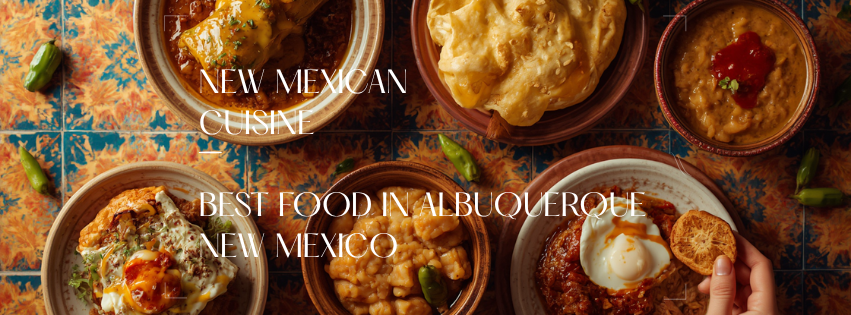
New Mexican cuisine occupies a specific position in the American regional food landscape: it is one of the few genuinely regional American cuisines that emerged from a specific place and did not spread or dilute into the national market. You can get Tex-Mex in Dallas and Midtown Manhattan. You cannot get New Mexican food — the authentic version — outside of New Mexico.
The four pillars:
- Hatch green chile: Grown specifically in the Hatch Valley, 90 miles south of Albuquerque. The roasted flavor, the specific heat profile, and the sweet-vegetal undertone that distinguish Hatch chile from any other pepper are the direct product of the Hatch Valley's soil, altitude, and climate — and cannot be replicated elsewhere. Everything else in New Mexican cuisine orbits around this ingredient.
- Red chile: Dried and ground Hatch or other New Mexico chiles, reconstituted into a sauce that is earthier, deeper, and more complex than the green. Red chile is slow heat; it builds. It is the sauce on carne adovada, on red enchiladas, and on the Christmas plate.
- Blue corn: A variety specific to the Pueblo agricultural tradition — nuttier in flavor, denser in texture, with a specific way of holding sauce that yellow corn tortillas do not replicate. Blue corn tortillas, blue corn pancakes, blue corn chips — each is a specifically New Mexican product.
- Pork: Carne adovada — pork slow-braised in red chile until it falls apart — is the signature New Mexican meat preparation. Not beef, not chicken. Pork in red chile, braised low and slow until the flavors are entirely unified, is the dish that most reliably demonstrates the depth of the culinary tradition.
Red or Green — The Question That Defines the Experience
"Red or green?" is New Mexico's official state question — literally encoded in the state legislature as such. Every server in every New Mexican restaurant will ask it. The answer determines the character of your plate.
- Green: Fresh roasted Hatch green chile. The heat comes immediately, with a bright vegetable note underneath. This is the choice for enchiladas, burritos, and bowls that you want to be vivid and a little sharp. Most visitors default to green on their first New Mexico meal, and it is the right instinct.
- Red: Dried chile reconstituted into a darker, earthier sauce. The heat comes later and stays longer. The flavor is more complex and less bright than green — better for carne adovada, for plates where the sauce should carry the dish rather than accent it.
- Christmas: Red on one side, green on the other. The correct answer when you cannot decide, when you want to compare, or when you want the full New Mexican experience in one plate. Always an acceptable order. Servers like the Christmas order from visitors because it shows they did their homework.
The heat level context: New Mexican chile heat is real but not extreme by chili-head standards. The typical New Mexican restaurant serves at a level of heat that is more present than a Chipotle burrito but less than a serious Thai or Indian heat experience. Adjust to your tolerance by asking servers for mild, medium, or hot — most places accommodate the range. Start with medium if you are uncertain.
The Must-Eat Dishes — The Albuquerque Food Education
The Smothered Breakfast Burrito
Where to start: The Frontier Restaurant (2400 Central Ave SE)
The New Mexican breakfast burrito is not a California-style burrito with eggs. It is a flour tortilla wrapped around scrambled eggs, potato, a protein (bacon, sausage, or chorizo), and cheese — and then smothered in red or green chile sauce, which is what makes it New Mexican rather than generic. The smothered part is the point. The chile poured over the top transforms the burrito from a convenient package of breakfast ingredients into a specific, irreplaceable experience.
The Frontier Restaurant on Central Avenue (Route 66) is the canonical address for the Albuquerque breakfast burrito — open since 1971, adjacent to UNM, running 6am to midnight, crowded by 7am on weekdays. The dining rooms are cavernous and fluorescent-lit and the line moves quickly. The burrito arrives hot and heavy and the chile is ladled generously. It is not a refined dining experience; it is the most honest version of what a beloved institution feels like when it has been making the same thing correctly for 53 years.
Carne Adovada
Where to start: Mary & Tito's Cafe (2711 4th St NW) or Sadie's of New Mexico (any location)
Carne adovada is the dish that most persuasively argues for New Mexican cuisine's depth. Pork — typically shoulder or country ribs — is slow-braised in red chile sauce for hours until the meat is entirely tender and the chile has penetrated every fiber. The result is a dish where the distinction between meat and sauce has dissolved into a single unified flavor that the separate ingredients cannot produce.
Mary & Tito's Cafe is specifically cited for its carne adovada turnover — braised pork in red chile enclosed in a pastry shell, a format unique to this kitchen and not available anywhere else. The red chile at Mary & Tito's is notably darker and earthier than at most Albuquerque spots — the most complex version of the sauce in the city, winner of the James Beard America's Classic Award.
The Stuffed Sopapilla
Where to start: Sadie's of New Mexico
The sopapilla is the most distinctly New Mexican bread form — a hollow fried pastry that puffs in the hot oil into a pillow, served either as dessert with honey (the sweet version at the end of the meal) or stuffed with meat, cheese, and beans as an entree (the savory version that most out-of-state visitors are completely unprepared for).
The stuffed sopapilla at Sadie's — filled with seasoned beef or chicken, beans, and cheese, topped with chile sauce, and served with the puffed pastry still warm — is the specific New Mexican dish that requires the most active adjustment of prior food-category expectations. It is simultaneously a bread and a container and a vessel for chile sauce, and it is completely delicious. Sadie's has been making it since 1954, when Sadie Koury opened the original location on Second Street.
Blue Corn Enchiladas with Red Chile and a Fried Egg
This plate — blue corn tortillas layered with cheese or meat and red chile sauce, with a fried egg on top — is the single most specifically New Mexican order available in the city's traditional restaurants. The blue corn tortillas have a specific earthy flavor and a denser texture that the chile sauce clings to differently than yellow corn. The fried egg on top — runny yolk — is the traditional New Mexican enchilada topping, and the combination of chile, cheese, egg yolk, and blue corn is the essential flavor experience of the cuisine.
The Green Chile Cheeseburger
New Mexico's green chile cheeseburger is the state's contribution to American burger culture — a specifically regional format that has been nationally recognized and that is available everywhere in the state in varying qualities, from gas stations to the State Fair competition where the best versions compete annually.
The New Mexico green chile cheeseburger differs from the standard American cheeseburger not in the patty or the bun but in the roasted Hatch green chile placed on the patty before the cheese is melted over it. The heat and the flavor of the roasted chile are completely integrated with the beef and the melted cheese in a way that no cold green salsa topping replicates. The State Fair green chile cheeseburger competition winner changes annually; the institutional standby for an honest version is the Laguna Burger at the Indian Pueblo Cultural Center.
Posole
Posole is the hominy stew that is the comfort food of the New Mexican winter — slow-cooked dried white or blue corn, pork, red chile broth, and the traditional toppings of dried oregano, cabbage, radish, and lime. The New Mexican posole differs from the Mexican menudo (tripe) version and from the New Year's Day posole of Southern New Mexico in its specific ingredient proportions and the prominence of red chile in the broth.
The posole at Tiny Grocer ABQ in Old Town is specifically cited in current reviews for its chimichurri variation — a contemporary reinterpretation of the traditional format. For the traditional version, any New Mexican family restaurant serves posole as a regular menu item, with the best versions served in winter when the red chile is at its peak.
Biscochitos — The Official State Cookie
Where to start: Golden Crown Panaderia
The biscochito is the only state-designated official cookie in the United States — a New Mexico designation that reflects the cookie's specific cultural significance in a state where the Spanish colonial baking tradition is still living rather than historical. The biscochito is an anise-flavored lard-based shortbread, typically cut in star or fleur-de-lis shapes, rolled in cinnamon sugar — a recipe that has been made in New Mexican family kitchens for centuries and that is specifically produced in traditional form at Golden Crown Panaderia on Mountain Road.
Golden Crown Panaderia is the bakery that locals specifically send visitors to — a family operation producing biscochitos, green chile bread (green chile incorporated into the bread dough itself — a completely unique product), churros, empanadas, and the Indian Taco alongside its blue corn onion rings. The green chile bread at Golden Crown is a non-negotiable purchase for anyone spending more than 48 hours in Albuquerque.
The Restaurants — Where to Experience the Best of Each Category
The James Beard Recognition — National Attention on Local Food
Albuquerque's food scene has received specific national recognition. "Char's chef and owner Steve Riley — a 2024 James Beard Best Chef Southwest finalist — blends regional staples (green chile and duck-fat tortillas) with inventive riffs on seasonal produce that feel more rock-and-roll than rustic," confirmed The Adventurist Magazine's best Albuquerque restaurants guide. Mary & Tito's holds the James Beard America's Classic award. The national culinary establishment is paying attention to what Albuquerque's kitchens are doing.
The James Beard recognition matters because it confirms what local food lovers have understood for decades: the New Mexican culinary tradition, when applied with skill and creativity, produces results that are nationally significant rather than merely locally beloved.
The Institutions — What Has Been Here For Decades
- Sadie's of New Mexico: Founded 1954, now four locations including a 2026 airport opening. The bottled salsa is sold in supermarkets statewide. Best for the stuffed sopapilla and the smothered enchiladas. The salsa is genuinely excellent.
- The Frontier Restaurant: Since 1971, adjacent to UNM on Central Avenue. The breakfast burrito and the cinnamon roll (served warm and slicked with butter) are the two orders. Affordable, unpretentious, open until midnight. A New Mexican institution in the original sense — the city would be diminished without it.
- El Pinto: Running since 1962, sprawling North Valley property with multiple patios, a full tequila bar (the largest in New Mexico), and the specific atmosphere of a family-owned institution that has grown over 60 years. The patio in summer is the place.
- Mary & Tito's Cafe: James Beard America's Classic, 2711 4th St NW. Small dining room, $12-$20, closes at 8pm. The carne adovada turnover is unique to this kitchen. Arrive early; they fill up.
- Garcia's Kitchen: Multiple Albuquerque locations. The reliable, consistent New Mexican kitchen for everyday eating — the restaurant that locals bring out-of-town family members to when they want to show them the cuisine without the wait times of the most-visited institutions.
The Farm-to-Table and Contemporary — The New Generation
- Campo at Los Poblanos: The most elegant dining experience in Albuquerque — on a 25-acre lavender farm in the North Valley with mountain views and resident peacocks. The menu is described as "Rio Grande Valley cuisine" — tepary beans, Sonoran wheat, grilled lamb, seasonal New Mexico produce at a level of refinement that sits comfortably beside any fine dining in Denver or Santa Fe. Reservations essential.
- Char: The James Beard-recognized kitchen in Nob Hill. Chef Steve Riley's duck-fat tortillas and New Mexican ingredient riffs are the specific dishes that prove Albuquerque's culinary tradition can sustain genuine innovation without losing its roots. Best for: New Mexican ingredients applied with creative rigor.
- Farm & Table: North Valley, 12-acre permaculture farm on-site. "Authentic New Mexico flavors with a farm-fresh spin" — the vegetables and herbs are as local as any restaurant in the city.
The Specific Experiences — Beyond the Restaurant
- Ten 3 at Sandia Peak — dining at 10,300 feet: The restaurant at the summit of the Sandia Peak Aerial Tramway is the most altitude-elevated dining experience in Albuquerque and one of the most geographically specific in the United States. Chef J. Martin Torrez — who began his career as a teenage dishwasher — leads a kitchen producing New Mexican and global cuisine at the top of the mountain. The approach alone — the 15-minute Tramway ascent with the city 5,000 feet below — is the first course. Reservations required.
- Indian Pueblo Kitchen at the Indian Pueblo Cultural Center: The only restaurant in Albuquerque where the menu is specifically organized around Native American culinary tradition — frybread, blue corn mush, Pueblo feast day foods, and the specific agricultural heritage of the 19 Pueblos. Open to the public; no museum admission required. The Laguna Burger (green chile cheeseburger) is the specific dish that most converts visitors to the cuisine's potential.
- Golden Crown Panaderia: The green chile bread and the biscochitos are the two specific items that require purchase before leaving Albuquerque. The panaderia also makes Indian Tacos (fry bread with traditional toppings) and blue corn onion rings. Located on Mountain Road near Old Town.
- Dog House Drive-In: The hot dog stand on Central Avenue that has been serving since the 1950s, now additionally famous as a Breaking Bad filming location. The green chile hot dog is the specific order. The atmosphere — original 1950s roadside drive-in architecture on Route 66 — is as much the experience as the food.
Beyond New Mexican — Albuquerque's Broader Food Scene
Albuquerque's food identity is rooted in New Mexican cuisine, but the city's contemporary restaurant scene is wider than the traditional format. "The city's food scene is deeper and more daring than most visitors credit it for — chefs remixing tradition, newcomers pushing genre," noted Adventure Backpack's 2026 guide to Albuquerque's best food (May 2026). The non-New Mexican options that the best Albuquerque food guides consistently cite:
- Coda Bakery: The best bánh mì in Albuquerque — lemongrass pork or house-made scallion tofu on freshly baked baguette. The bành cam (deep-fried rice ball) is the specific order for the adventurous. A genuinely excellent Vietnamese bakery in a city where the Vietnamese community has built a meaningful culinary presence.
- Buen Provecho: Costa Rican cooking — arroz con pollo, casados, plantains, and pastries — from Kattia Rojas, who built the restaurant from a catering business and farmers market stand. One of the more unexpected and genuinely excellent entries in the city's food landscape.
- M'Tucci's at Nob Hill: Roman-influenced Italian — housemade pasta, salumi boards, and the speakeasy cocktail bar Teddy Roe's hidden in back. The fifth and most ambitious M'Tucci's location brings a level of Italian culinary seriousness to Nob Hill that the neighborhood's food culture fully accommodates.
- Mañana Taco: The food truck at Little Bear Coffee's Nob Hill patio. Austin-style tacos — beef barbacoa, sautéed mushrooms, green chile pinto beans — that appeal specifically to the Nob Hill remote worker morning culture. The Papa Dulce and the al pastor are the specific orders.
The Food Neighborhoods — Where to Eat by District
4th Street NW — The New Mexican Classic Corridor
The 4th Street NW corridor in the North Valley concentrates Albuquerque's most significant traditional New Mexican restaurants within a five-mile stretch. El Pinto, Mary & Tito's, and Casa de Benavidez are all on or near 4th Street NW. A full day of eating — lunch at Mary & Tito's, afternoon break, dinner at El Pinto — is the most concentrated New Mexican food education available in the city.
Old Town — History and Casual Excellence
Church Street Cafe, operating in a historic Old Town adobe, is the casual atmospheric option for Old Town visitors — vegetarian options more developed than typical New Mexican restaurants, reliably good enchiladas, and a courtyard setting that makes lunch specifically unhurried. The Tiny Grocer ABQ nearby (micro grocery and café on Mountain Road) provides the local shopping and the chimichurri posole.
Nob Hill — The Contemporary Scene
Nob Hill concentrates Albuquerque's most contemporary restaurant energy: Char for the James Beard-level New Mexican innovation, M'Tucci's for Italian ambition, Flying Star Café for the reliable work-from-cafe breakfast, and the Mañana Taco food truck for the morning Austin-meets-New-Mexican experience. The density of options on Central Avenue makes Nob Hill the best single neighborhood for a focused food exploration.
South Valley and Barelas — The Earliest and Most Traditional
Barelas Coffee House is the most traditional early-morning New Mexican café experience in the city — small, unpretentious, a menu of consistent New Mexican standards at the prices that reflect a community institution rather than a restaurant for visitors. It closes mid-afternoon. El Modelo in the South Valley follows a similar pattern. Arriving by 10am is the recommendation for both.
The Dining Culture — How Albuquerque Eats
- The city eats early: The peak lunch window is 11:30am to 1:30pm. Many traditional New Mexican restaurants close at 8pm or earlier. Plan dinner accordingly — the 9pm dinner reservation that works in New York or Los Angeles often collides with a restaurant that has already stopped seating.
- Arrive before opening on weekends: The most popular traditional spots — Barelas Coffee House, Garcia's Kitchen, any Sadie's location — have lines by 10am on weekends. Arriving 15 minutes before opening typically eliminates the wait.
- Sopapillas are dessert and entree simultaneously: Many New Mexican restaurants bring sopapillas with honey automatically at the end of the meal. This is dessert. The stuffed sopapilla is a separate entree item. Both exist; they are different things.
- The salsa arrives first: New Mexican restaurant salsa — red tomato-based, typically with green chile — is served with chips before the meal. The salsa at each restaurant is a signature that regulars specifically discuss. Sadie's sells their salsa in supermarkets statewide. Always taste the salsa before you order; it tells you everything about the kitchen.
- Green chile bread from a panaderia beats a souvenir every time: Golden Crown Panaderia's green chile bread — the specific loaf with green chile incorporated into the dough — is the food purchase that converts most visitors into the people who mail it to themselves from New Mexico when they move away. Buy one. Take it on the plane. Reheat it once. You will understand.
The September Green Chile Roasting Season — Plan Around It
Every September, the Hatch green chile harvest arrives in Albuquerque — and grocery store parking lots across the city set up large wire roasting drums that tumble the chile over propane flames until the skins char and blister and the roasted smell drifts across the surrounding streets. This is the New Mexican September smell.
Every Albuquerque resident who pays attention to food buys green chile in September — by the sack, by the bushel — and freezes it for the year. The fresh-roasted green chile that comes off the drum in September and goes directly into a breakfast burrito is the peak Albuquerque food experience, available for approximately four to six weeks in September and early October before the fresh crop runs out and the frozen supply takes over.
For visitors or relocating buyers who time their Albuquerque visit for September: the smell alone — the specific roasted-pepper fragrance of a working chile roaster in a grocery store parking lot on a warm September afternoon — is one of the most specific sensory experiences of the city. Add the Balloon Fiesta in early October and the bosque cottonwood gold in mid-October, and the September-October window is the most specifically Albuquerque sensory month in the year.
For the complete guide to Albuquerque's food scene organized by restaurant and neighborhood category, our companion post on the best restaurants in Albuquerque that locals recommend covers the full list. And for the complete picture of all the things Albuquerque is best known for beyond the food, our post on what Albuquerque is best known for places the food culture in the full context of the city's identity.
The Bottom Line — Albuquerque's Food Is an Argument for the City
There is a specific category of city whose food is so inextricably local that eating the food is the same as understanding the city — where the culinary tradition is not a reflection of the culture but a primary vehicle of it. New Orleans. San Francisco's Chinese food corridors. Nashville's hot chicken culture. Albuquerque is in that category.
The red or green question is not a menu decision. It is an invitation into a food culture with 400 years of accumulated refinement and zero interest in national trends. The breakfast burrito at the Frontier at 7am is not convenient calories; it is a direct line to the specific experience of being in this city in this place at this moment in its long history. The sopapilla with honey at the end of the meal is the city saying thank you for showing up.
Eat. Then come back. That is the Albuquerque food instruction set, in its entirety.
Want to Live Where This Food Is Part of Every Day?
Jenn & Vinay from The Rodgers Neighborhood Real Estate Group know which Albuquerque neighborhoods put the Frontier within walking distance, which put El Pinto on the way home from work, and which give you a North Valley address that makes Saturday morning posole at Barelas Coffee House a 10-minute drive. The city's food culture is one of the most consistent reasons buyers choose to stay once they arrive. If the food is part of what is drawing you to Albuquerque, the conversation about finding your home here starts with a call.
Jenn & Vinay Rodgers are Albuquerque's trusted real estate professionals with The Rodgers Neighborhood Real Estate Group, brokered by Real Broker, LLC, serving buyers and sellers across Albuquerque, Rio Rancho, Corrales, Los Lunas, Tijeras, Cedar Crest, Sandia Park, the East Mountains, Bernalillo County, Sandoval County, and surrounding New Mexico communities.
The Rodgers Neighborhood Real Estate Group
Jenn & Vinay Rodgers
Real Broker, LLC
Albuquerque, NM
📞 505-417-2733
🏠 Find your Albuquerque home — eat your way to the right neighborhoodCategories
- All Blogs (362)
- 2026 & Beyond for Real Estate (256)
- Doctors and Nurses looking for homes in NM (4)
- Guide to buying a home in NM (160)
- Health Care Heros (7)
- Home Upgrades (42)
- Jenn & Vinay your Local Real Estate Experts! (124)
- Moving to Albuquerque (139)
- Neighborhoods in Albuquerque NM (94)
- Rent or Own (2)
- Sellers Questions for Selling homes (2)
Recent Posts






GET MORE INFORMATION