
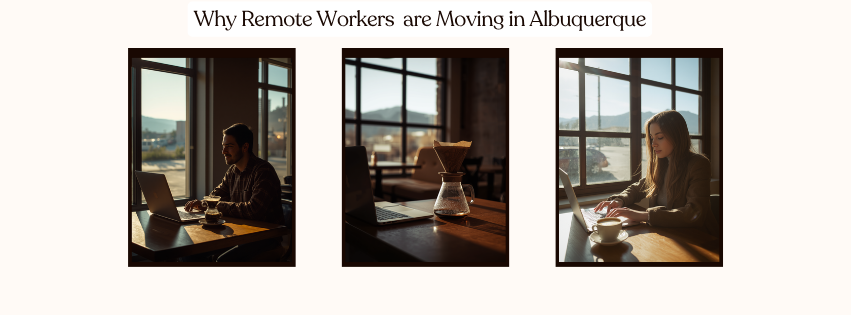
Why So Many Remote Workers Are Moving to Albuquerque New Mexico
The remote work transformation that accelerated beginning in 2020 and normalized through 2022-2023 gave a significant share of the professional workforce something they had not previously had: the ability to choose where to live based on quality of life rather than employer proximity. For many of those people, that choice — made with full financial analysis, lifestyle mapping, and the specific awareness of what their origin market was not giving them — has been Albuquerque.
This guide covers why. Not the generic "affordability and sunshine" version that appears in every Southwest relocation article, but the specific, calculable reasons that remote workers in particular are finding Albuquerque compelling in 2026.
The Income Arbitrage — The Math That Started Every Conversation
The primary remote worker driver is financial and it is specific: a salary calibrated to a high-cost market produces dramatically better outcomes when applied to Albuquerque's cost structure.
The specific calculations for the most common remote worker origin markets:
- San Francisco / Bay Area remote worker ($130,000 salary): In SF, $130,000 after California income tax (13.3% top rate) and Bay Area housing costs leaves approximately $2,000-$3,000 per month after housing. In Albuquerque, $130,000 after New Mexico income tax (5.9% top rate) and median housing costs leaves approximately $5,000-$6,500 per month after housing. The same salary produces approximately double the post-housing disposable income.
- Seattle remote worker ($120,000 salary): Seattle has no state income tax, which helps. But Seattle's median home cost (~$750,000) and rent (1-bedroom ~$2,100) produce housing costs that consume the advantage. In Albuquerque at $351,000 median, the same $120,000 income produces dramatically lower housing-to-income ratios and higher savings rates.
- Denver remote worker ($100,000 salary): Denver's median home (~$580,000) vs. Albuquerque's $351,000 produces a $229,000 housing cost differential. At a 5% down conventional mortgage, that difference is approximately $130,000 in required down payment and $1,300 less in monthly payment. The Denver remote worker who moves to Albuquerque gains a $1,300 monthly payment advantage and approximately $130,000 freed from down payment requirements.
- Austin remote worker ($110,000 salary): Texas has no state income tax, but Austin's post-pandemic appreciation has pushed median home prices to $500,000+. The Austin-to-Albuquerque move reduces housing cost by $150,000+ at the median and delivers the cooler summers and mountain access that the Austin transplant from the Pacific Northwest was missing.
The consistent finding across all origin markets: the remote worker who moves to Albuquerque from a high-cost market gains $800 to $3,000 per month in post-housing disposable income while maintaining their pre-move income level. Over five years, that difference compounds into meaningful wealth accumulation — a down payment, a retirement account, a paid-off car, financial optionality that the origin market was never going to produce on the same income.
What Remote Workers Are Actually Saying — The Nomads Data
Real remote worker perspectives from people who have chosen Albuquerque: "I have no idea how anyone chooses to live in Phoenix when the weather is so awful compared to ABQ, or chooses Denver when the cost of living is so high compared to ABQ. And Texas is too humid, so New Mexico is a nice little spot in the middle of all of it. And cheaper than almost any other 'big' city in the USA," confirmed a remote worker on the Nomads.com Albuquerque digital nomad guide (updated May 2026). The same review notes: "Fun, sort of weird vibe with a unique culture, fascinating history, and great food. Perfect weather year round with just enough of each season without too much snow or too much heat."
The nomads.com community review pattern for Albuquerque is consistent: the city earns praise for its value-per-quality-of-life ratio, its food culture, its outdoor access, and its specific cultural authenticity. The crime concern appears in reviews but is consistently contextualized with the neighborhood-specific reality: "if you choose your neighborhood carefully and lock up your stuff that can mostly be avoided."
The specific Nomads.com Albuquerque summary: "Politically somewhat moderate... Generally friendly locals and a nice melting pot of Native American, Mexican, and other cultures without a lot of judginess — very live and let live." This social tolerance and cultural openness is a quality that the remote worker community specifically values — a city that does not require conformity to a specific lifestyle or value system.
The Mountain Time Zone Advantage — The Geographic Career Benefit
Albuquerque's Mountain Time Zone location is a specific career advantage for remote workers serving clients or collaborating with colleagues on both coasts — and it is rarely discussed in relocation guides because it sounds technical compared to "affordability and sunshine."
The Mountain Time advantage:
- Eastern clients or colleagues (New York, Boston, Washington D.C.): 2-hour offset. A 9am Eastern meeting is 7am Mountain — early but manageable. A 6pm Eastern meeting is 4pm Mountain — still within normal working hours. The Mountain Time worker can serve Eastern clients without the 3-hour offset that creates the 6am calls for Pacific Time workers.
- Pacific clients or colleagues (Los Angeles, Seattle, San Francisco): 1-hour offset. A 9am Pacific meeting is 10am Mountain. A 5pm Pacific meeting is 6pm Mountain — barely into the evening. The Mountain Time worker serving Pacific clients has a nearly natural business day alignment.
- The working day optimization: A Mountain Time remote worker can reasonably work 8am to 5pm MT and cover both the Eastern morning (9am-5pm ET = 7am-3pm MT) and the Pacific business day (9am-5pm PT = 10am-6pm MT). The 1-2 hour offset from both coasts produces the least disruptive coast-spanning work schedule available to any time zone in the continental United States.
This advantage is specific to Albuquerque relative to Pacific Time locations: the Bay Area remote worker who moves to Albuquerque gains a Mountain Time schedule that eliminates the 6am required start times that serving Eastern clients demands from Pacific Time workers. The professional quality of life improvement from eliminating habitual 6am work calls is measurable and consistent.
The Internet Infrastructure — Fiber in the Desert
"For freelancers and remote workers, Albuquerque's combination of affordability and fiber internet infrastructure makes it an increasingly appealing destination. Coworking spaces and tech incubators have also made Albuquerque a hub for startup activity in the Southwestern U.S.," confirmed Breaking AC's Albuquerque relocation guide (October 2025). The fiber infrastructure that remote workers specifically require is available throughout Albuquerque's residential neighborhoods.
The specific internet infrastructure picture:
- Residential fiber availability: Multiple providers (CenturyLink/Lumen fiber, Comcast Xfinity gigabit, Cox Communications) serve the major residential corridors. The Northeast Heights, Nob Hill, and most of the city's established neighborhoods have gigabit fiber service available. The remote worker who requires 1 Gbps symmetrical service for large file transfers and high-volume video conferencing can access it in most Albuquerque residential addresses.
- Redundant connectivity options: Unlike some remote work destinations where a single provider monopolizes connectivity, Albuquerque's multiple ISP competition produces both pricing competition and geographic redundancy. A remote worker who experiences an outage from one provider can typically fall back to a second provider at the same address.
- 5G coverage: Major carriers have deployed 5G in Albuquerque's urban core, providing backup mobile connectivity for workers who need a redundant connection for critical video calls. The backup 5G option provides additional reliability for remote workers managing client calls where connectivity interruption is professionally damaging.
The Coworking Infrastructure — Where to Work When Home Doesn't Work
Remote workers who value the ability to work outside the home — for collaboration, for the social energy that home office isolation removes, or simply for a change of environment — find Albuquerque's coworking infrastructure functional and growing.
FatPipe ABQ — The Community Coworking Option
Location: 200 Broadway Blvd NE, Downtown | Infrastructure: Dedicated 200+ Mbps fiber connection
FatPipe ABQ is Albuquerque's most established independent coworking community — with a dedicated fiber connection, a landscaped courtyard that is specifically unique among Albuquerque coworking options, and a community of freelancers, remote workers, and startups that produces the social interaction that home office work removes. FatPipe hosts regular networking events, offers dedicated desks, private offices, and hot desks, and maintains the specific combination of professional infrastructure and community character that national coworking chains lack.
Catalyst Cowork ABQ — The Downtown Professional Option
Location: Downtown Albuquerque | Day pass: approximately $35
Catalyst Cowork ABQ is the downtown professional coworking option — high-speed internet, quiet phone booths for video calls, and a mix of communal and private work areas. Positioned in the downtown core near the business district, Catalyst is specifically appropriate for the remote worker whose day includes client meetings or who needs the professional setting that signals reliability on client video calls.
Regus — Three Albuquerque Locations for Flexible Day Use
Three Regus locations across Albuquerque: Downtown (500 Marquette Ave NW, $49/day), Lang Ave NE (4801 Lang Ave NE, $55/day), and One Sun Plaza Journal Center ($75/day)
The Regus network provides bookable day passes at three Albuquerque locations — video conference equipment, large displays, and whiteboards at all three. The Downtown location's $49 day pass is the most affordable structured coworking option in the city. The Journal Center location provides the most polished professional environment for client visits and extended work sessions with a restaurant and lounge on-site.
Ideas and Coffee — The Nomad Regular's Favorite
Digital nomads who spend extended periods in Albuquerque consistently mention Ideas and Coffee as the coworking option that best serves the flexible membership model — monthly memberships, quiet rooms for video meetings, reliable high-speed internet, multiple monitors available, and the affordable pricing that sustained stays require.
The Independent Coffee Shop Network — The Daily Work Environment
For remote workers who prefer the ambient energy of a cafe environment over the structured coworking space, Albuquerque's Nob Hill corridor provides the densest concentration of work-capable independent coffee shops in the city — Flying Star Café (reliable WiFi, full menu for all-day sessions), Humble Coffee, FreeRange Nob Hill, and a rotating cast of independent cafes with the specific combination of atmosphere and connectivity that remote workers seek.
The Nob Hill Walk Score of 85 means that the remote worker who lives in a walkable Nob Hill or University Heights address can walk to their daily coffee shop without a car — the specific daily experience of urban remote work that most Albuquerque neighborhoods cannot provide but that these corridors specifically deliver.
The After-Work Quality — The Reason They Stay
The income arbitrage explains why remote workers move to Albuquerque. The after-work quality explains why they stay — and why the remote workers who have been here for two or three years consistently report that they could leave and have chosen not to.
The specific after-work experiences that remote workers in Albuquerque consistently describe:
- The 5pm trail run from the residential street: The Northeast Heights remote worker who closes the laptop at 5pm can be on a Sandia foothills trail within 10-15 minutes without a drive. This is a daily outdoor activity at a quality and scale that no other comparable American city provides as a free, proximate, and daily option.
- The post-work Nob Hill coffee-to-dinner transition: A Nob Hill remote worker who finishes the work day at 5pm walks to dinner without a car, encounters the First Friday ARTScrawl gallery community on the first Friday, and has the entire Central Avenue restaurant corridor within a 15-minute walk. This is the urban remote work lifestyle that walkable neighborhood density specifically enables.
- The October Balloon Fiesta morning launch: During the first week of October, the remote worker in the North Valley or Northeast Heights neighborhoods can be watching 700 hot air balloons launch at 7am and at the laptop by 9am. This is the specific combination of the world's most spectacular free event and a functional work schedule that only Albuquerque's geographic and atmospheric conditions produce.
- The bosque morning cycling commute to the coffee shop: The remote worker in Los Ranchos or the North Valley can cycle the Paseo del Bosque Trail to a Nob Hill coffee shop via the river — a 20-to-35-minute commute through a cottonwood forest that is simultaneously the most productive and the most pleasant commute available to any professional in any city.
The Housing Value That Makes the Remote Work Home Worth Having
Remote work is permanently associated with home infrastructure: the dedicated office space, the reliable internet, the outdoor area for the decompression that long focus sessions require. Albuquerque's housing value is specific in the context of remote work because what the money buys at the $350,000 to $450,000 price range is the specific type of home that remote work performance and wellbeing require.
- Dedicated office space: A $375,000 Albuquerque home in the Northeast Heights typically provides 3 bedrooms — allowing a dedicated home office that would not be possible in the 2-bedroom $750,000 Denver townhome or the 1-bedroom $850,000 San Francisco condo that the same professional income produces in those markets.
- Outdoor decompression access: A covered portal (the New Mexico version of a covered porch or patio) is standard in Albuquerque residential construction and provides year-round outdoor working and decompression space that the climate specifically enables — 310 days of sunshine means the outdoor home office is a practical daily reality rather than an occasional aspiration.
- Geographic quiet: The Northeast Heights and North Valley neighborhoods are suburban-to-rural in character, with street noise and neighborhood density levels that support the sustained focus that remote work requires without the urban sonic environment that makes home office work in dense city neighborhoods challenging.
The Innovate ABQ Ecosystem — The Community of Remote Workers and Founders
Innovate ABQ — a public-private innovation hub in Downtown Albuquerque — serves as the anchor for the city's technology and remote worker community, providing coworking space, startup events, mentorship programming, and the community infrastructure that isolated remote workers specifically seek. The adjacent ecosystem includes:
- ActivateNM: Startup support and the annual Startup Fiesta that brings the city's entrepreneurial community together.
- New Mexico Angels: Venture funding for early-stage companies — relevant for the remote worker who is also building a business alongside their employed remote work.
- WESST Enterprise Center: LEED-certified East Downtown incubator for tech startups with hardware or digital media components.
- UNM Innovation District: University of New Mexico's technology transfer and startup ecosystem, producing spin-out companies and the technical talent community that both hires remote workers and creates the professional social network that remote workers need.
The Innovate ABQ ecosystem is specifically relevant for remote workers who are also freelancers, consultants, or startup founders building a business alongside their remote employment. The presence of an active entrepreneurial community means that the professional networking and business development opportunities that office employment provides are available in Albuquerque through the innovation ecosystem for the worker who chooses to engage it.
The Film Industry Remote Work Community — The Creative Sector Anchor
Albuquerque's film industry — ABQ Studios, Netflix's major production facility, and the state's competitive film incentive program — has created a permanent community of creative-sector remote workers: writers, directors, editors, VFX artists, production designers, and creative professionals who came for productions and stayed for the lifestyle.
This creative community is specifically valuable for the remote worker who prioritizes cultural richness and creative social connection alongside professional productivity. Albuquerque's arts community — the Nob Hill galleries, the First Friday ARTScrawl, the film industry professional network, the National Hispanic Cultural Center — produces the social and cultural ecosystem that makes professional life in a mid-sized city genuinely rich rather than limited.
For the complete picture of Albuquerque's best coffee shop work environments — the specific venues with the best WiFi, outlet access, and work-capable atmospheres — our post on the best Albuquerque coffee shops for remote workers covers the complete work-from-cafe infrastructure. And for the financial picture that underlies the income arbitrage calculation — the full cost-of-living breakdown by category — our Albuquerque cost of living guide for 2026 provides the detailed category comparison.
The Decision Framework — Is Albuquerque Right for Your Remote Work Life?
Albuquerque is specifically right for the remote worker who:
- Earns a salary calibrated to a high-cost market: The income arbitrage is the foundational driver and it is most powerful for workers earning $90,000-$200,000 in Bay Area, Seattle, New York, or comparable markets.
- Values outdoor access as a primary quality-of-life driver: The trail-from-the-street, the bosque cycling commute, and the Sandia foothills 10 minutes from the office are specifically what the outdoor-oriented remote worker needs to make their lifestyle complete.
- Serves clients in multiple time zones: Mountain Time's 2-hour offset from Eastern and 1-hour offset from Pacific is the best multi-coast time zone alignment available.
- Is building a business alongside employed remote work: The Innovate ABQ ecosystem, ActivateNM, and the film industry creative community provide the entrepreneurial infrastructure.
- Values authentic cultural experience over manufactured urban amenity: The New Mexican food culture, the 700-year cultural heritage, and the specific community character of a city that is genuinely itself rather than a lifestyle brand.
Albuquerque is less suited to the remote worker who:
- Specifically needs walkable urban density 24/7: Outside of Nob Hill's Walk Score 85 corridor, Albuquerque is car-dependent. The remote worker who needs urban walkability everywhere will find it in Nob Hill and very few other places.
- Is building a career in a dynamic private sector tech ecosystem: Albuquerque has Sandia/Kirtland/Intel but not the startup density of Denver, Austin, or the Bay Area. The remote worker whose next career move requires a San Francisco or Austin network will find Albuquerque limiting.
The Bottom Line — The Math Brings Them, the Mountain Keeps Them
The remote workers moving to Albuquerque in 2026 are making a rational calculation and then experiencing something they did not fully calculate. The income arbitrage, the Mountain Time Zone advantage, the fiber internet, the housing value, the coworking infrastructure — these are the rational inputs. They add up to a compelling case.
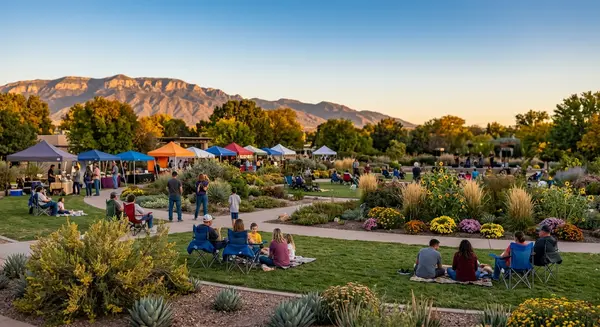
Then the Sandia Mountains turn pink at sunset on the first evening. The bosque trail in October produces the specific gold that no photograph adequately captures. The green chile comes out at the Frontier and it tastes like a place, not like a dish. And the remote worker who did the math stops running the numbers and starts living in a city that is specifically, irreplaceably itself.
That is why they are moving here. It is also why they are staying.
Ready to Make Albuquerque Your Remote Work Home Base?
Jenn & Vinay from The Rodgers Neighborhood Real Estate Group work extensively with remote worker buyers who are relocating from higher-cost markets — helping them find the specific Albuquerque neighborhoods that deliver the combination of home office space, reliable internet infrastructure, neighborhood walkability (or proximity to trails), and the specific after-work lifestyle that makes remote work genuinely sustainable rather than just financially efficient. If the income arbitrage math brought you to this conversation, the call is where the neighborhood discussion begins.
Jenn & Vinay Rodgers are Albuquerque's trusted real estate professionals with The Rodgers Neighborhood Real Estate Group, brokered by Real Broker, LLC, serving buyers and sellers across Albuquerque, Rio Rancho, Corrales, Los Lunas, Tijeras, Cedar Crest, Sandia Park, the East Mountains, Bernalillo County, Sandoval County, and surrounding New Mexico communities.
The Rodgers Neighborhood Real Estate Group
Jenn & Vinay Rodgers
Real Broker, LLC
Albuquerque, NM
📞 505-417-2733
🏠 Browse Albuquerque homes — find your remote work home baseCategories
- All Blogs (354)
- 2026 & Beyond for Real Estate (248)
- Doctors and Nurses looking for homes in NM (4)
- Guide to buying a home in NM (158)
- Health Care Heros (7)
- Home Upgrades (41)
- Jenn & Vinay your Local Real Estate Experts! (121)
- Moving to Albuquerque (135)
- Neighborhoods in Albuquerque NM (93)
- Rent or Own (2)
- Sellers Questions for Selling homes (2)
Recent Posts


GET MORE INFORMATION