
Why Albuquerque Real Estate for Retirement Is Gaining Attention in 2026
Why is Albuquerque real estate gaining so much attention from retirees right now?
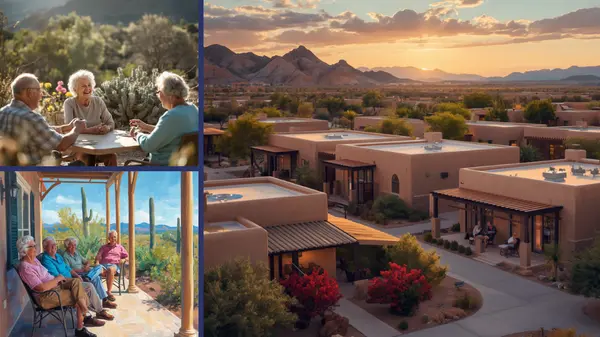
Albuquerque offers retirees a rare combination: a median home price 12% below the national average, 310+ days of sunshine, excellent hospital systems, and a stable market that isn't prone to wild price swings.
Why This Matters Right Now
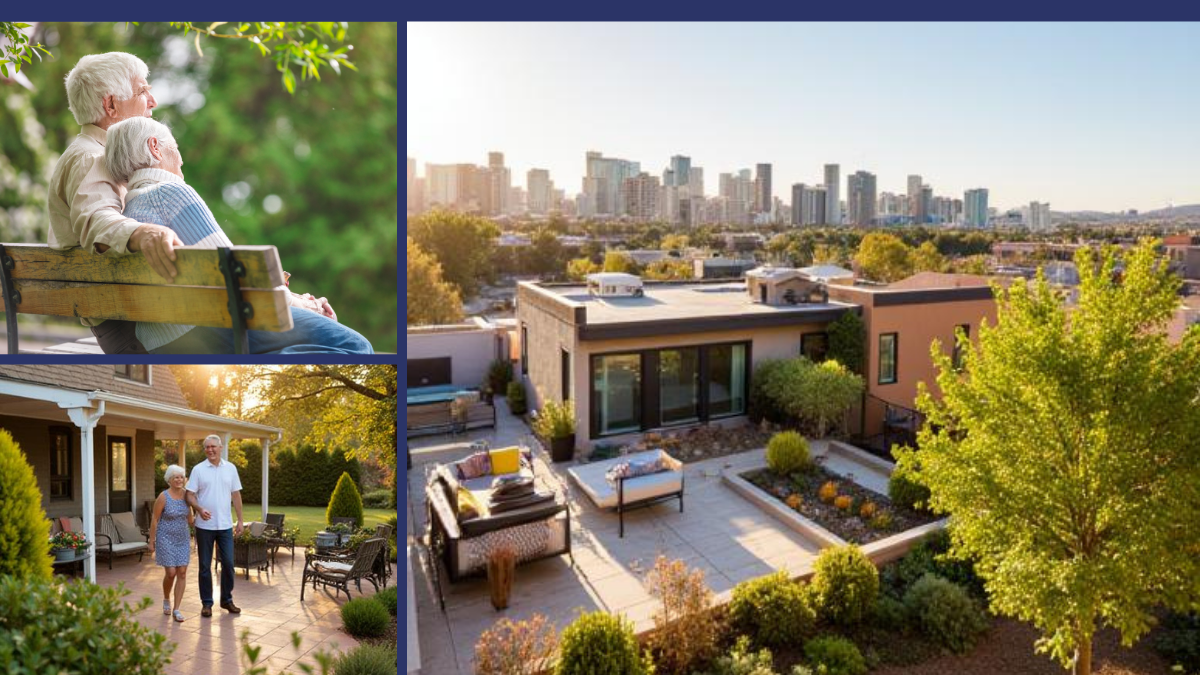
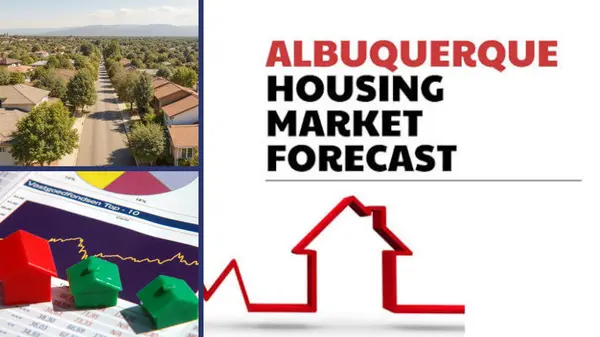
If you're approaching retirement, or you're already there, and you're dealing with a property that's become a financial burden, the timing of this conversation is important. Albuquerque's median home price reached $385,000 in August 2026, a 3.5% year-over-year gain. That's meaningful because prices here aren't crashing, and they aren't overheating either. Total price movement over the past 12 months has been less than $2,000 in either direction. For anyone on a fixed income, that kind of predictability is exactly what you need.
We see this firsthand every week. As the team behind The Rodgers Neighborhood Real Estate Group, with 12 years helping buyers and sellers across Albuquerque, we can tell you that retirees are arriving from Denver, Phoenix, and the West Coast in growing numbers. The reason is simple: Albuquerque's overall cost of living sits 4% lower than the national average, and you get genuine quality of life for that savings.
Albuquerque's Budget-Friendly Cost of Living Stretches Retirement Dollars
You've probably heard that your retirement savings need to last 25 to 30 years. Where you choose to live determines how fast those dollars disappear. In Albuquerque, the math works in your favor.
The median closing price across 3,396 sales tracked over the last six months was $361,545. The middle half of those sales closed between $298,000 and $465,000. That range gives you real options, whether you're downsizing from a larger home or purchasing your first retirement property with proceeds from selling elsewhere.
What does that actually mean for your daily life? It means a retiree selling a $700,000 home in a higher-cost market could buy a well-maintained Albuquerque property outright and still have a significant financial cushion. Median rent here is $1,310, which also matters if you're considering keeping a rental property as part of your retirement income strategy. New Mexico's largest city supports both long-term and short-term rental investing due to its growing tourism industry and relatively affordable entry points.
So how do you figure out which Albuquerque neighborhood actually fits your retirement lifestyle? That's where neighborhood-level knowledge becomes critical.
Best Albuquerque Neighborhoods for Retirees in 2026
Not every pocket of this city suits a retiree equally. Having closed over 250 transactions across the metro, we know the neighborhoods that consistently attract people entering this chapter of life, and we know the ones that quietly disappoint. Here are two that deserve your close attention.
Nob Hill: Walkability That Retirees Love
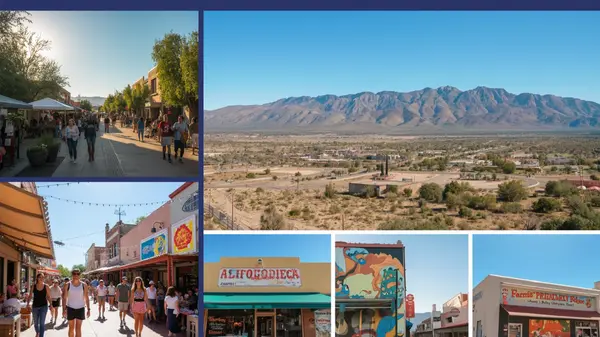
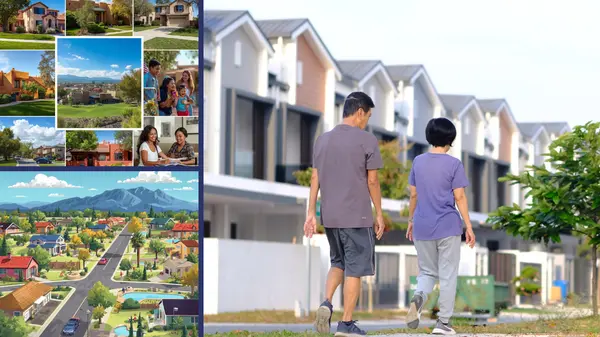
If you want to leave the car in the garage most days, Nob Hill is the neighborhood to explore. It earns the highest walkability score in all of Albuquerque. The heart of the neighborhood runs along Central Avenue (Historic Route 66) between Girard Boulevard and Washington Street. Over 300 businesses line the historic district, including restaurants, cafes, galleries, and breweries like Tractor Brewing Company.
Home prices here range from approximately $250,000 to $500,000. You'll find converted lofts, condos, and single-family pueblo bungalows. Entry-level condos can still be found under $280,000, which makes Nob Hill accessible for retirees who want character and convenience without overspending. Check out available homes in Nob Hill to see current inventory. ABQ Ride has eight stops in Nob Hill, making it one of the most transit-accessible neighborhoods in the city.
Walk Central on a Saturday afternoon and you'll smell roasting green chile from a food cart, pass a gallery opening, and stumble into a vintage record shop. It's the kind of neighborhood where daily life feels full without requiring a car or a packed calendar.
Northeast Albuquerque and Sandia Heights: Mountain Views and Medical Access
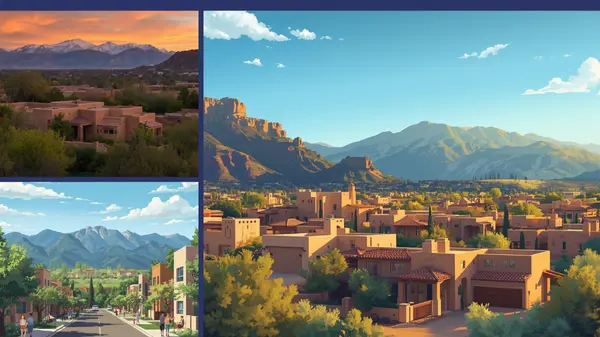
If your priorities lean toward quiet mornings with Sandia Mountain views and proximity to Albuquerque's major hospital campuses, the northeast corridor along Tramway Boulevard NE deserves your attention. The intersection of Paseo del Norte NE and Tramway Blvd is the gateway to the Sandia Heights and High Desert enclaves.
This area sits close to Presbyterian Hospital and UNM Health, two institutions that give Albuquerque its reputation for excellent medical access. For retirees managing ongoing health needs or simply wanting peace of mind, that proximity matters more than almost any other factor.
Well-priced homes in popular neighborhoods like Sandia Heights, High Desert, and North Albuquerque Acres can sell in under 20 days. High Desert averaged 3 offers per listing at its $825,000 median. That's the premium tier, but the broader northeast sector offers properties across a wide range.
Albuquerque's Stable Market Protects Your Retirement Investment
Here's something we tell every client considering a retirement purchase: a housing market crash in New Mexico remains unlikely in 2026. The state does not show widespread overbuilding or the high-risk lending conditions that typically precede major downturns. The more probable outcome is gradual price stabilization rather than a sharp correction.
The metro area still faces a housing shortage estimated at 13,000 to 28,000 homes below what is needed to meet demand. That structural undersupply protects your home value. When you buy in Albuquerque, you're not gambling on appreciation. You're buying into a market with real demand behind it.
With mortgage rates expected to remain in the 6% to 7% range, any rate decreases could actually trigger a surge in buyer demand, which would further support home values. For retirees buying with cash from a prior home sale, the current rate environment is less relevant, but it does mean your property's value is likely to hold.
Are you wondering what happens if you're currently in a tough financial spot with your existing home and still want to make this move? That's a situation we navigate regularly.
What Albuquerque Retirees Need to Know About Selling a Distressed Property First
Many of the retirees we work with aren't starting from a perfect financial position. Some are carrying a property that's become a burden, whether through deferred maintenance, missed payments, or simply a home that no longer fits their needs. If that sounds familiar, here's what you should know.
Albuquerque's market is operating at two distinct speeds. Well-priced, well-presented homes in desirable areas can sell in under two weeks with multiple offers. Overpriced or dated properties can sit for 60 to 90 days or longer. Buyers in the $400,000 to $550,000 range are negotiating an average of 3.7% below asking price, equivalent to roughly $17,800 on a $480,000 home.
That means your pricing and presentation strategy matters enormously. As one of our past clients shared: "Jennifer and Vinay were wonderful in helping us sell our home and find our forever home. We could not be happier with the service and knowledge they provided."
If you're facing foreclosure pressure, the situation isn't hopeless. Less than 1% of New Mexico properties with a mortgage are in some stage of foreclosure. The United South Broadway Corporation offers free, state-sponsored housing counseling and legal services to homeowners behind on mortgage payments. HUD-approved housing counselors are also available at no cost by calling 800-569-4287.
The key is acting before your options narrow. With home values holding steady, you likely have more equity than you think, and that equity can fund your retirement transition.
Albuquerque's Climate and Healthcare Make It a Retirement Standout
You can read cost-of-living spreadsheets all day, but the real draw of Albuquerque for retirement comes down to two things you can feel: the climate and the healthcare infrastructure.
The high-desert climate delivers 310+ days of sunshine annually. That's not a marketing number; it's what keeps retirees active outdoors year-round. The Paseo del Bosque Trail along the Rio Grande, the Sandia Peak Tramway, and neighborhood green spaces like Nob Hill Park at Morningside Dr NE all benefit from weather that cooperates almost every day.
On the healthcare side, Presbyterian Hospital and UNM Health anchor a medical ecosystem that serves the entire state. For retirees who prioritize access to specialists, surgical centers, and ongoing care management, Albuquerque provides metropolitan-level healthcare without metropolitan-level costs.
Rated 5 out of 5 stars by 20 past clients, we've built our practice around helping people like you navigate exactly these decisions, whether you're buying your retirement home, selling a property under pressure, or doing both at once.
Frequently Asked Questions
Is Albuquerque affordable enough for retirement on a fixed income?
Yes. Albuquerque's median sale price is 12% lower than the national average, and its overall cost of living is 4% below the national average. Homes in established neighborhoods like Nob Hill start under $280,000 for condos, giving retirees on fixed incomes real purchasing power that many comparable Southwest cities cannot match.
What is the median home price in Albuquerque in 2026?
Albuquerque's median home price reached $385,000 in August 2026, reflecting a 3.5% year-over-year gain. Across 3,396 closed sales tracked over the last six months, the median closing price was $361,545, with the middle half of sales closing between $298,000 and $465,000.
How stable is the Albuquerque housing market for retirees?
The market is remarkably stable. Total price movement over the past 12 months was less than $2,000. A housing market crash in New Mexico remains unlikely in 2026, and the metro faces a housing shortage of 13,000 to 28,000 homes, which supports long-term value retention.
What healthcare options are available for retirees in Albuquerque?
Albuquerque offers excellent medical access through institutions like Presbyterian Hospital and UNM Health. These systems provide comprehensive specialty care, surgical services, and ongoing health management that serve the entire state. Northeast Albuquerque neighborhoods sit especially close to these campuses.
Can I sell a distressed property in Albuquerque and still afford to retire here?
In many cases, yes. With home values holding steady and less than 1% of mortgaged properties in foreclosure, most homeowners still have equity. Selling a distressed property with the right pricing strategy can generate enough proceeds to transition into a more affordable retirement home within the same market.
What Albuquerque neighborhoods are best for retirees?
Nob Hill offers walkability and cultural richness at price points starting under $280,000. Northeast Albuquerque and the Sandia Heights area provide mountain views, quiet streets, and proximity to major hospitals. The right choice depends on whether you prioritize walkability or space and scenery.
How many days of sunshine does Albuquerque get per year?
Albuquerque averages 310+ days of sunshine annually. The high-desert climate supports outdoor activity year-round, which is a significant quality-of-life factor for active retirees who want to stay engaged with hiking, walking, and community events.
Are there assistance programs for distressed homeowners in Albuquerque?
The United South Broadway Corporation offers free, state-sponsored housing counseling and legal services. HUD-approved housing counselors are available at no cost by calling 800-569-4287. The New Mexico Homeowner Assistance Fund has closed, but other loss mitigation options through your loan servicer may still be available.
Is now a good time to buy retirement property in Albuquerque?
Current conditions favor careful buyers. Inventory sits at 1,978 active homes, and price reductions are appearing on 47.3% of active listings. Mortgage rates in the 6% to 7% range mean cash buyers or those with significant down payments are especially well positioned.
How do Albuquerque property taxes compare to other retirement destinations?
New Mexico offers relatively favorable property tax rates compared to many Western states, which benefits retirees on fixed incomes. Combined with the 4% lower overall cost of living, your monthly carrying costs in Albuquerque stretch further than in comparable markets like Denver or Phoenix.
The Bottom Line
Albuquerque, New Mexico is earning its place on the retirement radar for real, measurable reasons: a median home price 12% below the national average, 310+ days of sunshine, excellent medical institutions like Presbyterian Hospital and UNM Health, and a stable market that protects your investment. Whether you're selling a distressed property and transitioning into something more manageable, or purchasing your retirement home with proceeds from another market, this city gives you options that most comparable destinations simply cannot.
We're Jenn and Vinay Rodgers with The Rodgers Neighborhood Real Estate Group, and we specialize in helping people navigate exactly these transitions. With 12 years of local experience, 250 closed transactions, and recognition as top 5% producers, we're here to help you figure out your next move. Give us a call at 505-417-2733 or visit us at 4800 Juan Tabo Blvd NE Ste D, Albuquerque, NM 87111. Your retirement chapter in New Mexico starts with a conversation.
Categories
- All Blogs (312)
- 2026 & Beyond for Real Estate (208)
- Doctors and Nurses looking for homes in NM (4)
- Guide to buying a home in NM (145)
- Health Care Heros (7)
- Home Upgrades (35)
- Jenn & Vinay your Local Real Estate Experts! (104)
- Moving to Albuquerque (123)
- Neighborhoods in Albuquerque NM (82)
- Rent or Own (2)
- Sellers Questions for Selling homes (2)
Recent Posts



GET MORE INFORMATION