
Where Albuquerque's Fastest-Growing Neighborhoods Are Headed Next
DISCLAIMER: Neighborhood appreciation forecasts involve genuine uncertainty. Past appreciation is not a guarantee of future returns. Real estate investment decisions should be made based on individual financial circumstances and in consultation with qualified professionals. We are not financial advisors.
Understanding where Albuquerque's fastest-growing neighborhoods are headed next requires two separate analyses: where the current fastest appreciators are and whether that pace is sustainable, and where the next wave of appreciation is being set up by the structural forces of infrastructure investment, employment growth, and price spillover from established premium areas. This guide covers both.
The Forces That Drive Neighborhood Appreciation in Albuquerque
Before the neighborhood analysis: the forces that consistently predict Albuquerque neighborhood appreciation. Neighborhoods that are accumulating these characteristics are positioned for future appreciation; neighborhoods that have already accumulated them are in their current appreciation phase.
- Infrastructure investment (transit, roads, parks, utilities): The ART Bus Rapid Transit corridor on Central Avenue is the most visible current example — neighborhoods that received ART access have seen measurable appreciation relative to similar neighborhoods off the corridor. The pattern is consistent nationally: public infrastructure investment signals that the municipality sees a neighborhood's future value and is willing to invest in it.
- Anchor institution arrival (Sawmill Market, Netflix campus, new fire station): When a significant anchor — a popular market, a major employer, a cultural institution — locates in a neighborhood, it signals viability and brings the supporting retail, residential, and service investment that follows. The Sawmill Market's 2017 opening in the Sawmill District produced measurable appreciation in the surrounding blocks.
- Price spillover from adjacent premium neighborhoods: When a premium neighborhood reaches a price ceiling that prices out entry-level buyers who specifically want that neighborhood's character, buyers overflow into the adjacent lower-priced neighborhood. Nob Hill price growth consistently spills into Los Duranes and the adjacent areas. La Cueva zone price growth creates demand for the Eldorado zone. Appreciation propagates outward from the premium core.
- Employment creation within commute distance: New employers — Intel's CHIPS Act expansion, Netflix's 300-acre campus, Castelion aerospace — create residential demand in the neighborhoods that offer the best commute-to-cost ratios relative to the employment center. The neighborhoods that offer proximity to new employment at below-median prices capture the first wave of workforce housing demand.
- Protected open space adjacency: Neighborhoods adjacent to land that cannot be developed — the Sandia Mountain Wilderness, Petroglyph National Monument, the Rio Grande bosque — have a structural supply constraint that sustains and increases their premium over time. Unlike neighborhoods adjacent to undeveloped private land, these neighborhoods cannot be compressed by future development.
The Current Leaders — Where the Fastest Appreciation Is Happening Now
"Neighborhoods on the cusp of development, such as Sawmill and Wells Park, are catching the attention of investors and first-time homebuyers. They strike a balance between affordability and potential for growth, underlined by improvements in transportation and commercial investments. Areas with enhanced connectivity, like those near the Albuquerque Rapid Transit line, appeal to professionals coveting easier commute options. Such emerging neighborhoods are poised to transform with infusions of both public and private investments," confirmed Steadily's January 2026 Albuquerque real estate market analysis.
Downtown / EDo — +23.16% Q1 2026, the Fastest Single-Neighborhood Rate
Downtown Albuquerque and the East Downtown (EDo) corridor produced the highest single-neighborhood appreciation rate in the Albuquerque market in Q1 2026: +23.16% year-over-year. This rate reflects a neighborhood in the early-to-middle phase of its appreciation cycle — below-median purchase prices combining with accelerating demand from the loft-and-condo buyer demographic.
- Why Downtown is still early in its cycle: The Downtown price floor remains significantly below the citywide median ($241,332 per Ownwell for 87102 ZIP). Despite the 23.16% Q1 appreciation rate, Downtown Albuquerque is not priced out — which means the appreciation trajectory has room to continue before buyer access compression occurs.
- The drivers continuing into 2027: The EDo hotel and boutique lodging development, the Rail Yards redevelopment project, Innovate ABQ's entrepreneurial ecosystem at the Frontier Building, and the increasing density of chef-driven and independent restaurant concepts that are specifically choosing Downtown locations. Each arrival raises the neighborhood's profile and expands the buyer pool.
- The risk factor: Downtown appreciation at 23% pace is not sustainable indefinitely. The rate reflects a low base; as the base rises, the percentage appreciation typically moderates. Buyers entering Downtown in 2026 are not buying at the beginning of this cycle — they are in the middle. The question is whether the remaining appreciation runway is sufficient for their specific investment horizon.
Sandia Heights — +14.5% Q1 2026, the Luxury Tier Accelerating
Sandia Heights, above High Desert at the base of the Sandia Mountains, produced +14.5% year-over-year appreciation in Q1 2026 — the second highest single-neighborhood rate identified in the Albuquerque market. The Sandia Heights trajectory reflects the premium mountain-base luxury segment's sustained demand from out-of-state buyers with California and Texas equity.
- Why Sandia Heights appreciation continues: The Sandia Mountain Wilderness adjacency creates the protected open space premium — homes at the base of a federally designated wilderness area cannot be compressed by future residential development above them. This permanent supply constraint sustains the premium indefinitely.
- The out-of-state buyer effect: Buyers from California and Texas arriving with significant equity from higher-priced origin markets specifically target Sandia Heights for its combination of mountain access and price relativity (a $900,000 Sandia Heights home represents significant value to a buyer from a market where comparable properties are $2M+).
North Albuquerque Acres — +10.32% Q1 2026, the Premium Zone Sustained
North Albuquerque Acres (87122), with its La Cueva school zone, one-acre minimum lots, well-and-septic infrastructure, and established professional community, produced +10.32% year-over-year appreciation in Q1 2026. The $855,000 median in this zone reflects the school zone premium, the lot size premium, and the specific character of a neighborhood that has been the address of choice for Sandia Labs senior scientists and engineers for 40+ years.
The Emerging Neighborhoods — Where the Next Appreciation Wave Is Building
These neighborhoods are not currently leading the appreciation rankings. They are accumulating the structural characteristics that produced the current leaders' appreciation in the 5-7 years before the appreciation accelerated.
Wells Park and Los Duranes — The Nob Hill Price Spillover Destination
"The city is pouring money into the Albuquerque Rapid Transit corridor extensions here. It's the last neighborhood on the grid to see major appreciation before it gets priced out like Nob Hill. Gentrification has firmly planted its flag in Nob Hill and is creeping aggressively into Los Duranes and the Historic District near Old Town," confirmed an independent Albuquerque neighborhood analysis (2026).
Wells Park and Los Duranes occupy the specific geographic position that historically produces the next wave of appreciation in Albuquerque: directly adjacent to Nob Hill (the city's most walkable and highest Walk Score neighborhood) and directly in the path of the price spillover that occurs when Nob Hill buyers are priced out of Nob Hill and search for the same character at lower cost.
- The price gap that creates the opportunity: Wells Park and Los Duranes homes are priced significantly below comparable Nob Hill homes — in some cases $50,000-$100,000 below the equivalent square footage in Nob Hill proper. This gap is the appreciation runway: as Nob Hill continues to appreciate, the gap motivates buyer displacement into Wells Park/Los Duranes, narrowing the discount and producing appreciation.
- The Sawmill Market anchor: The Sawmill Market at 1909 Bellamah Ave NW is the anchor institution for the Wells Park-adjacent area — a food hall and event venue that draws the creative class and food-motivated buyer demographic that is associated with neighborhood appreciation in every American city where this pattern has played out.
- The ART corridor investment: The ART bus corridor investments in the Wells Park and Los Duranes area include infrastructure improvements that signal municipal commitment to the area's future. The bus rapid transit infrastructure is the physical expression of the city's expectation that this corridor will grow in residential and commercial density.
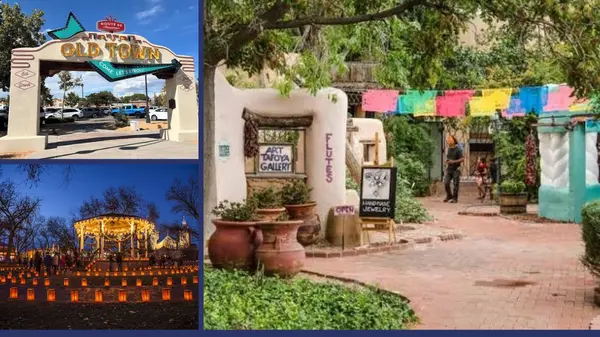
- The Old Town adjacency: Los Duranes's proximity to Old Town gives it access to the museum cluster, the Friday evening Old Town concert series, and the cultural amenity density that Nob Hill buyers specifically value. The historic district character of the streets adjacent to Old Town adds the architectural preservation premium that the generic strip of Los Duranes proper does not yet reflect.
- The timeline estimate: 3-7 years for measurable price compression of the Nob Hill/Wells Park gap, depending on Nob Hill appreciation pace and broader market conditions. The buyers entering Wells Park and Los Duranes in 2026 are specifically early in the spillover cycle.
Mesa del Sol — The Master-Planned Community Reaching Critical Mass
Mesa del Sol on Albuquerque's southeast side is the most discussed emerging neighborhood in the 2026 Albuquerque market — a master-planned community that has been in development for over 20 years and is now, finally, accumulating the critical mass of residential, commercial, and employment density that makes master-planned communities valuable.
- The Netflix 300-acre campus adjacency: Albuquerque Studios and the Netflix expansion in the southeast quadrant specifically serve the employment base that would most naturally live in Mesa del Sol — entertainment industry professionals, production staff, and the technical workers associated with a major media production campus. The employment is being created adjacent to the residential inventory.
- The infrastructure signals: A new fire station allocation in Mesa del Sol is the specific type of municipal infrastructure investment that signals long-term commitment to the community's viability. When a city builds a fire station in a neighborhood, it is making a 50-year infrastructure commitment to that address.
- The mixed-use development pipeline: New retail and dining destinations in Mesa del Sol are reducing the car-dependency that has historically made the community feel more isolated than its distance from central Albuquerque would suggest. Each retail arrival reduces the friction of daily life in Mesa del Sol and expands its buyer pool.
- The risk factor: Mesa del Sol's appreciation is specifically dependent on the employment growth materializing at the adjacent studios and Netflix campus, and on the retail development delivering on the timeline that has been announced. Both of these are more uncertain than the Nob Hill price spillover mechanism in Wells Park — which is driven by an already-established premium neighborhood's price trajectory.
Volcano Cliffs and the Northwest Westside — Protected Land Adjacency + New Development
The Volcano Cliffs neighborhood on Albuquerque's northwest side occupies the specific position that historically produces sustained long-term appreciation: adjacency to protected land that can never be developed. Petroglyph National Monument's 7,244 acres on the West Mesa volcanic escarpment permanently limits the density that can develop immediately west of the Volcano Cliffs neighborhood.
- The protected land premium: Homes adjacent to Petroglyph National Monument are adjacent to land that is federally protected from development in perpetuity. The supply constraint this creates — no residential development will ever occupy the monument land — specifically sustains the open space premium permanently. This is categorically different from adjacency to undeveloped private land, which can be developed and eliminate the open space premium.
- The new school infrastructure: Newer school infrastructure in the Volcano Cliffs area serves the family buyer demographic that drives sustained residential demand. The school quality in the western APS zones has been improving as the population density has grown.
- The I-40 access for remote workers: The Volcano Cliffs area's I-40 access makes it specifically suitable for remote workers who commute 2-3 days per week to Albuquerque employment centers — the demographic that values space, open land adjacency, and a lower price point over urban walkability.
Rio Rancho / Intel CHIPS Act Corridor — Employment-Driven Growth
Rio Rancho's growth trajectory in 2026-2030 is specifically anchored in Intel's CHIPS Act investment — the $7.86 billion committed manufacturing expansion that will create thousands of high-wage professional jobs in the Rio Rancho/northwest metro corridor over the next 5-10 years.
- The employment-to-housing demand trajectory: Each new Intel manufacturing job brings associated residential demand — the worker, their family, and the supporting service workers who follow. The CHIPS Act expansion's hiring timeline produces a predictable wave of residential demand in the Rio Rancho market.
- The price point opportunity: Rio Rancho new construction starting at $240,000-$280,000 is specifically accessible for the workforce that Intel manufacturing hires — engineers, technicians, and production staff who need affordable housing near the employment campus. This specific match of employment to housing at the right price point is the most favorable appreciation setup available in the greater Albuquerque market.
- The Sandoval County tax advantage: Rio Rancho's Sandoval County effective property tax rate of 0.71% vs. Bernalillo County's 0.84% specifically reduces the annual carrying cost for investment properties in this market, improving the rental yield profile for investors who are positioning for Intel-adjacent rental demand.
The Westside Boom — Tract Housing for the Commuter Family
The northwest Westside of Albuquerque — the area along Paseo del Norte past Unser Boulevard and into the newer master-planned residential developments — is experiencing the sustained residential growth driven by families who prioritize new construction, lower prices, and larger homes over urban walkability.
- The Westside driver: New construction at accessible price points ($280,000-$380,000) for 3-4 bedroom single-family homes attracts the family buyer who cannot afford comparable new construction at this price in the Northeast Heights and does not require urban amenity access for daily life.
- The I-25 commuter access: I-25 north of the Paseo del Norte interchange provides 20-25 minute commute access to the Northeast Heights employment corridor for Westside residents. The specific commute trade-off that drives Westside growth: lower home prices + longer commute.
- The appreciation trajectory: Westside appreciation is typically slower per year than urban core neighborhoods but more stable — driven by demographic demand (family formation) rather than gentrification dynamics. The buyer who enters the Westside in 2026 is buying a stable appreciation trajectory rather than an accelerated one.
The Forecast — Where Appreciation Is Headed in 2027-2030
- Downtown/EDo (current +23.16%): Appreciation rate will moderate as the base rises. Estimate 8-15% annually through 2027-2028 before converging toward the citywide average. Still above-average but not maintaining the current pace.
- Sandia Heights (current +14.5%): Protected land adjacency sustains the premium permanently. Estimate 8-12% annually through 2027-2030 as the luxury tier continues to attract California and Texas equity buyers.
- Wells Park / Los Duranes (current below-average): As the Nob Hill price spillover intensifies, estimate 10-18% annually for the 2027-2029 period — above the citywide average — before stabilizing as the Nob Hill/Wells Park price gap narrows.
- Mesa del Sol (current early stage): If Netflix campus employment materializes on schedule, estimate 8-14% annually through 2027-2030. If delayed, appreciation reverts toward citywide average until the employment anchor arrives.
- Rio Rancho Intel corridor (current steady): As Intel hiring ramps through 2027-2029, estimate 8-12% annually in the Intel-proximate Rio Rancho neighborhoods, potentially higher for rental properties positioned for Intel workforce housing demand.
- Volcano Cliffs / Northwest (current steady): Sustained 5-9% annually — a stable, below-average trajectory driven by the protected land premium and the remote worker demographic. Not the fastest, but the most structurally protected.
For the complete guide to Albuquerque neighborhoods currently appreciating fastest — with the Q1 2026 data for each identified zone — our post on Albuquerque neighborhoods appreciating fastest in 2026 covers the current appreciation leaders. And for the analysis of the best Albuquerque areas for future real estate growth — organized by the specific structural drivers — our post on the best Albuquerque areas for future real estate growth covers the forward-looking growth analysis.
The Bottom Line — Early Positioning Is the Only Way to Capture Appreciation
The buyer who purchases in Downtown/EDo today is buying into an appreciation cycle that is already in progress — at rates that are already elevated from the pre-cycle baseline. The appreciation is real and should continue, but the return is what the middle of the cycle produces, not what the beginning of the cycle produced.
The buyer who positions in Wells Park or Los Duranes in 2026 is specifically buying before the Nob Hill price spillover produces its most visible appreciation effect. The buyer who positions in Rio Rancho's Intel-adjacent neighborhoods in 2026 is buying before Intel's hiring ramp produces the workforce housing demand that will compress available inventory and push prices. The buyer who positions in Mesa del Sol in 2026 is buying before the Netflix campus employment is fully operational and before the mixed-use retail reduces the community's isolation premium.
Early positioning in the right cycle produces the most appreciation per dollar invested. The neighborhoods in this guide that are currently in their early appreciation phase — Wells Park, Rio Rancho Intel corridor, Volcano Cliffs — are the ones where the structural setup exists and the most appreciation runway remains. Whether any individual buyer captures that runway depends on the holding period, the specific property, and the market conditions that unfold. But the structural setup for above-average appreciation in each of these areas is the most favorable in the Albuquerque market in 2026.
Want Help Identifying the Right Neighborhood for Your Albuquerque Investment or Purchase?
Jenn & Vinay from The Rodgers Neighborhood Real Estate Group track neighborhood-level appreciation data, monitor infrastructure investment signals, and evaluate the specific structural forces that predict appreciation in each Albuquerque area. Whether you are a first-time buyer looking for the neighborhood that gives you the best appreciation foundation for the money you can spend, or an investor evaluating where the next 5-year opportunity is building, the conversation about Albuquerque's neighborhood trajectory starts with a call.
Jenn & Vinay Rodgers are Albuquerque's trusted real estate professionals with The Rodgers Neighborhood Real Estate Group, brokered by Real Broker, LLC, serving buyers and sellers across Albuquerque, Rio Rancho, Corrales, Los Lunas, Tijeras, Cedar Crest, Sandia Park, the East Mountains, Bernalillo County, Sandoval County, and surrounding New Mexico communities.
The Rodgers Neighborhood Real Estate Group
Jenn & Vinay Rodgers
Real Broker, LLC
Albuquerque, NM
📞 505-417-2733
🏠 Browse homes in Albuquerque's fastest-appreciating neighborhoodsCategories
- All Blogs (343)
- 2026 & Beyond for Real Estate (238)
- Doctors and Nurses looking for homes in NM (4)
- Guide to buying a home in NM (153)
- Health Care Heros (7)
- Home Upgrades (40)
- Jenn & Vinay your Local Real Estate Experts! (118)
- Moving to Albuquerque (132)
- Neighborhoods in Albuquerque NM (92)
- Rent or Own (2)
- Sellers Questions for Selling homes (2)
Recent Posts


GET MORE INFORMATION