

What Should I Know About Staging My Home? — The Complete 2026 Guide for Albuquerque Sellers
Home staging is one of the most misunderstood tools in a seller's arsenal — simultaneously overhyped ("stage everything perfectly and you will get 25% more!") and underused ("my home looks fine, I don't need it"). The reality is more nuanced and more practically useful than either extreme suggests. This guide covers what home staging actually is, what the current data says about its ROI, what to prioritize in an Albuquerque home specifically, and the common mistakes that cost sellers more than the staging would have.
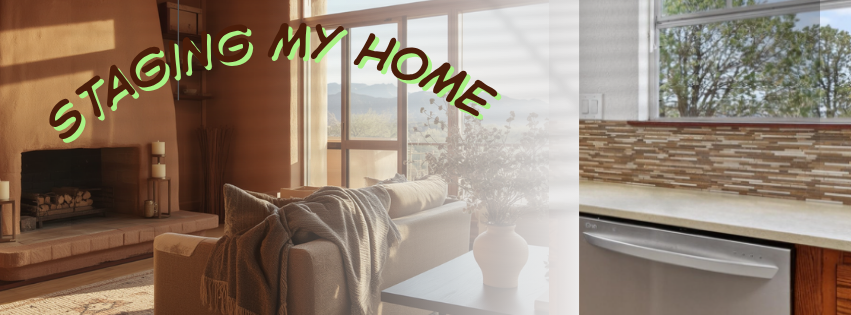
What Staging Actually Is — and What It Is Not
Staging is the professional practice of preparing a home for sale by arranging, removing, adding, and presenting the space to maximize a buyer's ability to visualize living there. This is categorically different from decorating.
Decorating expresses the homeowner's personality. Staging suppresses it.
This distinction matters because the most common staging error is treating staging as an extension of your personal taste. The homeowner who stages by adding their favorite objects, displaying their family photos in artful arrangements, and placing items they personally find welcoming has not staged for the buyer — they have decorated for themselves. Effective staging removes the specific visual cues that identify the space as yours and replaces them with the neutral, aspirational visual cues that allow the buyer to project their own life into the space.
The ROI Math — What Staging Actually Produces
"Staged homes can sell for more money: 19% of sellers' agents report 1–5% higher offers, and 10% report 6–10% higher offers. Staging also improves selling speed: about 49% of sellers' agents say staging reduces days on market. With an average staging cost of $1,849, the potential return can far exceed the upfront investment," confirmed RubyHome's 2026 home staging statistics analysis (February 2026). On a $355,000 Albuquerque median home, a 1-5% offer increase translates to $3,550-$17,750 more at closing — a return of 1.9x to 9.6x the $1,849 average staging cost.
The data picture across multiple 2026 sources:
- 73% less time on market: Staged homes reduced time from approximately 52 days on market to 29-31 days — meaningful in a market where the first two weeks on market determine whether a home is perceived as desirable or stale.
- 83% of buyers' agents agree: Staging made it easier for buyers to visualize the property as their future home. Visualization ease is directly correlated with offer speed and offer confidence.
- RESA Q3 2025 data: Staged homes achieved an average 109% sale-to-list ratio — meaning staged homes sold for more than asking price on average, versus the 96-97% of asking price that non-staged homes achieved in the same period.
- 90% more online clicks: Staged listing photos received 90% more click-through rates versus empty room photos. With 96% of buyers beginning their home search online, the listing photo performance gap between staged and non-staged homes determines how many showings are generated before a single buyer walks through the door.
The staging investment math for Albuquerque specifically: at the $355,000 median price and an average staging cost of 0.5-1% of listing price ($1,775-$3,550), a 1-3% price improvement from staging produces a return of 1.5x to 5x the staging cost. The argument against staging must overcome this math — and rarely does, when the staging is done correctly.
The Three Staging Options — Which Is Right for Your Home
Option 1 — DIY / Seller-Staged
Cost: $200-$1,000 for rented accessories, cleaning products, touch-up paint | Best for: Well-maintained, already decluttered homes where the primary staging need is rearrangement and styling rather than furniture replacement
DIY staging can be highly effective when the seller has good design instincts and the home's existing furniture and condition are strong. The preparation steps covered later in this guide — decluttering, deep cleaning, depersonalizing, touch-up painting — are the same whether you hire a professional or stage yourself. The difference is in the furniture arrangement, accessory selection, and the trained eye for what reads well in listing photography versus what looks good in person.
The limitation: most sellers are too close to their own home to see it through a buyer's eyes. The couch you have always had against that wall is there because you like it there — but it may be blocking the entry sightline that defines the first impression in listing photos. A professional staging consultation (even a single 2-hour paid session) can identify the specific changes that DIY staging misses.
Option 2 — Staging Consultation / Partial Professional
Cost: $300-$800 for a professional consultation | Best for: Sellers who will do the work themselves but want professional direction
A staging consultation brings a professional stager into the home for 1-3 hours to assess every room and provide a specific written action plan: what to remove, what to add, how to arrange furniture, what repairs are visible, what photography considerations exist. The seller then executes the plan themselves.
This is the best value staging option for most Albuquerque sellers — the professional eye identifies what to change, the seller does the work, and the total cost is a fraction of full-service staging while capturing most of the benefit.
Option 3 — Full Professional Staging
Cost: $1,500-$5,000+ for furniture rental and installation | Best for: Vacant homes, homes with dated or damaged furniture, premium-priced listings
Full professional staging brings the stager's own furniture, art, accessories, and styling into the home — either replacing the seller's furniture entirely (vacant staging) or supplementing it (occupied staging). This is the highest-cost and highest-impact option.
The specific case for full professional staging in Albuquerque: vacant homes are the clearest beneficiary. Empty rooms photograph poorly because buyers cannot judge scale, flow, or function. The Albuquerque buyer looking at an empty 14x16 living room cannot tell whether their 9-foot sofa will fit. The same room staged with a properly scaled sofa, two chairs, a coffee table, and art answers the question instantly.
Before Staging — The Preparation That Must Come First
Staging cannot compensate for inadequate preparation. The sequence is non-negotiable: prepare, then stage. Staging a home that has not been prepared is applying cosmetics over a condition problem that buyers will discover at the showing or inspection.
Step 1 — Declutter Aggressively
The most impactful single staging action is also the most free: remove everything you do not need the home to contain. Pack personal items and move them to storage. Every visible surface — countertops, shelves, mantels, windowsills — should hold approximately one-third of what it currently holds.
The declutter standard: if a buyer's eye could land on it and process it as belonging to you rather than the house, it should be removed. Family photos, personal collections, books with visible titles, pet accessories, children's artwork, refrigerator magnets — all of it leaves the visual field. This is not about the items themselves; it is about the buyer's ability to project their own family into the space rather than feeling like a visitor in yours.
Step 2 — Deep Clean Beyond Normal Clean
Professional-level cleaning is staging's most cost-effective single investment. A home that is physically spotless signals to the buyer that it has been meticulously maintained — and buyers who believe a home has been maintained will look less aggressively for expensive hidden problems. A home that shows any level of cleaning neglect (baseboards, light switches, window tracks, grout lines, exhaust fans) creates the opposite signal: if this is what they allowed to show, what have they ignored that I cannot see?
Budget for professional cleaning even if you plan to clean yourself afterward. The professional cleaning baseline plus seller touch-up is more thorough than seller-only cleaning, and listing photos taken after professional cleaning show significantly better than photos taken before.
Step 3 — Repair Visible Defects
Staging cannot cover condition problems — buyers and inspectors will find them, and they will use them as negotiating tools. The 2026 Albuquerque buyer specifically wants "buttoned up" — any visible deferred maintenance signals a home that has not been properly maintained. Address:
- Touch-up paint: Every scuff, mark, nick, and color inconsistency on walls, baseboards, and trim. Fresh paint is the highest-ROI single cosmetic improvement available — transformative in listing photos and in-person.
- Hardware: Cabinet pulls, door handles, faucets, light switch covers. Mismatched or dated hardware reads as neglect. Replacing all hardware in a kitchen costs $200-$400 and reads as an update in listing photos.
- Caulking: Shower, tub, sink, and window caulking that has turned gray, shrunk, or separated must be addressed. Clean white caulking reads as maintained; deteriorated caulking reads as neglected.
- Functional issues: Dripping faucets, sticky doors, broken blinds, burned-out light bulbs. None of these are expensive to fix; all of them read as problems to the 2026 buyer who is looking for reasons to negotiate.
The Room-by-Room Staging Priority
Not all rooms have equal staging impact. The national staging data (Home Staging Institute, 2026) confirms the priority order. In Albuquerque, there are specific additions to the standard list:
Priority 1 — The Living Room (91% of professional stagers focus here first)
The living room is the buyer's first and most impactful room — the space where they make the primary emotional decision about whether they want to live in the home. Staging priorities:
- Furniture arrangement for flow: Place seating to create conversation groupings rather than theater-style facing the TV. Furniture should define the space's function clearly and allow unobstructed traffic flow.
- Scale down if overcrowded: Remove one piece of furniture if the room feels congested. Spaciousness reads as value; cramped reads as small.
- Natural light maximization: In Albuquerque's clear-sky climate, natural light is an asset that should be maximized in staging. Remove heavy drapes, clean windows inside and out, and leave all blinds fully open for photos and showings. Natural light is more valuable in listing photos than any artificial lighting upgrade.
- The Albuquerque-specific feature: the kiva fireplace: If the living room has a kiva fireplace — the most distinctively New Mexican interior feature — stage it as the focal point rather than positioning the TV as the primary visual anchor. Clean the hearth, arrange decorative logs or candles, and let the kiva be the room's defining element. Out-of-state buyers specifically respond to the adobe character that the kiva represents.
Priority 2 — The Primary Bedroom (83% of stagers focus here)
The primary bedroom staging goal is aspirational — this should feel like a hotel suite experience, not a personal space.
- The bed must be centered and dressed: Clean, pressed white or neutral bedding with a quality duvet or comforter. Pillows arranged symmetrically. No personal pillows, decorative pillows that are obviously personal, or unmade presentation.
- Nightstands on both sides: Symmetry in the bedroom reads as intentional and spacious. A single nightstand suggests the room cannot fit two — which the buyer may interpret as a scale problem even if it is a furniture choice.
- Clear all personal items: Prescription bottles, personal photos, clothing on chairs, phone chargers on nightstands — all of it leaves the room. The buyer needs to see the room, not the occupant.
Priority 3 — The Dining Room (69% of stagers focus here)
Dining room staging answers a specific buyer question: can my furniture and my dinner parties fit here? A properly staged dining room — table dressed with a runner or centerpiece, chairs evenly spaced, lighting at appropriate height — establishes scale and function clearly.
Priority 4 (Albuquerque-Specific) — The Outdoor Living Space
Nationally, outdoor staging is a secondary priority. In Albuquerque, with 310 days of sunshine making the portal or patio genuinely usable 10 months of the year, outdoor staging is priority 4 rather than an afterthought. The buyer who sees a staged, inviting outdoor space — a small table and chairs, potted desert plants, string lights — understands immediately that they are buying an extension of the home's living area, not just a yard.
- Clean and sweep every surface: Swept concrete or flagstone, cleaned furniture cushions, no dead plants or dried leaves.
- Define the outdoor furniture grouping: A small bistro table with two chairs, or a defined conversation area with a loveseat and coffee table, answers the scale question and establishes the lifestyle use of the space.
- Mountain view framing: If the property has east-facing outdoor space with Sandia Mountain views, stage the outdoor seating to face the mountains. The buyer sitting in the staged chair looks at the mountains — which is the exact lifestyle image that out-of-state buyers are specifically purchasing.
- Desert-appropriate plants: Potted succulents, agave, or other desert-appropriate plants that require minimal water and look seasonally appropriate. A lush green garden that requires constant irrigation reads as high-maintenance in a water-conservation conscious market.
Priority 5 — The Kitchen
- Counter surfaces: Remove every appliance, every paper, every personal item. Leave one or two functional items maximum (a coffee maker if it is new and attractive, a bowl of seasonal fruit). Bare counters photograph smaller; single curated items photograph better than clutter but better than empty.
- The refrigerator front: Remove everything. Magnets, photos, schedules, children's artwork — all of it. The refrigerator front is the most personal surface in any home and the most likely to break the visualization spell for the buyer.
- Hardware and fixtures: Replaced mismatched or dated hardware. New hardware on existing cabinet boxes is the highest-ROI kitchen update available without renovation.
Priority 6 — Curb Appeal and the Entry (The First 10 Seconds)
The buyer's emotional first impression is formed in the first 10 seconds of approaching the home — before they reach the front door. Once that impression is formed, it frames every subsequent perception inside the house. Positive curb appeal makes buyers more forgiving of minor interior imperfections; negative curb appeal makes them look harder for problems once inside.
- Exterior paint: Fresh paint on the front door at minimum. The front door is the most photographed exterior element and the buyer's first touch point with the home.
- Desert landscaping, clean and defined: Weeded gravel or xeriscape, edged beds, no dead plants, no overgrown vegetation blocking windows or the front path.
- New house numbers: Modern brushed metal or black house numbers are an $20-$50 investment that upgrades the exterior presentation instantly.
- Clean the driveway and walkway: Pressure-washed driveway, swept walkway, no tire marks, no oil stains. First impressions include the hardscape approach to the home.
The Albuquerque-Specific Staging Considerations
Honor the Desert Aesthetic — Do Not Stage Against It
The most common staging mistake in Albuquerque homes is staging with generic national staging aesthetics — all-white, minimalist Scandinavian, or coastal-style — in a home with adobe walls, saltillo tile, vigas, and a kiva fireplace. This contrast reads as awkward and potentially signals to the buyer that the seller (and the stager) did not understand or value the home's character.
Staging that honors the New Mexican architectural character — warm terracotta and desert sand tones, natural textile throws in Southwestern patterns, copper or hammered metal accessories, clean wood elements that complement the vigas — performs better in Albuquerque's market with the out-of-state buyer demographic than generic staging. The California buyer who moved to Albuquerque for the character does not want their showing to feel like a staged California condo.
Natural Light Is Your Best Tool in This Climate
Albuquerque's clear-sky desert light is one of the most compelling natural features a home can offer — and most sellers underuse it in staging. Every window should be clean, every window treatment should be open at maximum, and artificial lighting should supplement rather than replace the natural light.
For listing photos specifically: schedule the photographer for the time of day when natural light enters the home's most important rooms most favorably. East-facing rooms photograph best in morning; west-facing rooms photograph best in afternoon. Knowing which rooms face which direction and scheduling photos accordingly is the single most cost-free listing photo optimization available.
Frame the Mountain View, Do Not Cover It
If the home has east-facing windows with Sandia Mountain views — the specific premium feature documented across every Albuquerque buyer preference study — staging should maximize rather than obstruct that view. Do not place tall furniture against east-facing windows. Do not hang heavy drapes across the mountain view window. Pull furniture away from the window to create a clear sightline from the entry to the view. The buyer who walks in and immediately sees the mountains in the background has already made an emotional connection that no amount of interior staging can produce.
Virtual Staging — The Albuquerque Seller's Budget-Smart Option
"Virtual staging costs 95% less than physical staging. Virtually staged homes achieve 98.5-99% of asking prices, compared to 96-97% for unstaged properties. Staged listings see a 90% increase in click-through rates," confirmed the Home Staging Institute's 2026 staging statistics (March 2026). The virtual staging market reached $1.33 billion in 2026.
Virtual staging — digitally adding furniture, art, and accessories to listing photos of empty rooms — is particularly valuable for:
- Vacant Albuquerque homes: A vacant home at the $350,000 price point with empty rooms can benefit significantly from virtual staging that shows buyers how the rooms function and feel.
- Secondary bedrooms in occupied homes: The guest bedroom being used as storage can be virtually staged to show its potential as a bedroom, nursery, or home office without the cost of physically clearing and furnishing it.
- Budget sellers: At $1-$15 per AI-processed photo, virtual staging provides the online listing impact of professional staging at a fraction of the cost. The showings it generates must be backed by in-person reality — a virtually staged home should still be clean and presentable, but the online presentation can be significantly enhanced at minimal cost.
The hybrid approach that many experienced Albuquerque listing agents recommend: physically stage the living room and primary bedroom (the spaces buyers see in person and where emotional decisions are made), and use virtual staging for secondary bedrooms, the home office, and secondary living spaces. The total cost is significantly lower than full professional staging while capturing the majority of the impact.
The Staging Mistakes That Cost Albuquerque Sellers Money
- Staging while decluttering is still incomplete: Adding staging accessories to a cluttered home makes the clutter worse, not better. Declutter first, always. Staging goes in after the home is empty of excess.
- Leaving personal photographs: Every family photograph on the wall breaks the buyer's visualization. They see your family; they should see their family.
- Overstaging — too many accessories, too much "decor": The goal is aspirational simplicity, not maximum decoration. A mantel styled with a mirror, two candlesticks, and a single sculptural object is staged. A mantel covered with a collection of 40 decorative items is decorated. These produce opposite effects in listing photos.
- Staging against the architecture: Using beach-house or farmhouse staging aesthetics in an adobe home. The buyer who purchases a New Mexican adobe does not want it presented as a Pottery Barn showroom.
- Ignoring the outdoor space: In a market where 310 days of sunshine makes the portal or patio a genuine 10-month living space, leaving it unaddressed in staging is leaving money on the table.
- Staging for in-person only (not for photos): Staging must be optimized for the listing photo first. 96% of buyers begin their search online. If the staging does not read well on a 5-inch phone screen, it is not producing the online inquiry volume that generates showings.
- Skipping the scent check: Pet odors, cooking smells, and musty basement scents that the seller has stopped noticing are immediately detected by buyers entering the home. Neutral scent is the staging goal — not artificially perfumed, not odor-masked, just clean and neutral.
For sellers who are deciding between staging and selling as-is — including the specific 2026 market data on when as-is makes financial sense and when staging is clearly worth it — our post on home staging vs. selling as-is in Albuquerque covers the complete decision framework. And for the preparation steps that must happen before staging begins, our post on how to prepare your Albuquerque home before listing covers the full preparation checklist.
The Bottom Line — Staging Is a Sales System, Not a Design Project
The seller who understands staging correctly — as a sales system designed to maximize buyer visualization rather than a design project expressing the seller's taste — will make the decisions that produce results. Declutter aggressively, repair all visible defects, deep clean professionally, then stage for the buyer rather than the seller.
In Albuquerque specifically: honor the desert architecture, frame the mountain view, stage the outdoor portal with the same intention as the living room, and use natural light as your most powerful staging tool. The buyer who moved here for the character of the place should see that character enhanced and celebrated by your staging, not overridden by generic national aesthetics that could be from anywhere.
With an average cost of $1,849 and an average return of $3,550-$17,750+ on the Albuquerque median home, the math for proper staging is compelling. The sellers who consistently get the best results in the current market are the ones who stage correctly — and the sellers who consistently leave money on the table are the ones who skip it and wonder why their home sat.
Ready to Stage and List Your Albuquerque Home?
Jenn & Vinay from The Rodgers Neighborhood Real Estate Group provide staging guidance as part of the listing consultation for every Albuquerque seller we represent — with the room-by-room feedback, the Albuquerque-specific staging intelligence, and the professional photography coordination that puts your home's best presentation in front of the buyers who are looking for it right now. The conversation about what your staged home could achieve in the current market starts with a call.
Jenn & Vinay Rodgers are Albuquerque's trusted real estate professionals with The Rodgers Neighborhood Real Estate Group, brokered by Real Broker, LLC, serving buyers and sellers across Albuquerque, Rio Rancho, Corrales, Los Lunas, Tijeras, Cedar Crest, Sandia Park, the East Mountains, Bernalillo County, Sandoval County, and surrounding New Mexico communities.
The Rodgers Neighborhood Real Estate Group
Jenn & Vinay Rodgers
Real Broker, LLC
Albuquerque, NM
📞 505-417-2733
🏠 Get a free home valuation — know what your staged home could sell forCategories
- All Blogs (362)
- 2026 & Beyond for Real Estate (256)
- Doctors and Nurses looking for homes in NM (4)
- Guide to buying a home in NM (160)
- Health Care Heros (7)
- Home Upgrades (42)
- Jenn & Vinay your Local Real Estate Experts! (124)
- Moving to Albuquerque (139)
- Neighborhoods in Albuquerque NM (94)
- Rent or Own (2)
- Sellers Questions for Selling homes (2)
Recent Posts






GET MORE INFORMATION