
What Are the Cons of Living in Albuquerque, New Mexico?
What are the real drawbacks of living in Albuquerque, New Mexico, that you should know before making a property decision?
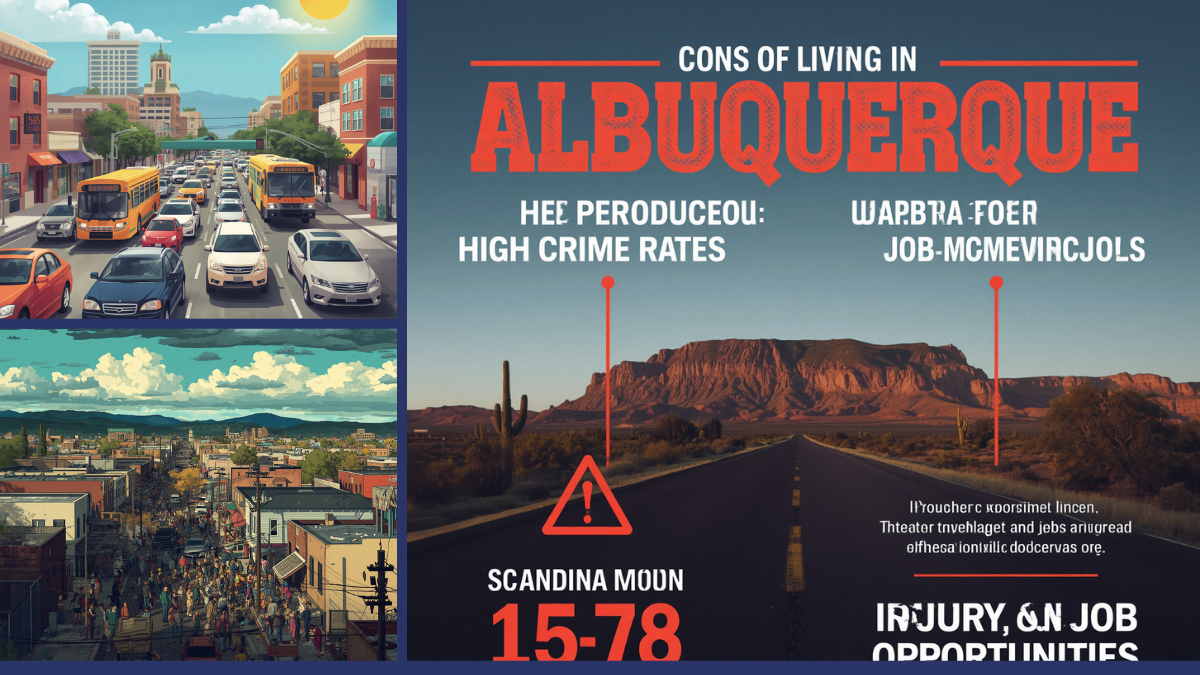
Albuquerque's main downsides include higher-than-average crime rates, a limited and government-heavy job market, car-dependent sprawl, extreme weather conditions, and public school challenges that can narrow your buyer pool.
Why This Matters Right Now in Albuquerque
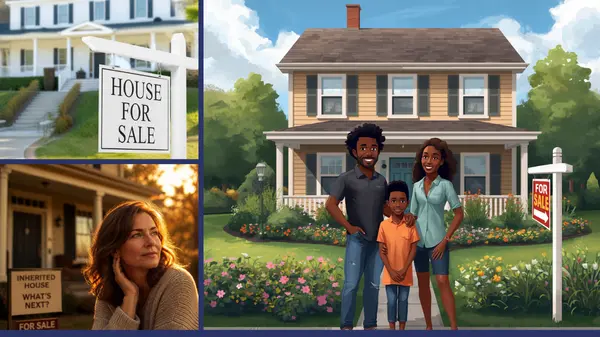
If you have recently inherited a property in Albuquerque or you are weighing whether to hold, rent, or sell, understanding the city's real drawbacks is not optional. It is essential to setting realistic expectations.
We work with families navigating probate and inherited-property sales across the Albuquerque metro every year, and the questions we hear most often come from out-of-state heirs who remember the city differently than it is today. With 12 years of experience and over 250 closed transactions, we have seen firsthand how Albuquerque's challenges shape buyer behavior, pricing, and days on market. The Greater Albuquerque Association of REALTORS (GAAR) publishes monthly market data through the Southwest Multiple Listing Service (SWMLS), and staying close to that data helps us advise sellers with honesty rather than wishful thinking. The drawbacks we are about to walk through are not meant to scare you. They are meant to help you make an informed decision about your next step.
Crime Rates and Public Safety Concerns in Albuquerque
This is the drawback that comes up first in nearly every conversation we have with prospective buyers and relocating families. Albuquerque has carried a well-documented reputation for elevated property crime and violent crime rates relative to national averages, and that reputation directly affects how quickly inherited homes sell and at what price.
How Crime Perception Affects Your Property
You do not need to live in Albuquerque to feel the impact. If you are an out-of-state heir trying to sell a home near the International District or parts of the South Valley, the buyer pool for your property will look different than it would in the Northeast Heights or the foothills near the Sandia Mountains. Crime geography matters. Buyers researching Albuquerque online will encounter crime statistics early in their search, and that shapes their willingness to make competitive offers.
What we tell our clients is this: crime concerns do not make a property unsellable, but they do mean you need a pricing strategy grounded in honest local data rather than assumptions. Some neighborhoods carry a heavier stigma than the actual incident data warrants, while others have legitimate safety challenges that affect insurance costs and buyer confidence. Working with someone who understands Albuquerque's neighborhood-by-neighborhood dynamics, rather than relying on broad city-level statistics, can mean the difference between a property that sits and one that sells efficiently.
So what does this actually mean if you are trying to move an inherited home? It means preparation and disclosure matter enormously in this market.
Albuquerque's Limited and Government-Dependent Job Market
The second major drawback you need to understand is Albuquerque's employment landscape. The metro area's economy leans heavily on government, healthcare, education, and the military, with Kirtland Air Force Base and Sandia National Laboratories serving as two of the region's largest employers.
What a Thin Private Sector Means for Your Sale
A comparatively thin private-sector technology and corporate employer base means fewer high-income relocating buyers entering the market compared to faster-growing Sun Belt metros. In this market, we consistently see that buyer demand tends to reflect the local employment base — government, healthcare, education, and the military — rather than large waves of corporate relocations.
For you as a probate or inherited-property seller, this has a very practical implication: pricing your property competitively from day one is critical. Albuquerque's market rewards well-priced homes but is less forgiving of overpricing, because the buyer pool simply is not deep enough to absorb aspirational listing prices. As regional affordability dynamics continue to shape recovery patterns across markets like Albuquerque, understanding your neighborhood's market position becomes essential to setting the right price.
Have you been told the house "should sell for more" based on what homes fetch in other cities? That is the mistake we watch sellers make here most often.
Why Albuquerque's Sprawl Requires a Car for Everything
Albuquerque stretches across the Rio Grande valley and along the I-25 and I-40 corridors in a way that makes car ownership essentially mandatory. Public transit options exist, including the ABQ Ride bus system and the Rail Runner commuter train that connects to Santa Fe, but their reach and frequency are limited relative to what you would find in denser metro areas.
The Daily Reality of Getting Around
If you are coming from a walkable city or one with robust transit, this adjustment is significant. Running errands, commuting to work, and even accessing healthcare or dining often means driving. From our office in the Northeast Heights, near the 4800 block of Juan Tabo Boulevard NE, you can see this firsthand: even well-established neighborhoods with good amenities require a vehicle for most daily tasks.
Why does this matter for your inherited property? Buyers relocating from transit-rich cities like Chicago, Portland, or the Bay Area may discount properties that require vehicle ownership for every trip. This is particularly true for older buyers or retirees who may be concerned about long-term driving ability. If the inherited home you are selling is located far from grocery stores, medical facilities, or the limited transit corridors, that isolation can add days to your time on market.
We have found that acknowledging this reality upfront in listing descriptions, rather than ignoring it, actually builds buyer trust and attracts serious offers from people who understand and accept Albuquerque's layout.
Extreme Weather and Environmental Conditions in Albuquerque
Albuquerque sits at roughly 5,300 feet in elevation, and that comes with a specific set of environmental realities you should factor into your property decisions. The high desert climate means intense UV exposure, very low humidity, and significant temperature swings between seasons and even between day and night.
Drought, Dust, and Wildfire Smoke
New Mexico's ongoing drought cycles and proximity to forested mountain ranges mean Albuquerque periodically experiences poor air quality days driven by wildfire smoke. Dust storms, sometimes called haboobs, can sweep through the valley, and the arid conditions accelerate wear on exterior paint, roofing materials, and landscaping.
For inherited properties that may have sat vacant during probate proceedings, this is especially important. A home that has gone unmaintained through one or two Albuquerque summers may need roof repairs, stucco patching, or xeriscaping work before it is market-ready. These are not cosmetic concerns; they are functional issues that home inspectors will flag and buyers will use as negotiating leverage.
What does this translate to in real dollars? Deferred maintenance in Albuquerque's climate can be significant, given the UV exposure, low humidity, and temperature swings, which is something we always discuss with inherited-property sellers early in the process.
Albuquerque's School Quality Challenges and Your Buyer Pool
New Mexico has consistently ranked near the bottom of national K-12 education rankings, and this is a factor that weighs directly on the marketability of inherited homes in family-oriented Albuquerque neighborhoods.
How School Perception Narrows Demand
If the property you have inherited is in a neighborhood where families with school-age children would be the natural buyer demographic, school quality concerns can reduce your pool of interested parties. Families who prioritize public school systems may choose markets with stronger reputations, even if Albuquerque offers significantly more house for the money.
That said, we always remind sellers that Albuquerque does have pockets of stronger schools and that charter school and private school options exist. The picture is not uniformly negative. But at the metro level, the perception is a headwind you should be aware of when setting pricing expectations.
Rated 5 out of 5 stars by our past clients across 20 reviews, we pride ourselves on giving sellers honest context rather than telling them what they want to hear. One of those reviewers put it well: "Jennifer and Vinay were wonderful in helping us sell our home and find our forever home. We could not be happier with the service and knowledge they provided."
Affordability Is a Double-Edged Sword in Albuquerque
You may have heard that Albuquerque is an affordable place to live, and compared to many Sun Belt metros, it is. But that relative affordability is associated with slower wage growth, a limited high-income employer base, and population growth that trails faster-growing Southwestern cities, among other factors.
What This Means for Inherited Property Values
For probate sellers, this means you should not expect Albuquerque property values to behave like those in Phoenix or Boise. The market is more sensitive to overpricing than faster-growing metros, and pricing discipline matters more here as a result. GAAR tracks monthly market data through the SWMLS, with reports published regularly and available through market analytics platforms. Staying current with this data is how we help inherited-property sellers avoid the costly mistake of listing too high and chasing the market down.
The bottom line is that Albuquerque's affordability can work for you if your expectations are calibrated to the local market rather than national headlines. Being recognized in the top 5% of agents in 2023 and 2024, we have navigated enough of these conversations to know that realistic pricing paired with strong marketing consistently outperforms optimistic pricing paired with hope.
Frequently Asked Questions About Albuquerque's Drawbacks
Is Albuquerque's crime rate really that much higher than other cities?
Yes, Albuquerque has maintained property and violent crime rates above national averages for several years, and this is well documented by federal crime reporting data. However, crime is not evenly distributed. Some neighborhoods in the Northeast Heights and foothills areas have significantly lower incident rates than the city average, while other parts of the metro see higher concentrations. Understanding your specific neighborhood's profile is essential when pricing an inherited home.
Can you live in Albuquerque without a car?
In most practical scenarios, no. While ABQ Ride buses and the Rail Runner commuter train exist, coverage and frequency are limited. Most residents rely on personal vehicles for commuting, shopping, healthcare, and recreation. This is a structural characteristic of the city's development pattern along the I-25 and I-40 corridors.
How does Albuquerque's job market affect home values?
A government-heavy, private-sector-thin employment base means fewer high-income relocating buyers enter the market compared to metros with major corporate headquarters. Combined with slower population growth, this is a factor that can affect how aggressively you can price an inherited home.
Does wildfire smoke really affect Albuquerque?
Yes. New Mexico's drought cycles and proximity to forested mountains, including the Sandias and Jemez range, mean Albuquerque periodically experiences poor air quality days during wildfire season. For buyers with respiratory conditions, this can be a dealbreaker.
Are Albuquerque's public schools a concern for buyers?
New Mexico ranks near the bottom of national K-12 education rankings in most assessments, and this can reduce the buyer pool for homes in family-oriented neighborhoods. Charter and private school options exist but add cost, which some families factor into their relocation math.
How does Albuquerque's climate affect property maintenance?
High elevation, intense UV, low humidity, and temperature swings accelerate wear on roofing, stucco, exterior paint, and landscaping. Inherited properties that have been vacant during probate may need deferred maintenance addressed before listing, and these costs can be higher than sellers from more temperate climates expect.
Is it hard to sell an inherited home in Albuquerque?
Not necessarily, but it requires realistic pricing and preparation. Albuquerque's buyer pool is steady but not as deep as faster-growing metros, so overpricing an inherited home can lead to extended days on market. Working with a local team that understands neighborhood-level dynamics makes a significant difference.
What Albuquerque neighborhoods have fewer drawbacks?
Areas like the Northeast Heights, the Sandia foothills, and parts of the North Valley generally experience lower crime rates and have proximity to outdoor recreation, dining, and medical facilities. However, every neighborhood has trade-offs, and a local agent can help you understand what applies to your specific property.
Does Albuquerque's sprawl affect property values in certain areas?
Yes. Properties located far from employment centers, grocery stores, or the limited transit corridors can see reduced buyer interest compared to homes in more centrally located or amenity-rich neighborhoods.
Should I sell my inherited Albuquerque property or keep it as a rental?
This depends on your financial situation, the property's condition, and your willingness to manage a rental from out of state. Given Albuquerque's challenges, including the drawbacks discussed here, many probate sellers find that a well-priced sale provides a cleaner resolution than managing a rental in a market they may not understand intimately. Information for buyers and sellers can help you weigh both options.
The Bottom Line on Albuquerque's Drawbacks
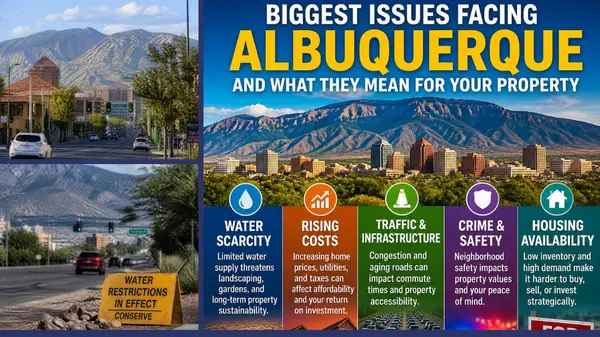
Every city has its challenges, and Albuquerque is no exception. Higher-than-average crime rates, a limited and government-dependent job market, a sprawling layout that demands car ownership, extreme environmental conditions, and school quality concerns are all real factors that affect livability and, by extension, your property's marketability.
If you have inherited a home in Albuquerque and you are trying to decide what comes next, understanding these drawbacks is not pessimism. It is preparation. We are Jenn and Vinay Rodgers with The Rodgers Neighborhood Real Estate Group, and with 12 years of experience, over 250 transactions, and a perfect 5-star rating across our client reviews, we specialize in giving Albuquerque sellers the honest, data-driven guidance they need to make confident decisions. Whether you are selling from across the state or across the country, we are here to help you navigate this market with clarity. Reach us at 505-417-2733 or contact us at our Northeast Heights office to start the conversation.
Categories
- All Blogs (346)
- 2026 & Beyond for Real Estate (241)
- Doctors and Nurses looking for homes in NM (4)
- Guide to buying a home in NM (155)
- Health Care Heros (7)
- Home Upgrades (40)
- Jenn & Vinay your Local Real Estate Experts! (119)
- Moving to Albuquerque (134)
- Neighborhoods in Albuquerque NM (92)
- Rent or Own (2)
- Sellers Questions for Selling homes (2)
Recent Posts


GET MORE INFORMATION