

The Truth About New Mexican Cuisine Explained
"NOTHING BURNS OUR BURRITOS like hearing people — including otherwise knowledgeable foodies — refer to New Mexico's cuisine as 'Tex-Mex' or 'Mexican.' The confusion is understandable to a point. Yes, we share staples — chiles, posole, tortillas, and beans, for instance — but our only-in-New-Mexico spin is a centuries-old distillation of Native foraging and cultivation, Spanish colonial" culinary tradition, and Rio Grande valley agriculture that produced something genuinely distinct from both its neighbors, confirmed New Mexico Magazine's definitive explanation of New Mexican cuisine (updated June 2026). This is the authoritative framing, and this guide expands on every specific truth the confusion obscures.
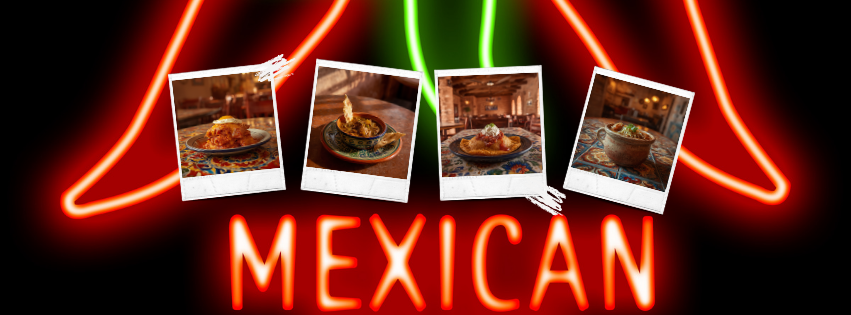
Truth 1 — New Mexican Cuisine Is Not Mexican Food, Not Tex-Mex, and Not "Southwestern"
The most important single truth about New Mexican cuisine is that it is categorically distinct from the cuisines it most frequently gets confused with:
- It is not Mexican food: Mexico gained independence in 1821. New Mexican cuisine was already fully formed by the mid-1600s, in the Spanish colonial settlements along the Rio Grande. The cuisine's foundations were established under Spanish colonial rule, in a territory that would not become part of Mexico until 1821 and not become part of the United States until 1912. New Mexican cuisine predates both countries.
- It is not Tex-Mex: Tex-Mex is the fusion of northern Mexican culinary traditions with Texas cattle and ranch culture — characterized by yellow cheese, ground beef, hard-shelled tacos, heavy cumin, and the specific flour-tortilla-and-beef combinations of San Antonio and Dallas. New Mexican cuisine does not use yellow cheese (it uses white melting cheese like asadero or Monterey Jack), does not center ground beef, does not use hard shells, and specifically does not build its flavor on cumin in the chile sauces.
- It is not "Southwestern": "Southwestern cuisine" is a marketing term applied variously to Arizona-influenced, Colorado-influenced, and generic desert-themed food. New Mexican cuisine is a specific tradition with documented lineage — not a regional marketing category. Walking into a restaurant that says "Southwestern cuisine" tells you nothing about whether New Mexican food will be served.
The legal protection of the cuisine's core ingredient — the chile — reflects its status as a specifically New Mexican tradition. As New Mexico Magazine puts it: "Like France does for its wine grapes and cheeses, 'we pass legislation protecting our chiles.'" New Mexico has legally designated the New Mexico chile as the official state vegetable and maintains active agricultural programs to protect the specific cultivars that define the cuisine. This is the seriousness with which the state regards the ingredient that defines its food.
Truth 2 — The Cuisine Has Three Distinct Cultural Origins
"New Mexican cuisine is the regional cuisine of the Southwestern US state of New Mexico. It is known for its fusion of Pueblo Native American cuisine with Hispano Spanish and Mexican culinary traditions, rooted in the historical region of Nuevo México," confirmed Wikipedia's New Mexican cuisine article (updated April 2026). These three origins are not equally represented in the popular understanding — which focuses on the Spanish colonial and Mexican influences while underweighting the Pueblo agricultural foundation that makes the cuisine possible.
Origin 1 — Pueblo Native American Agriculture: The Foundation
The Pueblo peoples of the Rio Grande valley had been cultivating the ingredients that define New Mexican cuisine for centuries before the Spanish arrived in 1598. Corn — including the blue corn varieties unique to the region — beans (pinto, bolita, Anasazi), squash (including the calabacitas zucchini preparation), chiles (the indigenous red chile varieties that predate Hatch Valley cultivation), and the techniques of nixtamalization (the alkaline processing of corn that produces masa) are all Pueblo contributions.
The micaceous clay pot — still used by some pueblo cooks for beans and stews — imparts a specific mineral quality to slow-cooked dishes that no metal cookware replicates. The piki bread (a paper-thin blue corn bread made on a flat stone) that exists at pueblos is one of the oldest continuously prepared foods in the American Southwest.
The chile itself, while cultivated and transported across the Americas long before European contact, was domesticated and integrated into the Pueblo diet in the Rio Grande region specifically. The Pueblo relationship to chile is not ornamental — it is agricultural, medicinal, and ceremonial. The chile is planted with specific prayers, harvested with specific rituals, and distributed with specific community sharing practices that predate the Spanish presence by centuries.
Origin 2 — Spanish Colonial Settlement: The Structure
When Don Juan de Oñate led the first Spanish colonial settlement of New Mexico in 1598, the colonists brought the ingredients and techniques that would give the cuisine its structural elements: wheat flour (producing the flour tortilla that is now more common in New Mexican cooking than the corn tortilla), pork and lard (the cooking fat that gives the biscochito its texture and the posole its flavor), cattle (beef), sheep (lamb and mutton, still present in some traditional preparations), and dairy (the white melting cheeses that appear in enchiladas and rellenos).
The Spanish colonial influence is also responsible for the sopapilla — a fried pastry that has indigenous frybread antecedents but that the Spanish refined into the hollow, pillow-shaped form served with honey that New Mexicans eat today. The anise in the biscochito comes from the Spanish spice trade. The capirotada (bread pudding) is a Lenten dessert that came directly from Spanish colonial religious observance.
The colonists also brought the adobe building technique that produced the distinctive architecture of the pueblos and colonial settlements along the Rio Grande — the same architecture that frames the dining rooms of New Mexican restaurants that visitors find the most atmospheric. The food and the physical environment of New Mexican cuisine share the same cultural origin.
Origin 3 — Hatch Valley and the Modern Chile
The specific green chile that defines 2026 New Mexican food is not the same chile that Pueblo people grew in the 16th century. The Hatch Valley green chile — the mirasol cultivar that New Mexico State University's Roy Nakayama developed into the Big Jim variety in 1975 and the NM 6-4 variety that preceded it — is the specific agricultural product that produced the modern New Mexican green chile experience.
The Hatch Valley in southern New Mexico provides the specific combination of volcanic soil, high altitude (4,000 feet), low humidity, and the temperature differential between hot days and cool nights that concentrates the capsaicin and sugar in the pods. The same green chile seed grown in California or Arizona does not produce the same flavor. The terroir of the Hatch Valley is the specific agricultural reason that authentic New Mexican cuisine cannot be replicated outside New Mexico — the ingredient cannot be grown identically anywhere else.
Truth 3 — Red and Green Are Not Interchangeable; They Are Different Ingredients
The most common confusion among people encountering New Mexican food for the first time is the assumption that red and green chile are the same ingredient at different ripeness stages, or different heat levels of the same sauce. Neither is accurate.
- Green chile: The fresh-roasted Hatch green chile. Bright, immediate heat. Vegetal quality underneath — a fresh-pepper flavor that is fruity and slightly sweet when mild and sharpens to a bright, front-of-mouth burn when hot. The heat is immediate. The flavor is green pepper with fire inside it.
- Red chile: Dried and ground or rehydrated red chile pods. Earthier, deeper, more complex flavor. The heat builds slowly rather than hitting immediately. Red chile's flavor is closer to dark dried fruit and earth than to fresh pepper. The color and flavor come from the drying and concentrating process that transforms a fresh pod into a dried chile and then into a sauce.
- They are different ingredients: Green chile is a fresh (or fresh-frozen) ingredient; red chile is a dried and processed ingredient. The same pepper, allowed to ripen and dry, produces red chile — but the flavor transformation is so complete that they are practically distinct culinary materials. Substituting one for the other in a recipe is not like substituting medium heat salsa for mild — it is like substituting a red wine braise for a fresh herb sauce.
What makes each one New Mexican specifically:
- Green chile stew: The definitive green chile application. Slow-simmered pork, roasted green chile, potato, onion, garlic. The green chile is not a flavoring — it is the primary ingredient. The stew's character is entirely a product of the green chile's flavor and heat.
- Red chile enchiladas: The definitive red chile application. The red chile sauce is not a topping — it is what the dish is cooked in and smothered with. The earthiness of the dried red chile, reduced to a sauce with dried garlic, oregano, and sometimes stock, is the flavor that defines New Mexico in the way that mole defines Oaxaca.
- Carne adovada: Pork marinated for hours in red chile sauce, then slow-cooked until the meat falls apart. The red chile penetrates the meat rather than coating it. This is the dish that most specifically demonstrates what red chile is capable of when it has time.
Truth 4 — The Answer to "Red or Green?" Is One of the Most Specific Culinary Questions in the World
"Red or green?" — or in the shorthand, "red or green chile?" — is the official New Mexico state question, designated by the state legislature in 1996. Every New Mexican restaurant server asks this question for every dish that comes with chile. It is not a menu decision; it is a cultural institution.
The correct answer for any visitor or new resident who has not yet calibrated their preferences:
- Christmas: Both red and green on the same plate. This answer is always available and never requires justification. It was given its festive name by an Albuquerque waitress in the 1950s and has been a legitimate and loved answer ever since. Christmas lets you taste both chiles simultaneously, understand the difference experientially, and decide which one you will order exclusively next time.
- Ask which is hotter today: Green chile heat varies significantly by harvest, season, and weather. The same restaurant's green chile can range from mild in spring to genuinely punishing in September at the peak of the Hatch harvest. This is not inconsistency — it is agriculture. The server knows which is hotter on any given day. Ask. They will tell you.
- The long-term answer: After enough meals, every New Mexico resident develops a preference. The red chile person finds the earthiness and the slow build of red more satisfying. The green chile person finds the brightness and the immediate vegetable heat of green more alive. Neither is wrong. The preference is yours to develop.
Truth 5 — The Enchilada Is Stacked Here, Not Rolled
In Mexican cuisine, the enchilada is a tortilla that is rolled around a filling — meat, cheese, or beans — then placed in a baking dish and covered with sauce. This is how the enchilada exists in virtually every Mexican region and in Mexican-American restaurants across the United States.
In New Mexican cuisine, the enchilada is stacked. Three corn tortillas, flat, layered on top of each other with cheese and occasionally meat between each layer, smothered entirely in red or green chile sauce, topped with a fried egg if it is a "montada" — the egg yolk breaking into the sauce as the first bite is taken. This is a different dish from the rolled enchilada. The stacked format creates more surface area for the chile to penetrate, produces a different texture, and delivers more sauce per bite than the rolled alternative.
The "montada" (literally "mounted") — the stacked enchilada with a fried egg on top — is the most specifically traditional New Mexican preparation. The egg is not garnish; it is the dish's final component, and eating it requires breaking the yolk over the chile and the top tortilla before working through the layers.
Truth 6 — Cumin Is Not the Flavor of New Mexican Chile Sauce
One of the most reliable indicators of inauthentic New Mexican food — or food that has been influenced by Tex-Mex rather than the New Mexican tradition — is the presence of cumin in the red or green chile sauce. Cumin is the quintessential flavor of Tex-Mex, of chain Mexican restaurant food, and of most American assumptions about what "Mexican-style" food tastes like.
In traditional New Mexican red and green chile sauces, cumin is absent or present only in the smallest quantities. The flavor of authentic red or green chile sauce is the chile itself — the earthiness of dried red chile or the fresh vegetal brightness of green chile, supported by garlic, sometimes oregano, sometimes onion, and sometimes stock. When you taste a properly made New Mexican red chile sauce and find it earthy, complex, slightly fruity, and specifically not the cumin-dominated flavor of what you may have been calling "Mexican food" your entire life — that difference is the absence of cumin. That absence is the truth of the cuisine.
Truth 7 — The Sopapilla Is Both a Dessert and an Entrée
The sopapilla — a hollow fried pastry puffed with steam — is one of the most specifically confusing New Mexican food items for visitors, because it appears in two entirely different contexts at the same meal.
- The entrée sopapilla: A hollow pastry shell stuffed with seasoned beef or chicken, beans, and cheese, then topped with chile sauce and sometimes sour cream. This is a main course, sized like a burrito, served on a plate with the same sides as any other New Mexican entrée. Sadie's stuffed sopapilla, Frontier's green chile sopapilla — these are the meals.
- The dessert sopapilla: Served in a basket at the end of most New Mexican meals — the same hollow fried pastry, but served plain with a bottle of dark honey. You tear the corner, squeeze honey inside, eat while warm. This is not a dessert in the American sense — it is the automatic closing ritual of the New Mexican dining experience. It arrives without being ordered. It is not on the dessert menu.
The sopapilla's relationship to the Native American frybread tradition is not coincidental. The Pueblo peoples' frybread — a leavened dough fried in oil, associated with communal gatherings and feast days — and the sopapilla are related preparations, both evolved from the experience of making bread with available fat in the desert Southwest. The honey served with the dessert sopapilla is the Spanish colonial addition — the Pueblo frybread tradition did not include honey as a standard accompaniment.
Truth 8 — Posole Here Is a Side Dish, Not a Main Course
Pozole in Mexico is a main dish — a substantial bowl of hominy and pork in chile broth, served with cabbage, radishes, lime, and oregano as condiments, as a full meal. It appears at celebrations, at holiday meals, and in pozole restaurants that serve it as the single centerpiece of the menu.
Posole in New Mexico is almost invariably a side dish. It arrives in a small bowl alongside the enchiladas and the beans, part of the combination plate rather than the meal itself. The New Mexican posole is the same basic preparation — nixtamalized dried corn (hominy), pork, and chile — but it functions as a complement rather than a centerpiece. "In New Mexico, it's almost a required side dish (instead of rice as in Mexico or Texas)" — the side dish status is the specific structural difference.
The posole's Pueblo antecedents are even older than the pozole tradition in central Mexico. The hominy preparation — corn treated with an alkaline solution to release its amino acids and improve its digestibility — is a Mesoamerican technique that New Mexican Pueblo people used centuries before contact with the central Mexican culinary tradition. The NM posole is arguably more Pueblo than Spanish in its cultural lineage.
Truth 9 — The Biscochito Is the Official New Mexico State Cookie
The biscochito — an anise-flavored lard-based shortbread in traditional star or fleur-de-lis shapes — was designated the official New Mexico state cookie by the state legislature in 1989. New Mexico is the only state in the United States to have an official state cookie.
This legal designation is not a quirk of state legislation — it reflects the specific role the biscochito plays in New Mexican culture. The biscochito is:
- The Christmas cookie: New Mexican families make biscochitos at Christmas in volumes that would supply a commercial bakery. The anise fragrance is the specific scent of New Mexican December.
- The wedding cookie: Biscochitos appear at New Mexican weddings as a non-negotiable element of the reception table.
- The feast day cookie: Pueblo feast days include biscochitos as standard hospitality food for visitors from outside the pueblo.
- The everyday cookie: Unlike other ceremonial or holiday cookies, biscochitos are available year-round at most New Mexican bakeries and are eaten daily by people who simply like them.
The specific biscochito flavor — anise, lard, cinnamon, and the texture that comes from lard (softer and more crumbly than butter, with a specific richness) — is Spanish colonial in origin. The biscocho (the Spanish anise cookie from which the biscochito is derived) came with the Spanish colonists and was adopted into New Mexican home cooking with the substitution of locally available lard for the olive oil or butter of the Iberian original.
Truth 10 — Blue Corn Is Not Just a Color; It Is a Different Flavor and Nutritional Profile
Blue corn — the Pueblo-cultivated corn varieties that produce the blue-black tortilla chips, blue corn pancakes, blue corn enchiladas, and blue corn atole that appear across New Mexican menus — is not simply yellow corn with a different pigment. It is a distinct heirloom variety with:
- Different flavor: Nuttier, earthier, and slightly sweeter than yellow corn. The flavor difference is perceptible in a side-by-side tortilla comparison — blue corn tortillas have a specific complexity that yellow corn does not.
- Different nutritional profile: Blue corn provides approximately 20% more protein than yellow or white corn, has a lower glycemic index, and contains higher concentrations of the amino acid lysine.
- Pueblo agricultural heritage: Blue corn is specifically a Pueblo crop — domesticated and cultivated in the Rio Grande valley for centuries. It is the corn of the Pueblo agricultural tradition and is connected to specific spiritual and cultural practices that predate the Spanish presence. Eating blue corn enchiladas at Pueblo Harvest Café is eating the specific agricultural heritage of the 19 Pueblos.
Truth 11 — The Statewide Regional Variation Is Significant
New Mexican cuisine is not uniform across the state, and the visitor or new resident who experiences the cuisine in one part of New Mexico should know that the same dishes may taste meaningfully different elsewhere:
- Northern New Mexico (Taos, Abiquiu, Española): The oldest continuous culinary tradition in the state. The Pueblo feast day food here is the most ancestrally connected version of the cuisine. Tamales, piki bread, and preparations using local heritage ingredients (bolita beans, traditional chile varieties, chicos) are more commonly found here than in Albuquerque.
- Albuquerque: The most diverse and most restaurant-dense expression of the cuisine. The James Beard-recognized kitchens, the neighborhood institutions, and the contemporary interpretations at places like Char coexist with the traditional South Valley and North Valley establishments. The most accessible version of the cuisine's full range.
- Southern New Mexico (Las Cruces, Hatch): The Hatch Valley is here. Green chile is specifically grown here. The southern style tends toward milder, more vegetable-forward preparations and more direct Mexican culinary influence from the Chihuahuan border region than the northern and central traditions.
- The village and pueblo feast day food: The food served on Pueblo feast days — free to the public at the pueblo's invitation — is a specific experience that no restaurant fully replicates. Posole in micaceous pots, chicos (dried corn), tamales made in traditional formats, and the community experience of cooking for hundreds of guests is the cuisine in its most original context.
For the restaurant guide that puts this culinary knowledge to practical use — which Albuquerque restaurants best represent each of the traditional dishes and traditions covered in this guide — our post on where to eat authentic New Mexican food in Albuquerque covers the kitchen-by-kitchen directory. And for the green chile lover's specific guide to which Albuquerque restaurants produce the best, hottest, and freshest green chile, our post on the best Albuquerque restaurants for green chile lovers covers the chile heat map in detail.
The Complete Guide to Ordering Correctly at a New Mexican Restaurant
- When the server asks "red or green?": Say "Christmas" if you are undecided. Ask which is hotter today if you have a heat preference.
- The combination plate: The standard entry point. An enchilada (stacked, not rolled), a chile relleno, and one other item — usually tamale, taco, or posole. Order it Christmas to try both chiles.
- The breakfast burrito: Order it smothered. The only version that matters at a traditional New Mexican breakfast counter is the fully smothered version — eggs, potato, meat, flour tortilla, buried in chile.
- The stuffed sopapilla: Order the green chile version for your first time — the brightness of the green cuts through the richness of the filling.
- When the dessert sopapilla basket arrives: Tear the corner, not the top. Squeeze honey inside — enough that you can taste it but not so much it drips out the bottom. Eat while hot.
- Regarding leftovers: The sopapilla does not travel. Everything else does. The green chile stew may be better the second day.
The Bottom Line — New Mexican Cuisine Is Earned Knowledge
Understanding New Mexican cuisine is not a single meal. It is a progression — from the first smothered burrito that surprises you with its earthiness, through the first green chile stew that burns pleasantly in ways you were not expecting, to the first September when the roasting drum aroma from the grocery store parking lot makes you realize you have arrived in the only place in the world that smells like this in September.
The misidentification of this cuisine — as Mexican, as Tex-Mex, as Southwestern — is understandable from the outside. From the inside, it is as specific an identity as French cuisine or Japanese cuisine. It has its own ingredients, grown in specific conditions that cannot be replicated. It has its own techniques, developed over four centuries of continuous practice in the Rio Grande valley. It has its own cultural lineages — Pueblo, Spanish colonial, and the specific Hatch Valley agricultural science of the 20th century — that converge in a single bowl of posole or a stacked red enchilada montada.
The truth about New Mexican cuisine is that it is not like anything else. That is not a marketing claim. It is an agricultural and historical fact that four centuries of cooking in the same place with the same ingredients, by the descendants of the people who first cooked there, has produced.
Want to Live Where This Cuisine Is Part of Your Daily Life?
Jenn & Vinay from The Rodgers Neighborhood Real Estate Group know which Albuquerque neighborhoods put the best New Mexican restaurants on the regular lunch rotation, which give you a South Valley address within walking distance of the most traditional kitchens in the city, and which give you a North Valley home on the way to Campo and Farm & Table. The food culture is one of the most consistently cited reasons people who move to Albuquerque decide to stay. If the cuisine is part of what is drawing you here, the conversation about finding the right home starts with a call.
Jenn & Vinay Rodgers are Albuquerque's trusted real estate professionals with The Rodgers Neighborhood Real Estate Group, brokered by Real Broker, LLC, serving buyers and sellers across Albuquerque, Rio Rancho, Corrales, Los Lunas, Tijeras, Cedar Crest, Sandia Park, the East Mountains, Bernalillo County, Sandoval County, and surrounding New Mexico communities.
The Rodgers Neighborhood Real Estate Group
Jenn & Vinay Rodgers
Real Broker, LLC
Albuquerque, NM
📞 505-417-2733
🏠 Find a home where this cuisine is part of your daily lifeCategories
- All Blogs (362)
- 2026 & Beyond for Real Estate (256)
- Doctors and Nurses looking for homes in NM (4)
- Guide to buying a home in NM (160)
- Health Care Heros (7)
- Home Upgrades (42)
- Jenn & Vinay your Local Real Estate Experts! (124)
- Moving to Albuquerque (139)
- Neighborhoods in Albuquerque NM (94)
- Rent or Own (2)
- Sellers Questions for Selling homes (2)
Recent Posts







GET MORE INFORMATION