
Moving to Rio Rancho NM: Cost of Living and What to Expect in 2026
What does it actually cost to live in Rio Rancho, New Mexico, and is it the right move for you in 2026?
Rio Rancho's overall cost of living runs 5% to 8% lower than the national average, with a median home price around $360,000 and monthly expenses that give you real breathing room compared to most U.S. metros.
Why Rio Rancho Matters for Albuquerque Metro Homeowners Right Now
If you are feeling squeezed by rising costs, falling behind on payments, or just trying to figure out your next chapter, Rio Rancho deserves your serious attention. As the third-largest city in New Mexico with a population topping 104,000, this is not some far-flung suburb. It is a fully functioning city with its own government, police department, and school districts, all sitting within the greater Albuquerque metro area.
Here is the reality we see every day working with homeowners across this market: Albuquerque's median home price reached $385,000 in August 2026, a 3.5% year-over-year gain. Meanwhile, Rio Rancho's median sits around $360,000 with lower utility costs, lower grocery bills, and lower transportation expenses. For homeowners under financial pressure, that gap can mean the difference between staying stuck and starting fresh. With 12 years of experience and over 250 transactions closed across the Albuquerque metro, we have helped countless families navigate exactly this kind of decision.
Rio Rancho Cost of Living Breakdown: Where Your Money Goes
So what does daily life in Rio Rancho actually cost? Let us walk through the numbers category by category, because the savings add up faster than most people expect.
Housing costs in Rio Rancho run 8% lower than the national average. For a single person, housing expenses average around $916 per month. For a family of four, that figure is approximately $1,679 per month. The median household income in Rio Rancho is $89,596, which means housing remains within reach for most working families.
Utilities are where Rio Rancho really shines. Basic utilities, including electricity, heating, cooling, water, and garbage, average about $168 per month. That is 16% below the national average. If you are coming from a market where your electric bill alone hits $200 in summer, you will feel that difference immediately.
Groceries come in about 3% cheaper than average. Food expenses run approximately $386 monthly for an individual and $1,253 for a family. A dozen eggs costs around $4.82, a bottle of milk about $4.61, and a pound of potatoes circles around $5.00.
Transportation expenses, including bus fares and gas prices, run 6% lower than the national average.
What does all of that add up to? Rio Rancho's total monthly cost of living is roughly $2,357 for a single person and $5,190 for a family of four. When we share these numbers with clients relocating from higher-cost states like California, Colorado, or Texas, the reaction is almost always the same: genuine surprise at how much further their dollars stretch here.
How Rio Rancho Compares to Albuquerque Neighborhoods in 2026
You might be wondering whether you should look within Albuquerque proper or make the jump to Rio Rancho. The answer depends on your budget, your lifestyle priorities, and how much financial breathing room you need right now.
In Albuquerque, neighborhood prices vary dramatically. Nob Hill, the artsy corridor along Central Avenue near UNM, sees homes listing between $310,000 and $430,000. You get walkability, Route 66 charm, and spots like Tractor Brewing Company and Il Vicino right outside your door, but you pay for it. The North Valley, with its rural character along Rio Grande Blvd and Montaño Rd NW, carries a median price around $450,000 to $488,000.
Meanwhile, Southeast Albuquerque remains one of the most affordable areas in the city, with prices ranging from the mid-$200,000s to low-$300,000s. And ZIP code 87102 covering downtown has the lowest median home value at $241,332.
Rio Rancho lands right in the middle at that $360,000 median, but the cost of living advantage compounds when you factor in the 16% utility savings and lower daily expenses. For a homeowner who needs to sell a property in Albuquerque and reset in a more affordable situation, Rio Rancho gives you newer construction, more square footage per dollar, and lower monthly overhead. That is why we consistently recommend it to clients navigating financial transitions.
What Distressed Homeowners in Albuquerque Should Know Before Relocating to Rio Rancho
If you are behind on your mortgage, facing foreclosure, or simply feeling the weight of payments you can no longer comfortably manage, you have more options than you might think, especially in this market.
Here is the critical context: Albuquerque's median sale price hit an all-time high of $393,000 in June 2026. If you purchased your home before 2022, there is a strong chance you are sitting on meaningful equity, even if your financial situation feels dire. That equity can be the bridge to a fresh start.
What we tell our clients in this situation is to act before options narrow. The paths available to you include:
- Selling at market value and using the proceeds to buy or rent in Rio Rancho at a lower price point
- Loan modification through your lender to restructure payment terms
- Refinancing if your credit supports it
- Connecting with the New Mexico Mortgage Finance Authority (MFA), which offers foreclosure prevention counseling and homeowner support programs
- Reaching out to HUD-approved housing counseling agencies for free, confidential guidance
The current Albuquerque market is operating at two distinct speeds. Well-priced, well-presented homes in desirable areas can sell in under two weeks with multiple offers. Overpriced or dated properties may sit for 60 to 90 days or longer. With 47.3% of active listings showing price reductions, pricing strategy is everything. This is exactly where having a team with deep market experience makes the difference between leaving money on the table and walking away with options.
What It Actually Feels Like to Live in Rio Rancho, New Mexico
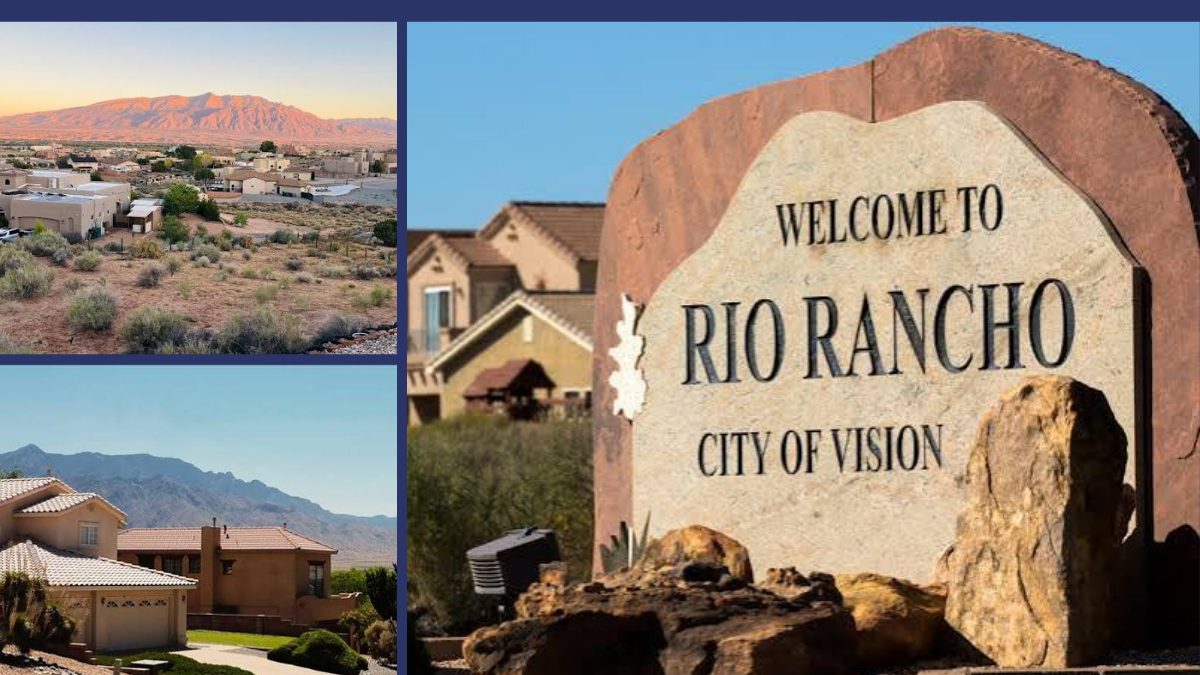
Numbers matter, but so does what your daily life looks and feels like. Rio Rancho sits flanked by stunning mesas and sweeping desert mountains, and it has earned recognition as one of the best places to live and retire in the country.
Your morning might start with a hike right outside your door. Your commute into Albuquerque for work, whether to the UNM campus area, Kirtland Air Force Base, or Sandia National Laboratories, stays manageable. Your kids attend schools in Rio Rancho's independent school district, not Albuquerque Public Schools. Your grocery run costs less. Your electric bill costs less. Your property taxes stay reasonable.
And you are not isolated. You are part of the greater Albuquerque metro, which means you still have access to Nob Hill's Route 66 energy, the Paseo del Bosque Trail along the Rio Grande, the Albuquerque International Balloon Fiesta, and all the culture and dining the city offers. You just come home to a place where your monthly expenses do not keep you up at night.
As one past client shared: "Jennifer and Vinay were wonderful in helping us sell our home and find our forever home. We could not be happier with the service and knowledge they provided."
Renting vs. Buying in Rio Rancho: Which Makes Sense in 2026
If you are selling a distressed property in Albuquerque, you may need a temporary landing spot while you stabilize. Here is how the rental math works in Rio Rancho.
The average monthly rent in Rio Rancho is $1,590. A one-bedroom apartment in the city center averages $1,459, while the same apartment outside the center drops to $1,139. Three-bedroom apartments average $2,000 in the center and $1,646 in suburban areas.
Compare that to buying: a mortgage on a median-priced Rio Rancho home with 20% down at current rates around 6.7% puts your principal and interest payment near $1,900, before taxes and insurance. For some homeowners coming out of a difficult financial chapter, renting for 12 to 18 months while rebuilding credit and savings is the smarter play. For others with enough equity from their Albuquerque sale, buying immediately in Rio Rancho locks in today's price in a market projected to appreciate 2% to 4% annually.
There is no one-size-fits-all answer here, which is exactly why we walk every client through both scenarios with real numbers specific to their situation.
Frequently Asked Questions About Moving to Rio Rancho NM in 2026
How much lower is Rio Rancho's cost of living compared to the national average?
Rio Rancho's overall cost of living is 5% to 8% lower than the U.S. national average. Housing runs 8% below average, utilities are 16% cheaper, groceries come in about 3% lower, and transportation costs are 6% below the national average. These savings compound month after month, giving you significantly more financial breathing room.
What is the median home price in Rio Rancho in 2026?
The median home price in Rio Rancho is approximately $360,000. That is lower than Albuquerque's overall median of $385,000 and substantially below higher-priced Albuquerque neighborhoods like the North Valley, where medians reach $450,000 to $488,000.
How much are utilities in Rio Rancho, New Mexico?
Basic utilities in Rio Rancho, including electricity, heating, cooling, water, and garbage for an average apartment, cost approximately $168 per month. Energy bills specifically average around $167.22 monthly. This is 16% below the national average and one of Rio Rancho's biggest cost-of-living advantages.
What is the average rent in Rio Rancho?
The average monthly rent in Rio Rancho is $1,590. One-bedroom apartments in the city center average $1,459, while suburban one-bedrooms drop to $1,139. Three-bedroom apartments range from $1,646 in suburban areas to $2,000 in the center.
Is Rio Rancho a good option for distressed homeowners leaving Albuquerque?
Yes. With Albuquerque's median sale price at an all-time high of $393,000 as of June 2026, many homeowners have meaningful equity they can use to transition into Rio Rancho's more affordable market. The lower monthly costs in Rio Rancho provide financial stability during a reset period.
What resources are available for homeowners facing foreclosure in New Mexico?
The New Mexico Mortgage Finance Authority (MFA) offers foreclosure prevention counseling and support programs. HUD-approved housing counseling agencies provide free guidance. New Mexico Legal Aid offers legal assistance for low-income homeowners. The federal Homeowner Assistance Fund also provides support through state-administered programs.
How far is Rio Rancho from Albuquerque job centers?
Rio Rancho is part of the greater Albuquerque metro area. Commutes to major employment centers like UNM, Kirtland Air Force Base, and Sandia National Laboratories are manageable depending on your specific location within Rio Rancho. The city maintains its own infrastructure while remaining closely connected to Albuquerque.
What is the median household income in Rio Rancho?
The median household income in Rio Rancho is $89,596. This income level, combined with the city's below-average cost of living, creates a favorable affordability ratio that allows residents to maintain a comfortable standard of living.
Is Rio Rancho's housing market expected to crash in 2026?
A housing market crash in New Mexico remains unlikely in 2026. The state does not show widespread overbuilding or high-risk lending conditions. Inventory remains relatively tight, and buyer demand persists despite higher borrowing costs. The more probable outcome is gradual price stabilization with moderate 2% to 4% annual appreciation.
Should you rent or buy when first moving to Rio Rancho?
It depends on your financial situation. If you are coming out of a distressed sale and need time to rebuild credit, renting at $1,139 to $1,590 per month while saving for a down payment makes sense. If you have adequate equity from a previous home sale, buying now lets you lock in today's prices in a market with sustained demand and limited inventory.
The Bottom Line on Moving to Rio Rancho from Albuquerque in 2026
You have options, and they may be better than you think. With Rio Rancho's cost of living running 5% to 8% below the national average and Albuquerque home values at record highs, this is a moment where selling in one market and resettling in Rio Rancho can genuinely change your financial trajectory.
We are Jenn and Vinay Rodgers with The Rodgers Neighborhood Real Estate Group, and we specialize in helping homeowners across the Albuquerque and Rio Rancho markets navigate exactly these transitions. With 12 years of experience, over 250 closed transactions, and a track record recognized in the top 5% for 2023 and 2024, we bring the data, the negotiation skills, and the personal attention to make your next move your best one. Contact us at 505-417-2733 or visit us at 4800 Juan Tabo Blvd NE Ste D, Albuquerque, NM 87111. Let us help you find your path forward.
Categories
- All Blogs (314)
- 2026 & Beyond for Real Estate (210)
- Doctors and Nurses looking for homes in NM (4)
- Guide to buying a home in NM (145)
- Health Care Heros (7)
- Home Upgrades (36)
- Jenn & Vinay your Local Real Estate Experts! (105)
- Moving to Albuquerque (124)
- Neighborhoods in Albuquerque NM (83)
- Rent or Own (2)
- Sellers Questions for Selling homes (2)
Recent Posts







GET MORE INFORMATION